
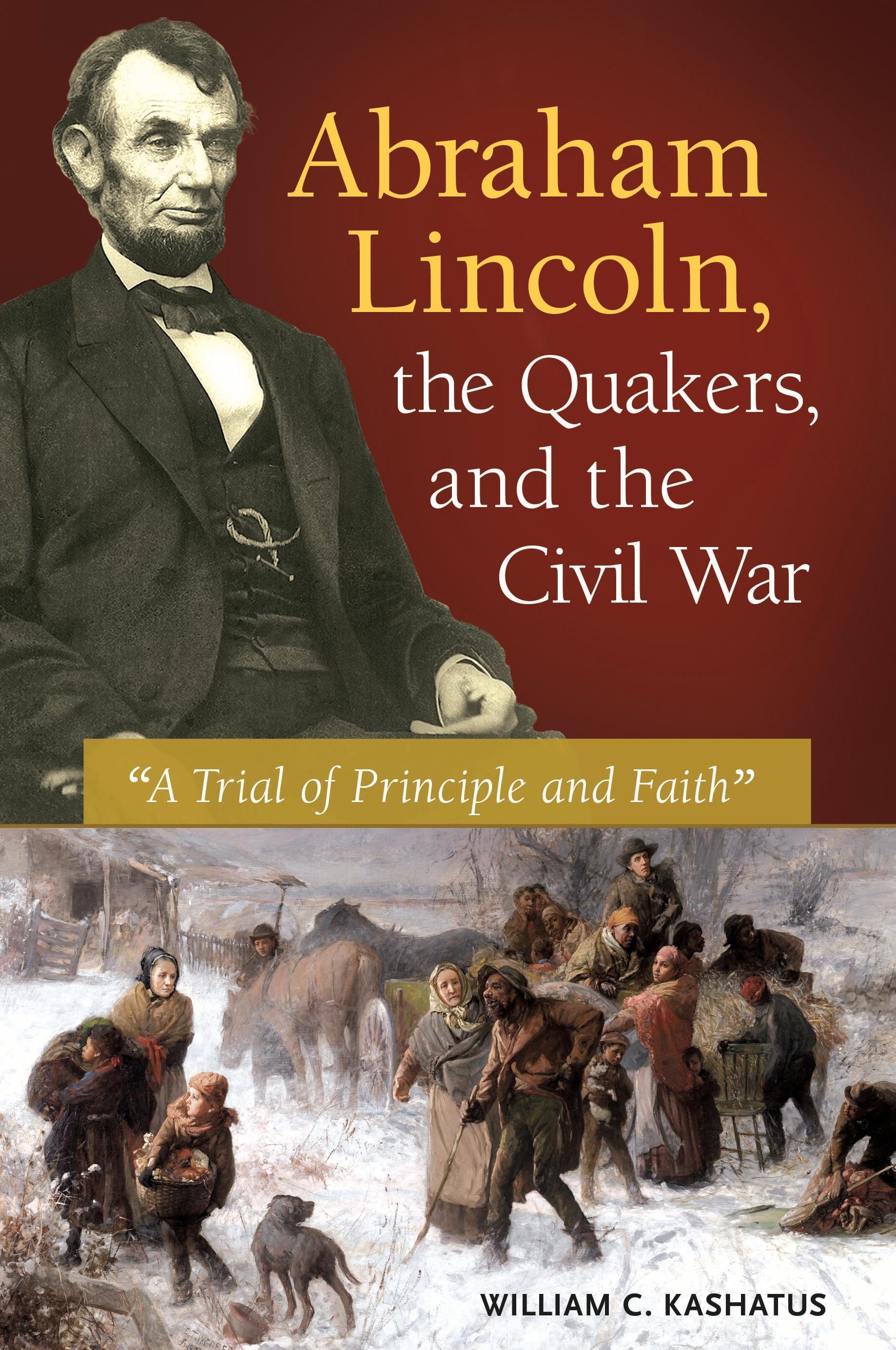
This unique addition to Civil War literature examines the extensive influence Quaker belief and practice had on Lincoln's decisions relative to slavery, including his choice to emancipate the slaves.
An important contribution to Lincoln scholarship, this thought-provoking work argues that Abraham Lincoln and the Religious Society of Friends faced a similar dilemma: how to achieve emancipation without extending the bloodshed and hardship of war. Organized chronologically so readers can see changes in Lincoln's thinking over time, the book explores the congruence of the 16th president's relationship with Quaker belief and his political and religious thought on three specific issues: emancipation, conscientious objection, and the relief and education of freedmen.
Distinguishing between the reality of Lincoln's relationship with the Quakers and the mythology that has emerged over time, the book differs significantly from previous works in at least two ways. It shows how Lincoln skillfully navigated a relationship with one of the most vocal and politically active religious groups of the 19th century, and it documents the practical ways in which a shared belief in the "Doctrine of Necessity" affected the president's decisions. In addition to gaining new insights about Lincoln, readers will also come away from this book with a better understanding of Quaker positions on abolition and pacifism and a new appreciation for the Quaker contributions to the Union cause.
An important contribution to Lincoln scholarship, this thought-provoking work argues that Abraham Lincoln and the Religious Society of Friends faced a similar dilemma: how to achieve emancipation without extending the bloodshed and hardship of war. Organized chronologically so readers can see changes in Lincoln's thinking over time, the book explores the congruence of the 16th president's relationship with Quaker belief and his political and religious thought on three specific issues: emancipation, conscientious objection, and the relief and education of freedmen.
Distinguishing between the reality of Lincoln's relationship with the Quakers and the mythology that has emerged over time, the book differs significantly from previous works in at least two ways. It shows how Lincoln skillfully navigated a relationship with one of the most vocal and politically active religious groups of the 19th century, and it documents the practical ways in which a shared belief in the "Doctrine of Necessity" affected the president's decisions. In addition to gaining new insights about Lincoln, readers will also come away from this book with a better understanding of Quaker positions on abolition and pacifism and a new appreciation for the Quaker contributions to the Union cause.
Betaal eenvoudig met kaart, Klarna, Apple Pay of Google Pay. Niet tevreden? Je hebt altijd 14 dagen bedenktijd. Lees meer in onze voorwaarden. Heb je vragen, mail ons dan via hello@memmo.org.
Memmo maakt studeren makkelijker – waar je ook bent ter wereld. Wij brengen je cursusboeken en slimme studietools samen op één plek: samenvattingen, quizzen, podcasts en flashcards. En Ted, je studievriend die antwoord geeft op alles wat je je afvraagt. Meer dan 50.000 studenten studeren hier al – gebouwd om je sneller te laten leren en minder stress te geven.