
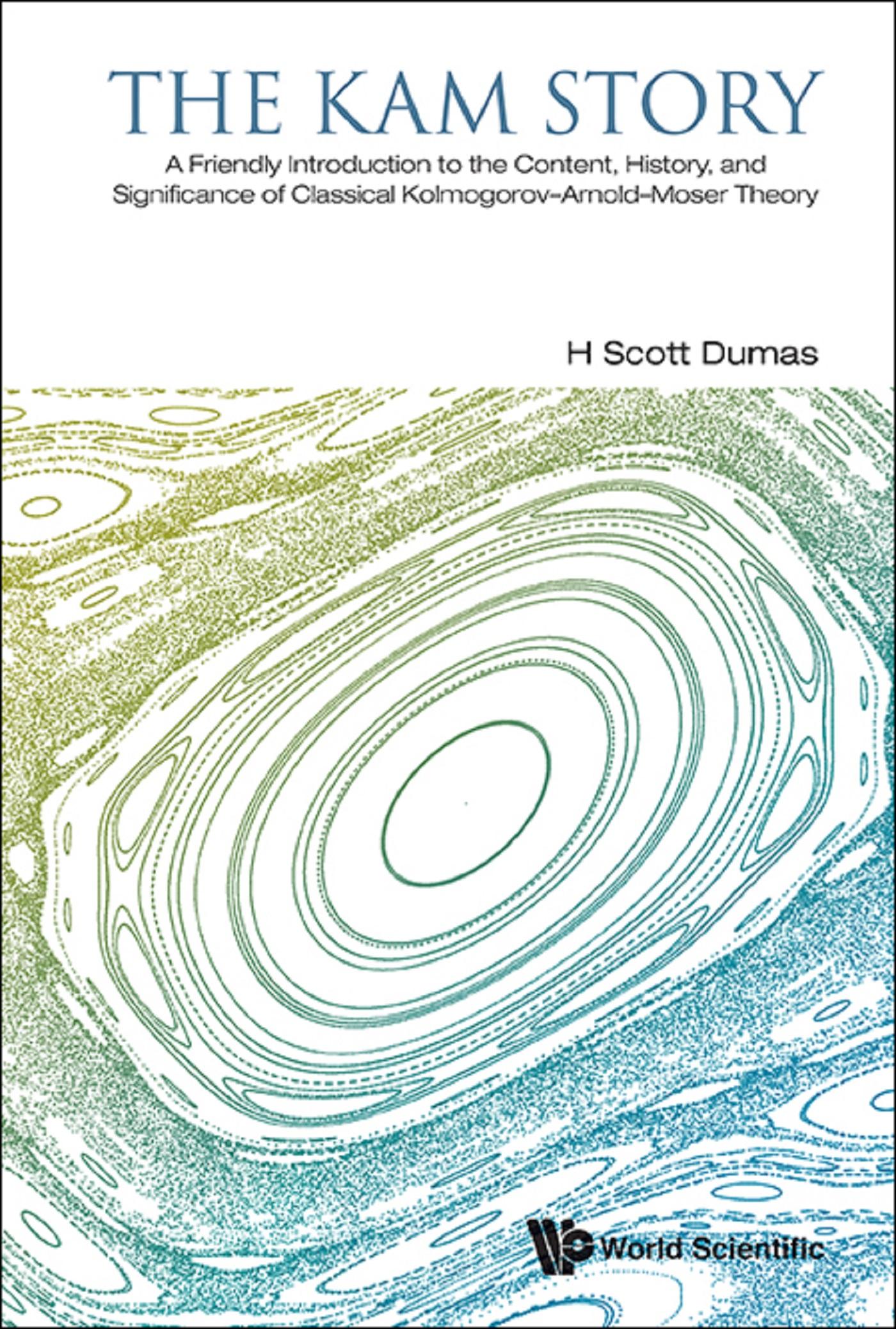
This is a semi-popular mathematics book aimed at a broad readership of mathematically literate scientists, especially mathematicians and physicists who are not experts in classical mechanics or KAM theory, and scientific-minded readers. Parts of the book should also appeal to less mathematically trained readers with an interest in the history or philosophy of science.The scope of the book is broad: it not only describes KAM theory in some detail, but also presents its historical context (thus showing why it was a “breakthrough”). Also discussed are applications of KAM theory (especially to celestial mechanics and statistical mechanics) and the parts of mathematics and physics in which KAM theory resides (dynamical systems, classical mechanics, and Hamiltonian perturbation theory).Although a number of sources on KAM theory are now available for experts, this book attempts to fill a long-standing gap at a more descriptive level. It stands out very clearly from existing publications on KAM theory because it leads the reader through an accessible account of the theory and places it in its proper context in mathematics, physics, and the history of science.
Betaal eenvoudig met kaart, Klarna, Apple Pay of Google Pay. Niet tevreden? Je hebt altijd 14 dagen bedenktijd. Lees meer in onze voorwaarden. Heb je vragen, mail ons dan via hello@memmo.org.
Memmo maakt studeren makkelijker – waar je ook bent ter wereld. Wij brengen je cursusboeken en slimme studietools samen op één plek: samenvattingen, quizzen, podcasts en flashcards. En Ted, je studievriend die antwoord geeft op alles wat je je afvraagt. Meer dan 50.000 studenten studeren hier al – gebouwd om je sneller te laten leren en minder stress te geven.
Misschien vind je dit ook leuk
Koop het boek0