
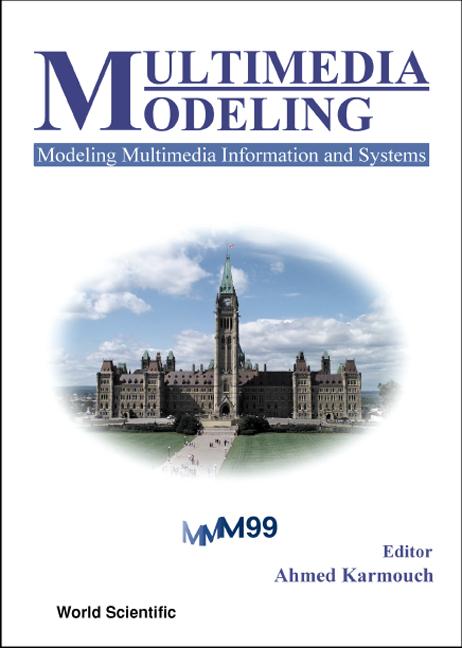
Multimedia systems result from the merging of the computing, communications and broadcasting industries. This merging has been made possible today by the technical advances in high speed broadband networks, computer desktop workstations, and information storage and compression techniques.Currently, text and image are the predominant forms of information exchanged over the Internet. However, there are clear signs that the situation is rapidly changing with the recent emergence of multimedia applications in the area of education, business, e-commerce and entertainment — resulting, therefore, in increased consumption of network bandwidth and in the creation of a very large volume of information that needs to be processed and stored. This trend has made strong demands on the multimedia modeling research community to develop new semantic models that will further facilitate the creation, representation, manipulation and animation of multimedia content with a better level of granularity than what is possible to achieve with today's multimedia information systems.This volume explores issues associated with multimedia modeling information and systems and presents the current status of work in this field. It covers a broad range of theoretical, conceptual and practical topics and addresses the needs of a wide audience, including researchers, multimedia systems designers and users of multimedia systems.
Betaal eenvoudig met kaart, Klarna, Apple Pay of Google Pay. Niet tevreden? Je hebt altijd 14 dagen bedenktijd. Lees meer in onze voorwaarden. Heb je vragen, mail ons dan via hello@memmo.org.
Memmo maakt studeren makkelijker – waar je ook bent ter wereld. Wij brengen je cursusboeken en slimme studietools samen op één plek: samenvattingen, quizzen, podcasts en flashcards. En Ted, je studievriend die antwoord geeft op alles wat je je afvraagt. Meer dan 50.000 studenten studeren hier al – gebouwd om je sneller te laten leren en minder stress te geven.
Misschien vind je dit ook leuk
Koop het boek0