
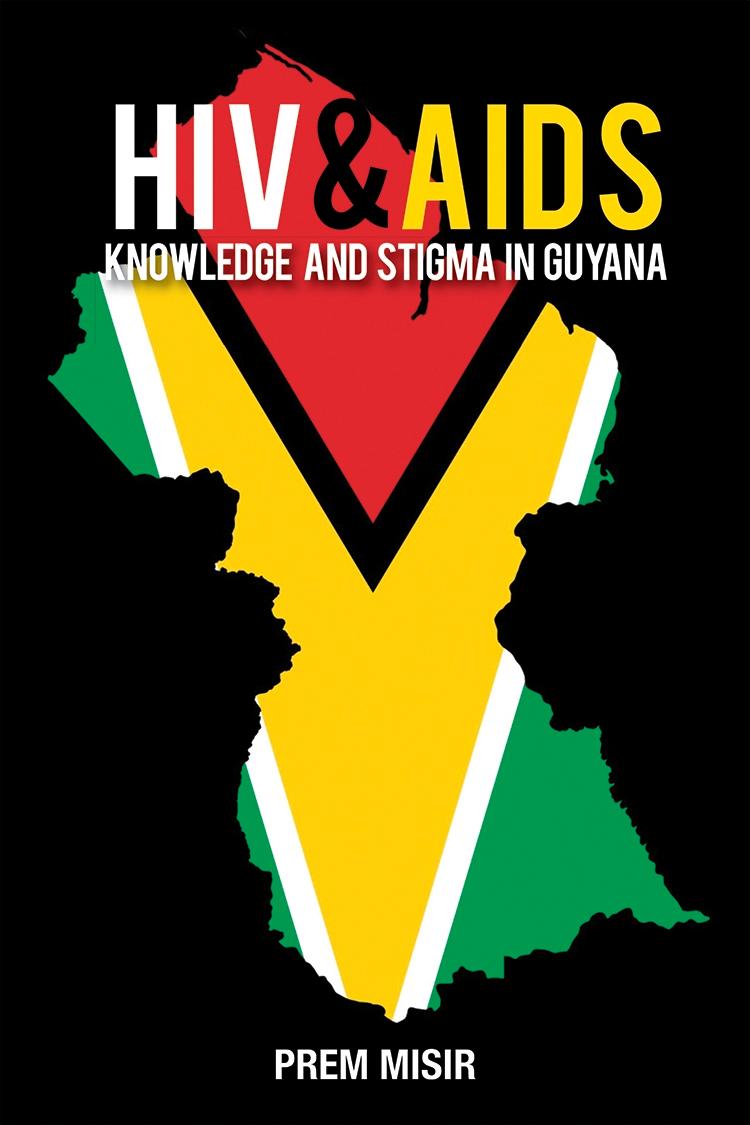
This cross-sectional study used a purposive sample of 379 high school students from fifteen urban and rural high schools in Guyana and assessed their HIV and AIDS knowledge and stigma-related attitudes, and the relationships among gender, age, religion, and race/ethnicity and HIV and AIDS knowledge. Most of the high school students displayed an overall moderate level of HIV and AIDS knowledge. The students understood the modes of HIV transmission; they recognized the symptoms of HIV and AIDS; nearly half of them believed that a blood donor was at risk of contracting HIV; and about one-fifth of the students embraced myths and misconceptions surrounding HIV and AIDS.
There was no statistically significant difference in the knowledge scores of male and female students. Knowledge scores, nevertheless, differed significantly between the 13 to 15 and 16 to 18 age groups, and among the religious and ethnic groups. Stigma-related attitude scores did not differ significantly for gender and age, but differed significantly for religion and ethnicity among students. The study showed fissures in HIV/AIDS knowledge and substantial stigma-related attitudes. Limited understanding of the myths and misconceptions of HIV and AIDS demands a new focus on how HIV is not transmitted through moving beyond conventional strategies toward a social constructivist approach.
This book is essential reading for medical professionals, policymakers and educators throughout the Caribbean region.
Betaal eenvoudig met kaart, Klarna, Apple Pay of Google Pay. Niet tevreden? Je hebt altijd 14 dagen bedenktijd. Lees meer in onze voorwaarden. Heb je vragen, mail ons dan via hello@memmo.org.
Memmo maakt studeren makkelijker – waar je ook bent ter wereld. Wij brengen je cursusboeken en slimme studietools samen op één plek: samenvattingen, quizzen, podcasts en flashcards. En Ted, je studievriend die antwoord geeft op alles wat je je afvraagt. Meer dan 50.000 studenten studeren hier al – gebouwd om je sneller te laten leren en minder stress te geven.