
Shortlisted for the British Society for Literature and Science (BSLS) Book Prize 2023
Nominated, 2023 Teaching Literature Book Award
Indian Science Fiction has evolved over the years and can be seen making a mark for itself on the global scene. Dalit speculative fiction writer and editor Mimi Mondal is the first SF writer from India to have been nominated for the prestigious Hugo award. In fact, Indian SF addresses themes such as global climate change. Debates around G.C.C are not just limited to science fiction but also permeate in critical discussions on SF.
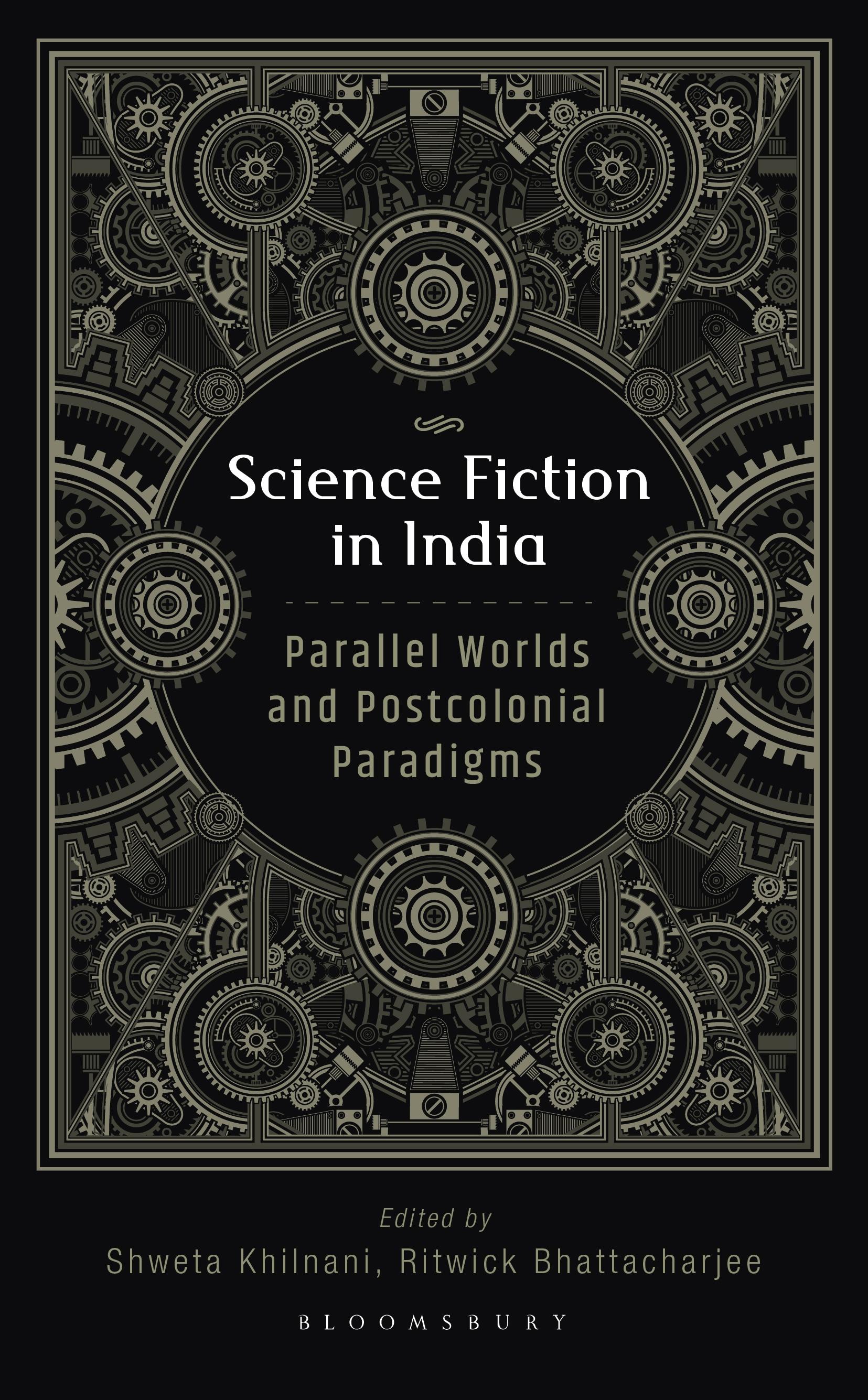
This volume seeks to examine the different ways by which Indian SF narratives construct possible national futures. For this looking forward necessarily germinates from the current positional concerns of the nation. While some work has been done on Indian SF, there is still a perceptible lack of an academic rigor invested into the genre; primarily, perhaps, because of not only its relative unpopularity in India, but also its employment of futuristic sights. Towards the same, among other things, it proposes to study the growth and evolution of science fiction in India as a literary genre which accommodates the duality of the national consciousness as it simultaneously gazes ahead towards the future and glances back at the past. In other words, the book will explore how the tensions generated by the seemingly conflicting forces of tradition and modernity within the Indian historical landscape are realized through characteristic tropes of SF storytelling. It also intends to look at the interplay between the spatio-temporal coordinates of the nation and the SF narratives produced within to see, firstly, how one bears upon the other and, secondly, how processes of governance find relational structures with such narratives. Through these, the volume wishes to interrogate how postcolonial futures promise to articulate a more representative and nuanced picture of a contemporary reality that is rooted in a distinct cultural and colonial past.
Nominated, 2023 Teaching Literature Book Award
Indian Science Fiction has evolved over the years and can be seen making a mark for itself on the global scene. Dalit speculative fiction writer and editor Mimi Mondal is the first SF writer from India to have been nominated for the prestigious Hugo award. In fact, Indian SF addresses themes such as global climate change. Debates around G.C.C are not just limited to science fiction but also permeate in critical discussions on SF.
This volume seeks to examine the different ways by which Indian SF narratives construct possible national futures. For this looking forward necessarily germinates from the current positional concerns of the nation. While some work has been done on Indian SF, there is still a perceptible lack of an academic rigor invested into the genre; primarily, perhaps, because of not only its relative unpopularity in India, but also its employment of futuristic sights. Towards the same, among other things, it proposes to study the growth and evolution of science fiction in India as a literary genre which accommodates the duality of the national consciousness as it simultaneously gazes ahead towards the future and glances back at the past. In other words, the book will explore how the tensions generated by the seemingly conflicting forces of tradition and modernity within the Indian historical landscape are realized through characteristic tropes of SF storytelling. It also intends to look at the interplay between the spatio-temporal coordinates of the nation and the SF narratives produced within to see, firstly, how one bears upon the other and, secondly, how processes of governance find relational structures with such narratives. Through these, the volume wishes to interrogate how postcolonial futures promise to articulate a more representative and nuanced picture of a contemporary reality that is rooted in a distinct cultural and colonial past.
Pagina's: 276
Categorie: Litteraturvetenskap & Teori
e-ISBN: 9789354353437
Verzendgewicht: 1.2 kg
Verzending binnen: 1-2 dagen
Betaal eenvoudig met kaart, Klarna, Apple Pay of Google Pay. Niet tevreden? Je hebt altijd 14 dagen bedenktijd. Lees meer in onze voorwaarden. Heb je vragen, mail ons dan via hello@memmo.org.
Memmo maakt studeren makkelijker – waar je ook bent ter wereld. Wij brengen je cursusboeken en slimme studietools samen op één plek: samenvattingen, quizzen, podcasts en flashcards. En Ted, je studievriend die antwoord geeft op alles wat je je afvraagt. Meer dan 50.000 studenten studeren hier al – gebouwd om je sneller te laten leren en minder stress te geven.