
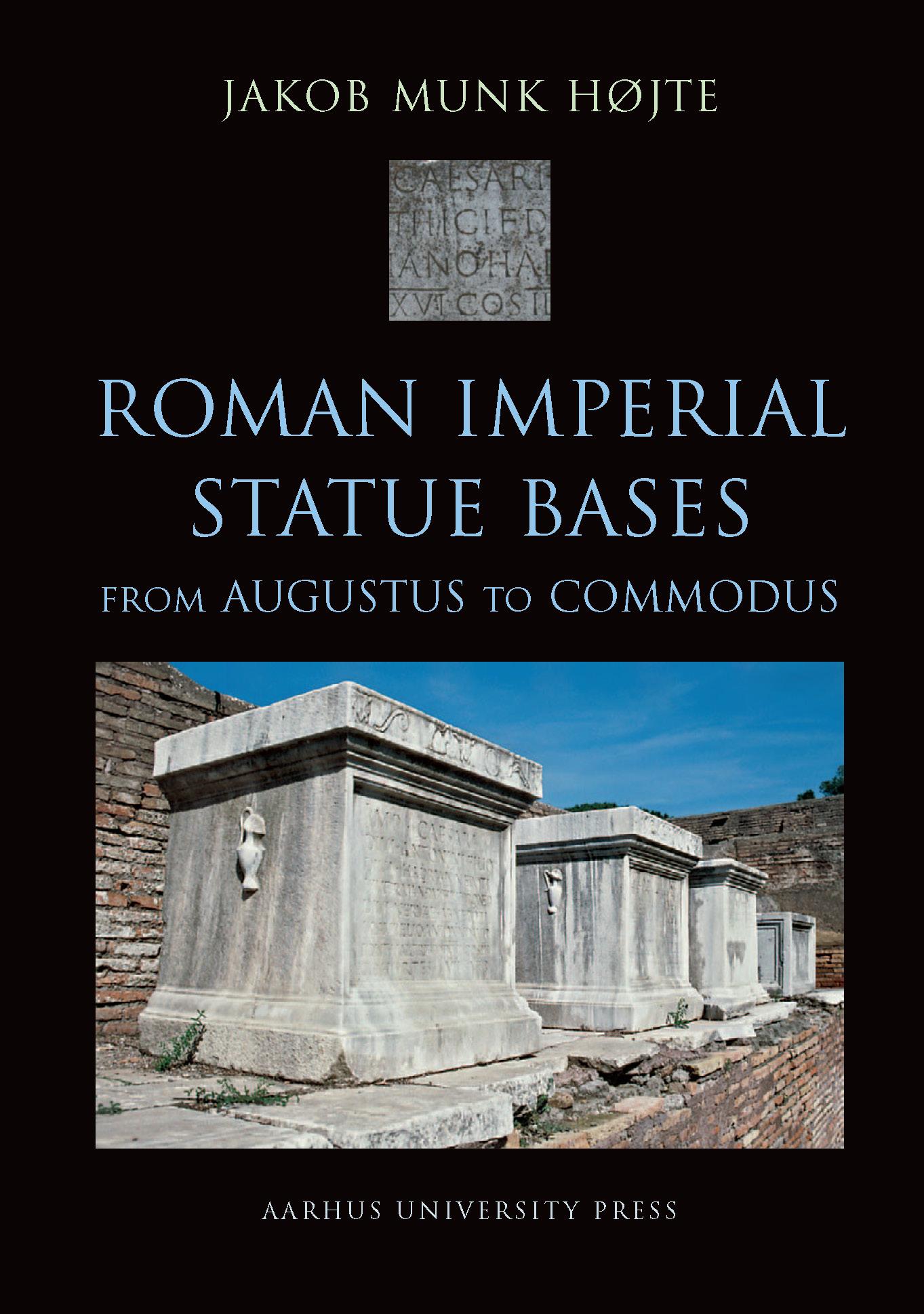
The study of Roman imperial statues has made remarkable strides in the last two decades. Yet the field's understandable focus on extant portraits has made it difficult to generalize accurately. Most notably, bronze was usually the material of choice, but its high scrap value meant that such statues were inevitably melted down, so that almost all surviving statues are of stone. By examining the much larger and more representative body of statue bases, Jakob Munk Hojte is here able to situate the statues themselves in context. This volume includes a catalogue of 2300 known statue bases from more than 800 sites within and without the Roman Empire. Moreover, since it covers a period of 250 years, it allows for the first time consistent geographic, chronological and commemorative patterns to emerge. Hojte finds among other things that imperial portrait statues are connected chiefly with urban centres; that they were raised continuously during a given reign, with a higher concentration a couple years after accession; that a primary purpose was often to advertise a donor's merits; and that they increased sixfold in frequency from Augustus to Hadrian, an increase attributable to community erections. Jakob Munk Hojte is post.doc. and research assistant at the Danish National Research Foundations Centre for Black Sea Studies.
Betaal eenvoudig met kaart, Klarna, Apple Pay of Google Pay. Niet tevreden? Je hebt altijd 14 dagen bedenktijd. Lees meer in onze voorwaarden. Heb je vragen, mail ons dan via hello@memmo.org.
Memmo maakt studeren makkelijker – waar je ook bent ter wereld. Wij brengen je cursusboeken en slimme studietools samen op één plek: samenvattingen, quizzen, podcasts en flashcards. En Ted, je studievriend die antwoord geeft op alles wat je je afvraagt. Meer dan 50.000 studenten studeren hier al – gebouwd om je sneller te laten leren en minder stress te geven.
Misschien vind je dit ook leuk
Koop het boek0