
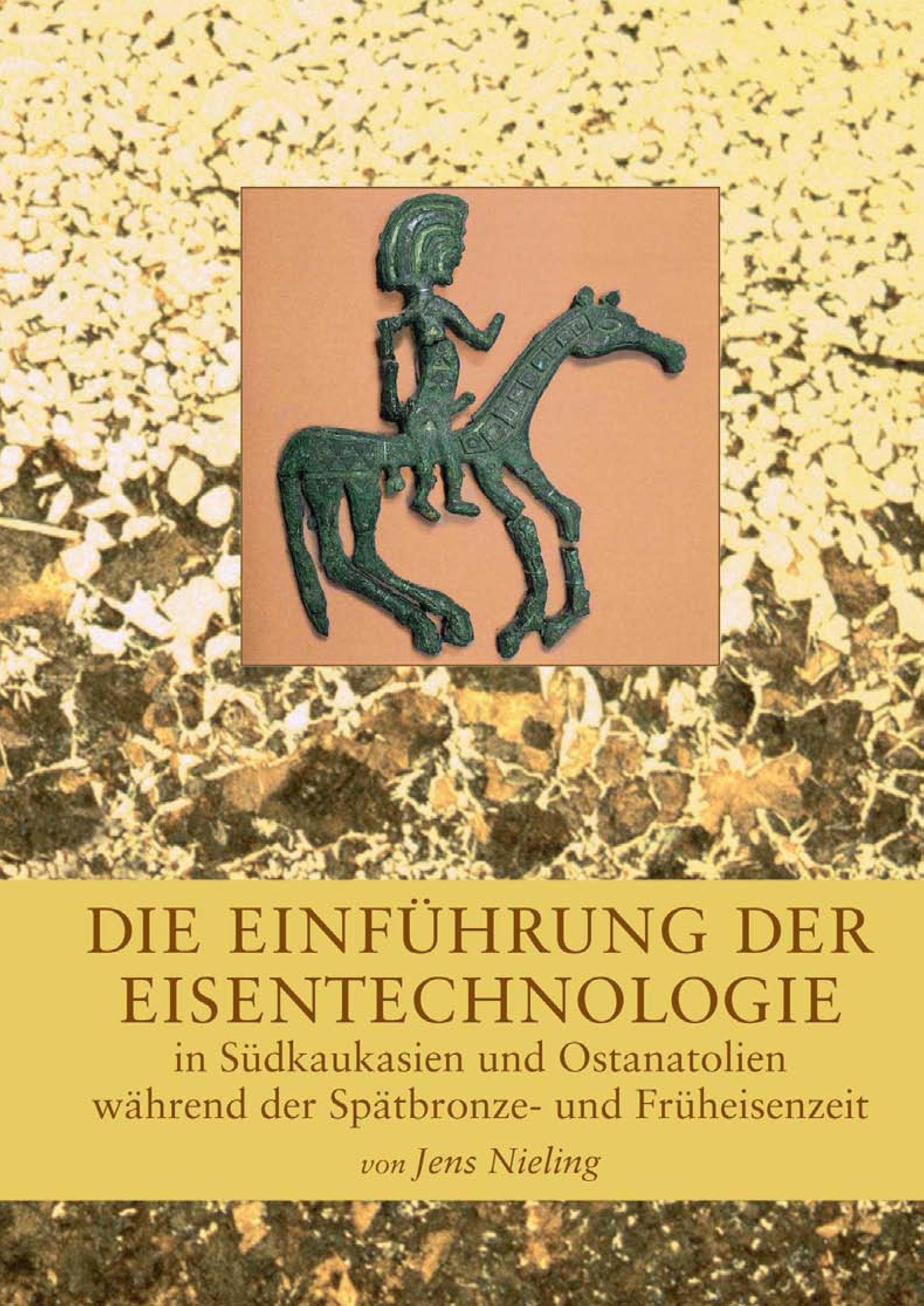
This German doctoral thesis challenges the orthodox view that the South-Caucasian culture of the Late Bronze Age played a decisive role in early iron production. The region is characterized, on the contrary, as a traditionally-bound aristocratic society with an impressive bronze industry. It was instead the underestimated nomad population of South-Eastern Turkey that first made use of the new metal and discovered the art of steel making. Climatic changes forced a southward migration, which not only brought the two cultures into contact, but also into conflict, with each other. However, a process of successful acculturation finally resulted in the creation of the Urartian Empire. While for some time the neighbouring Assyrian and Neohittite states remained hesitant towards the adoption of advanced iron technology, this soon changed when they recognized the opportunity for cheap mass-production. Text in German with English summary.
Betaal eenvoudig met kaart, Klarna, Apple Pay of Google Pay. Niet tevreden? Je hebt altijd 14 dagen bedenktijd. Lees meer in onze voorwaarden. Heb je vragen, mail ons dan via hello@memmo.org.
Memmo maakt studeren makkelijker – waar je ook bent ter wereld. Wij brengen je cursusboeken en slimme studietools samen op één plek: samenvattingen, quizzen, podcasts en flashcards. En Ted, je studievriend die antwoord geeft op alles wat je je afvraagt. Meer dan 50.000 studenten studeren hier al – gebouwd om je sneller te laten leren en minder stress te geven.
Misschien vind je dit ook leuk
Koop het boek0