
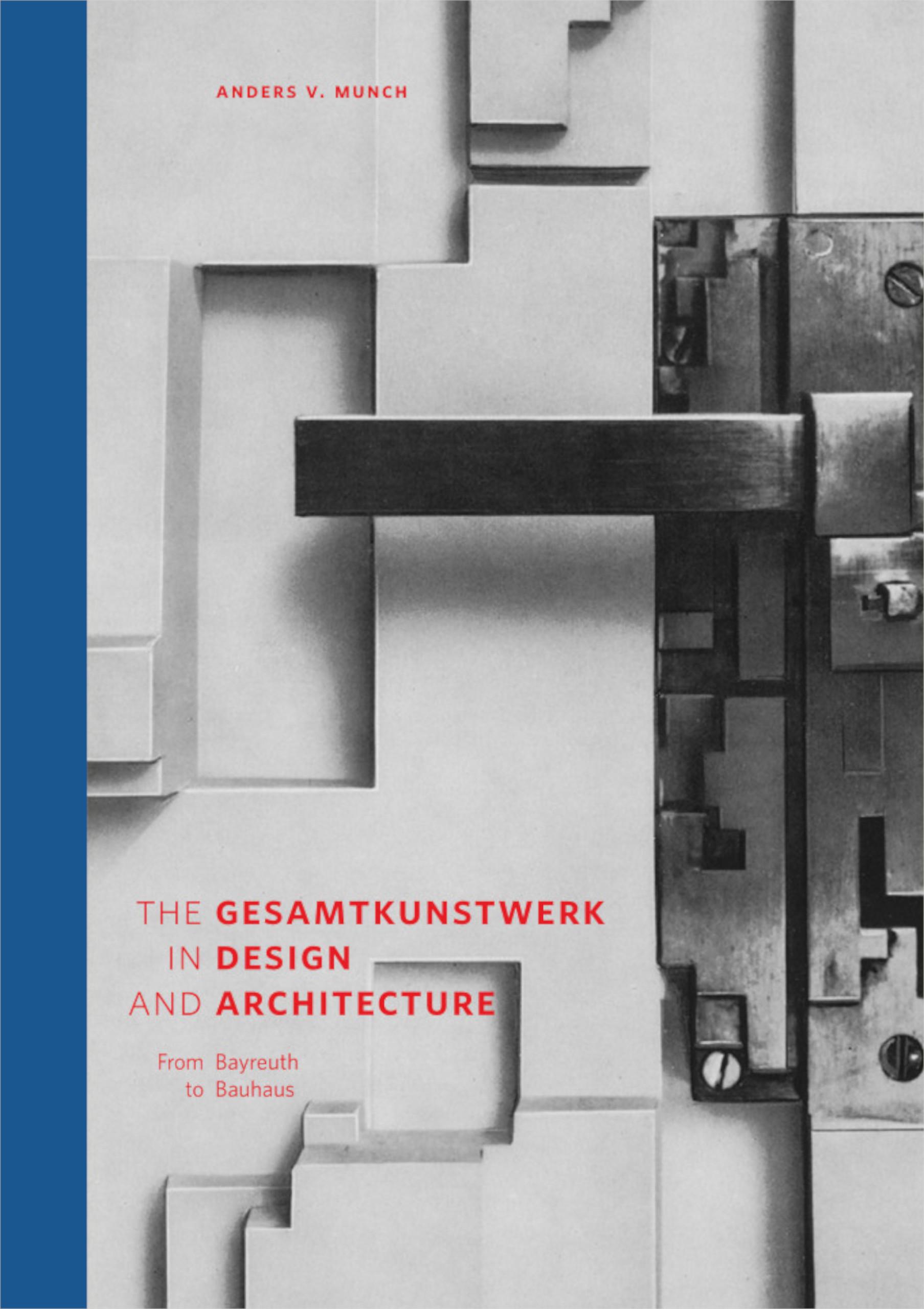
The history of modern design and architecture has seen many attempts to embrace and merge different art forms, and to bring art into the framing of everyday life and the organisation of modern society, in a process understood as total design or total architecture. These attempts were historically based on the romanticist idea of merging all art forms into a uniting and transgressing work of art, mostly associated with – but certainly not limited to – Richard Wagner’s theoretical writings and musical dramas.
This utopian dream of the Gesamtkunstwerk, or Total Work of Art, was intended both to bring unity to the people and to bring art into the everyday life of their homes, as well as into factories, cities and even modern media. As a result, the experiments ranged from music, poetry and drama to architecture, design, visual communication and city-planning. These ideas of merging art forms into more immersive and transgressive installations or design interventions to change everyday life are widespread today, but their complex and often problematic roots are mostly ignored. Design and architecture have delivered some of the broadest and most influential experiments with the Gesamtkunstwerk, from garden cities for workers and corporate identity design to the German AEG corporation.
Betaal eenvoudig met kaart, Klarna, Apple Pay of Google Pay. Niet tevreden? Je hebt altijd 14 dagen bedenktijd. Lees meer in onze voorwaarden. Heb je vragen, mail ons dan via hello@memmo.org.
Memmo maakt studeren makkelijker – waar je ook bent ter wereld. Wij brengen je cursusboeken en slimme studietools samen op één plek: samenvattingen, quizzen, podcasts en flashcards. En Ted, je studievriend die antwoord geeft op alles wat je je afvraagt. Meer dan 50.000 studenten studeren hier al – gebouwd om je sneller te laten leren en minder stress te geven.
Misschien vind je dit ook leuk
Koop het boek0