
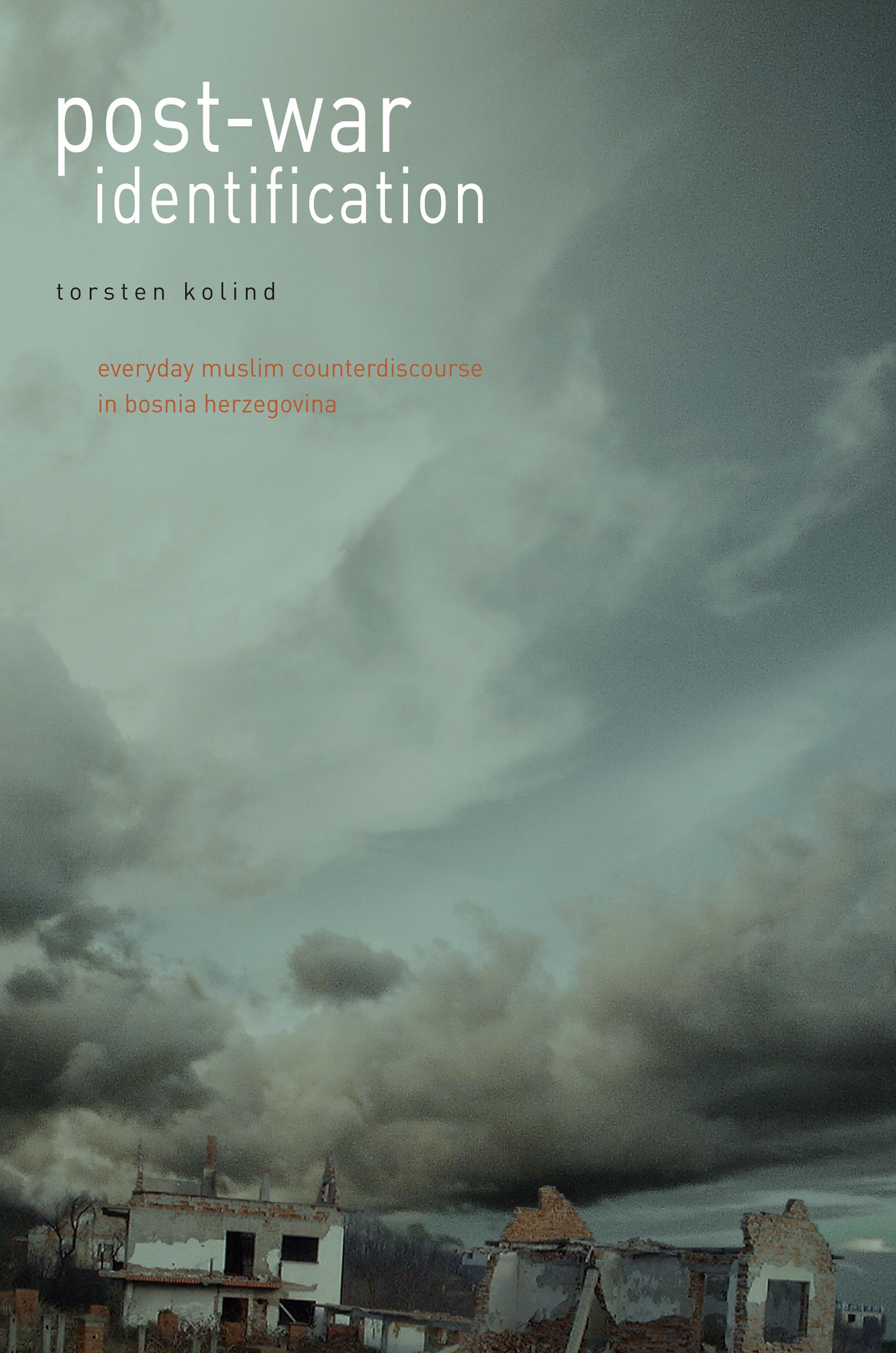
Stolac, the town of departure for this book and the site where the author conducted fieldwork, is located in the south-western corner of Bosnia Herzegovina. The war in Bosnia Herzegovina (1992-95) was initially an act of aggression and territorial conquest instigated by Serbian political leaders. However, as the war progressed, it increasingly came to consist of several minor wars, one of them fought in Western Bosnia Herzegovina between Croatian and Muslim forces. This was the one that affected the inhabitants of Stolac the most. Before the war, ethnic identity in Bosnia Herzegovina was only one identity among others, and ethnic differences were embedded in everyday practices. Today, ethnic difference is all there is. The Muslims of Stolac are fully aware that as Muslims, they constitute a totally separate group - and that ethnic identity is by far the most important form of identity in present-day Bosnia Herzegovina. In that regard the nationalist project has succeeded. Such a crystallisation and explication of identity fits in well with the structurally inspired anthropology of war and violence, which theorises that the function of violence is to create unambiguous identities. However, Post-War Identities shows that for the Muslims of Stolac, the creation of unambiguous ethnic identities is only half the story.
Betaal eenvoudig met kaart, Klarna, Apple Pay of Google Pay. Niet tevreden? Je hebt altijd 14 dagen bedenktijd. Lees meer in onze voorwaarden. Heb je vragen, mail ons dan via hello@memmo.org.
Memmo maakt studeren makkelijker – waar je ook bent ter wereld. Wij brengen je cursusboeken en slimme studietools samen op één plek: samenvattingen, quizzen, podcasts en flashcards. En Ted, je studievriend die antwoord geeft op alles wat je je afvraagt. Meer dan 50.000 studenten studeren hier al – gebouwd om je sneller te laten leren en minder stress te geven.
Misschien vind je dit ook leuk
Koop het boek0