
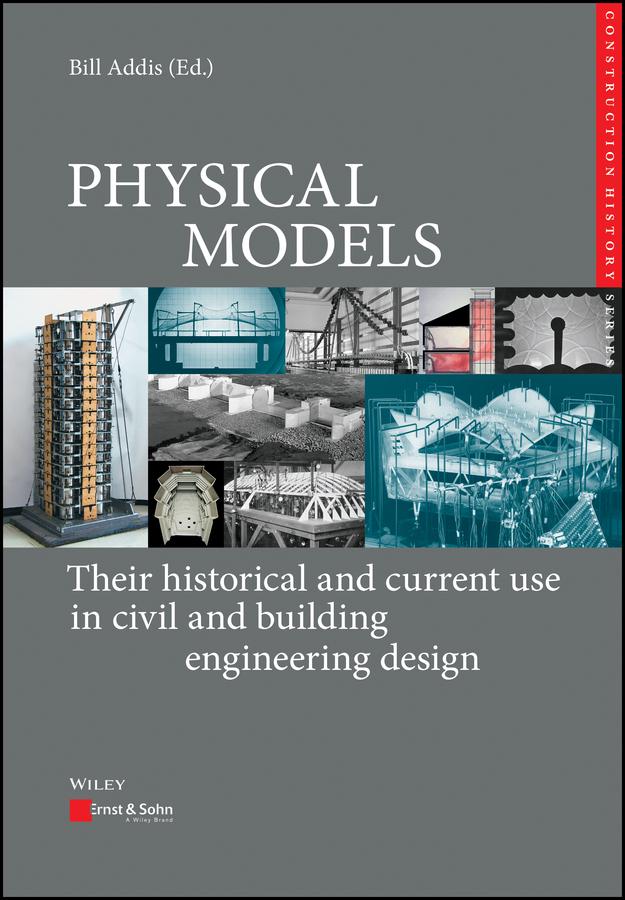
Physical models have been, and continue to be used by engineers when faced with unprecedented challenges, when engineering science has been non-existent or inadequate, and in any other situation when the engineer has needed to raise their confidence in a design proposal to a sufficient level to begin construction. For this reason, models have mostly been used by designers and constructors of highly innovative projects, when previous experience has not been available.
The book covers the history of using of physical models in the design and development of civil and building engineering projects including bridges in the mid-18th century, William Fairbairn?s Britannia bridge in the 1840s, the masonry Aswan Dam in the 1890s, concrete dams in the 1920s, thin concrete shell roofs and the dynamic behaviour of tall buildings in earthquakes from the 1930s, tidal flow in estuaries and the acoustics of concert halls from the 1950s, and cable-net and membrane structures in the 1960s.
Traditionally, progress in engineering has been attributed to the creation and use of engineering science, the understanding materials properties and the development of new construction methods. The book argues that the use of reduced scale models have played an equally important part in the development of civil and building engineering. However, like the history of engineering design itself, this crucial contribution has not been widely reported or celebrated.
The book concludes with reviews of the current use of physical models alongside computer models, for example, in boundary layer wind tunnels, room acoustics, seismic engineering, hydrology, and air flow in buildings.
The book covers the history of using of physical models in the design and development of civil and building engineering projects including bridges in the mid-18th century, William Fairbairn?s Britannia bridge in the 1840s, the masonry Aswan Dam in the 1890s, concrete dams in the 1920s, thin concrete shell roofs and the dynamic behaviour of tall buildings in earthquakes from the 1930s, tidal flow in estuaries and the acoustics of concert halls from the 1950s, and cable-net and membrane structures in the 1960s.
Traditionally, progress in engineering has been attributed to the creation and use of engineering science, the understanding materials properties and the development of new construction methods. The book argues that the use of reduced scale models have played an equally important part in the development of civil and building engineering. However, like the history of engineering design itself, this crucial contribution has not been widely reported or celebrated.
The book concludes with reviews of the current use of physical models alongside computer models, for example, in boundary layer wind tunnels, room acoustics, seismic engineering, hydrology, and air flow in buildings.
Pagina's: 1114
Categorie: Ingenjörsvetenskap
e-ISBN: 9783433609637
Verzendgewicht: 1.2 kg
Verzending binnen: 1-2 dagen
Betaal eenvoudig met kaart, Klarna, Apple Pay of Google Pay. Niet tevreden? Je hebt altijd 14 dagen bedenktijd. Lees meer in onze voorwaarden. Heb je vragen, mail ons dan via hello@memmo.org.
Memmo maakt studeren makkelijker – waar je ook bent ter wereld. Wij brengen je cursusboeken en slimme studietools samen op één plek: samenvattingen, quizzen, podcasts en flashcards. En Ted, je studievriend die antwoord geeft op alles wat je je afvraagt. Meer dan 50.000 studenten studeren hier al – gebouwd om je sneller te laten leren en minder stress te geven.