
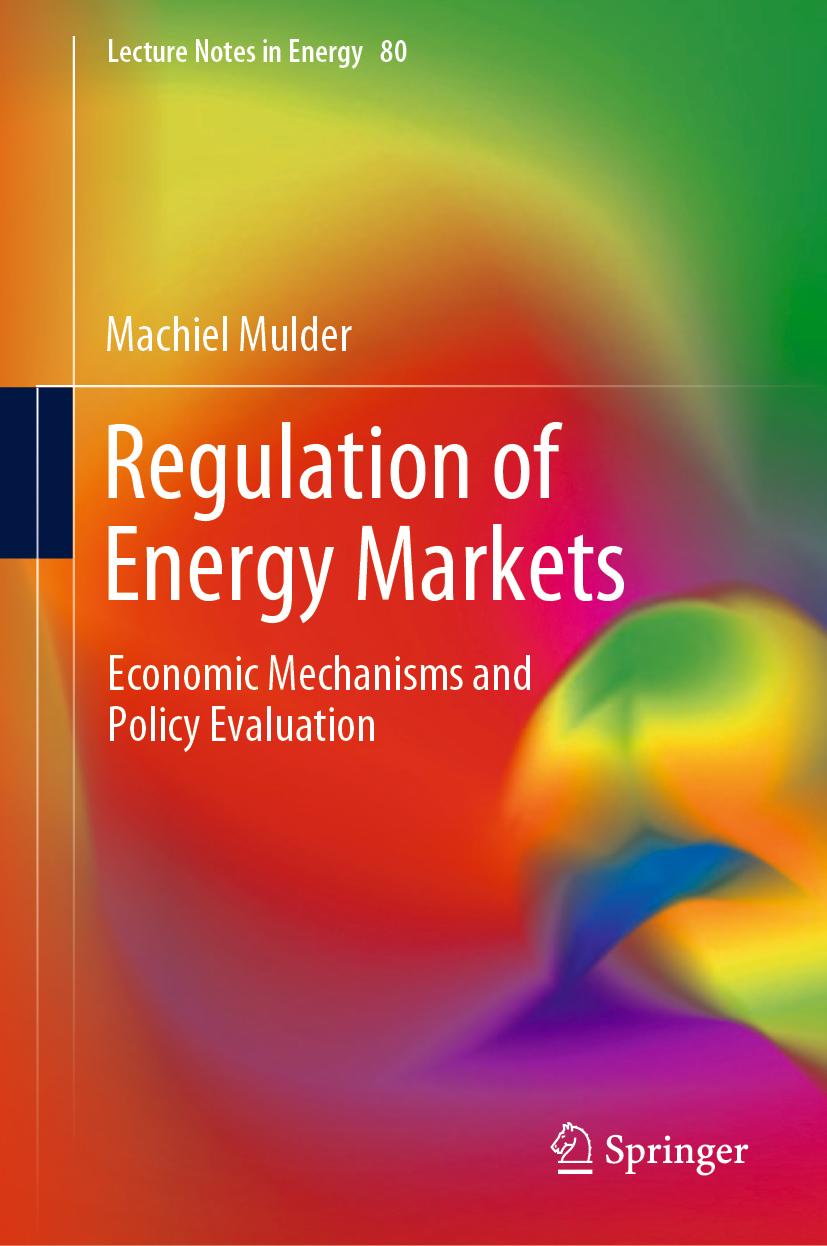
This textbook explains the main economic mechanisms behind energy markets and assesses how governments can implement policies to improve how these markets function. Adopting a micro-economic perspective, the book systematically analyses the various types of market failures on the electricity and gas markets as well as coal, oil, hydrogen and heat markets to identify government policies that can improve welfare. These shortcomings include the natural monopoly and the public-good character of energy infrastructures; market power resulting from inflexibility of supply and demand; international trade restrictions; negative externalities concerning the use of fossil energy; positive externalities concerning innovative new energy technologies; information asymmetries with regard to the product characteristics of energy commodities; and other public concerns, such as energy poverty.
In turn, readers will learn about various measures that governments can use to address these market failures, including incentive regulation for electricity grids; international integration of wholesale energy markets; environmental regulatory measures like emissions trading schemes; subsidy schemes for new technologies; green-energy certificate schemes; and energy taxes. Given its scope, the book will appeal to upper-undergraduate and graduate students from various disciplines who want to learn more about the economics and regulation of energy systems and markets.
Betaal eenvoudig met kaart, Klarna, Apple Pay of Google Pay. Niet tevreden? Je hebt altijd 14 dagen bedenktijd. Lees meer in onze voorwaarden. Heb je vragen, mail ons dan via hello@memmo.org.
Memmo maakt studeren makkelijker – waar je ook bent ter wereld. Wij brengen je cursusboeken en slimme studietools samen op één plek: samenvattingen, quizzen, podcasts en flashcards. En Ted, je studievriend die antwoord geeft op alles wat je je afvraagt. Meer dan 50.000 studenten studeren hier al – gebouwd om je sneller te laten leren en minder stress te geven.