
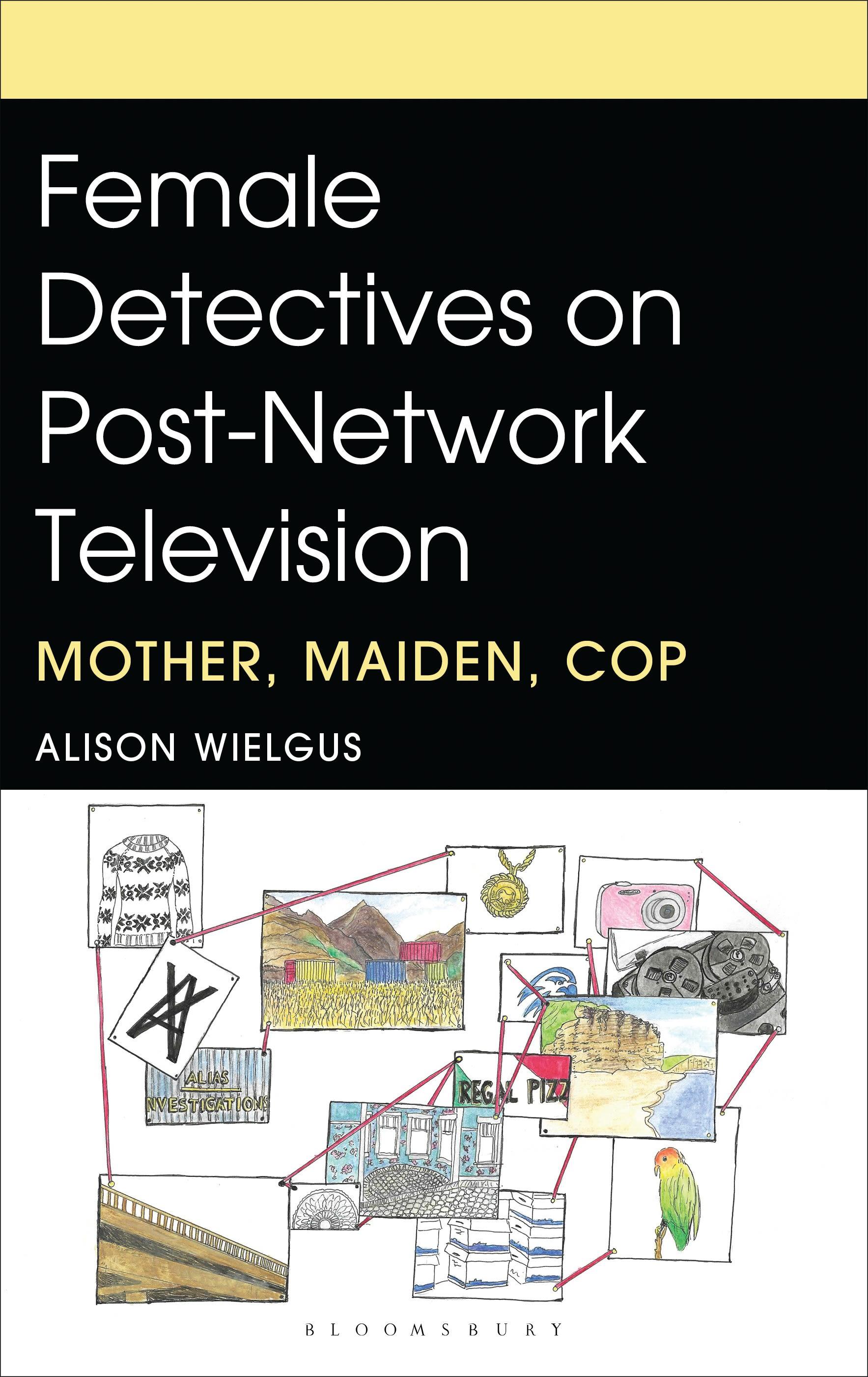
In this book, Alison Wielgus analyzes post-network female detective television through the lenses of genre, industry, and discourses of police abolition to argue for a radicalization of crime television that incorporates discourses of restorative justice and a feminist ethics of care.
Wielgus positions the genre as a primary site to examine the intersections of cultural discourses like #MeToo and Black Lives Matter, considering the roles of several components of the genre, including serialization, circulation, family trauma, transnational victimhood, and discourses of police abolition, among others. Drawing on narrative and genre theory, the book argues that a melodrama/crime television dialectic undergirds post-network detective television, allowing the female detective to emerge as a contested figure representative of larger cultural tensions between gender and policing.
While changing industrial measures have allowed for niche programming to evolve and more rigorously interrogate gender norms, Wielgus finds that this disruption rarely extends to the institution of policing itself. Ultimately, this book identifies a central problem of crime television in the limitations the genre places on the construction and representation of the structural and societal functions of policing, even amid other strides in progressive representation.
Wielgus positions the genre as a primary site to examine the intersections of cultural discourses like #MeToo and Black Lives Matter, considering the roles of several components of the genre, including serialization, circulation, family trauma, transnational victimhood, and discourses of police abolition, among others. Drawing on narrative and genre theory, the book argues that a melodrama/crime television dialectic undergirds post-network detective television, allowing the female detective to emerge as a contested figure representative of larger cultural tensions between gender and policing.
While changing industrial measures have allowed for niche programming to evolve and more rigorously interrogate gender norms, Wielgus finds that this disruption rarely extends to the institution of policing itself. Ultimately, this book identifies a central problem of crime television in the limitations the genre places on the construction and representation of the structural and societal functions of policing, even amid other strides in progressive representation.
Pagina's: 280
Categorie: Film- & Medievetenskap
e-ISBN: 9781978768758
Verzendgewicht: 1.2 kg
Verzending binnen: 1-2 dagen
Betaal eenvoudig met kaart, Klarna, Apple Pay of Google Pay. Niet tevreden? Je hebt altijd 14 dagen bedenktijd. Lees meer in onze voorwaarden. Heb je vragen, mail ons dan via hello@memmo.org.
Memmo maakt studeren makkelijker – waar je ook bent ter wereld. Wij brengen je cursusboeken en slimme studietools samen op één plek: samenvattingen, quizzen, podcasts en flashcards. En Ted, je studievriend die antwoord geeft op alles wat je je afvraagt. Meer dan 50.000 studenten studeren hier al – gebouwd om je sneller te laten leren en minder stress te geven.