
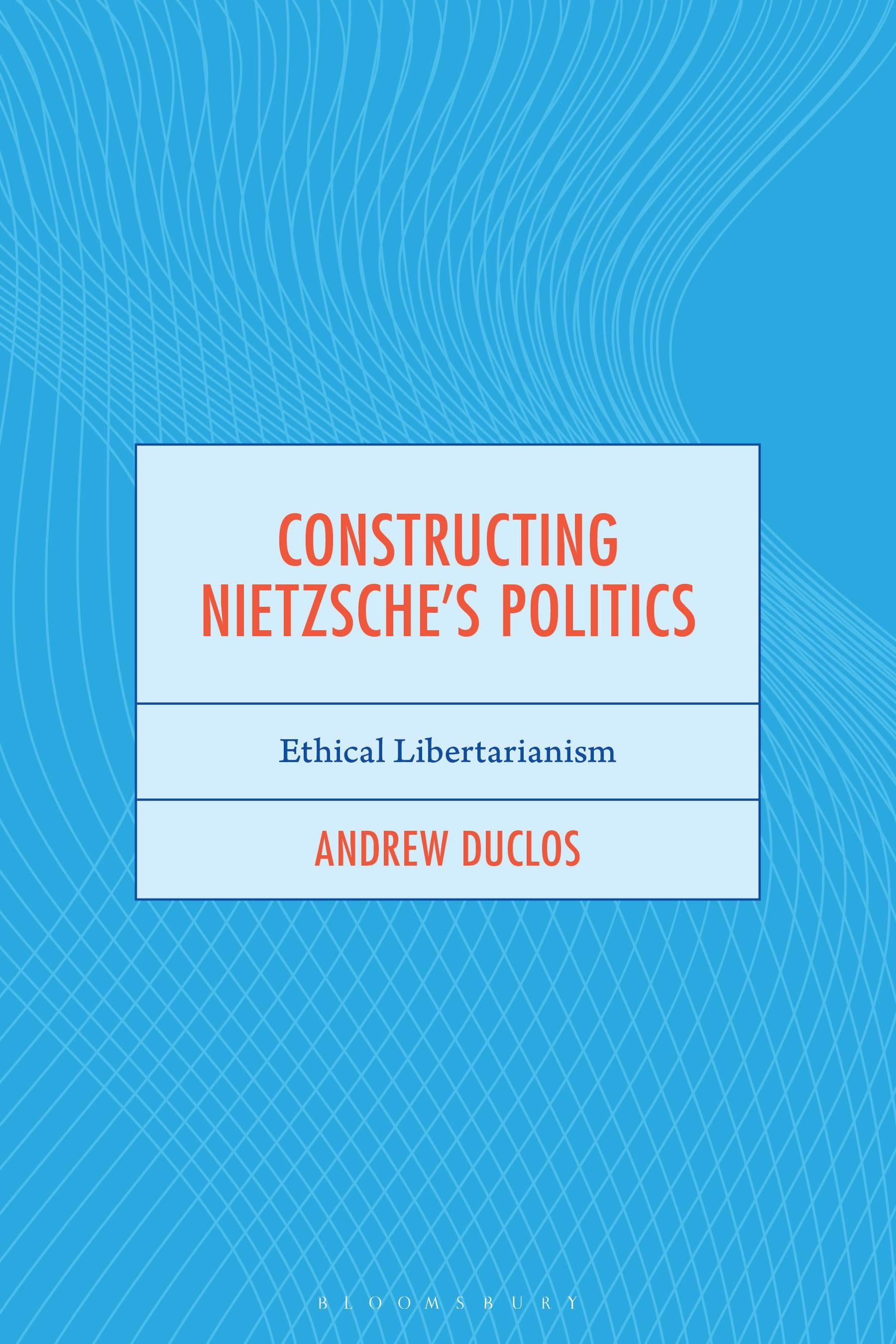
A timely new interpretation of Nietzsche's politics which reconciles the apparent contradictions in Nietzsche's texts by defining his politics as “ethical libertarianism.”
Nietzsche's politics has been the subject of much debate, with the existing scholarship largely divided between aristocratic and anti-democratic readings on the one hand, and democratic readings on the other. This book takes its place in the emerging trend of trying to find a “third way” by arguing that Nietzsche's philosophy implies a form of libertarianism. This interpretation emphasizes individual self-transformation and the need to organize society in a way which best facilitates this for its members. While libertarianism is closest to Nietzsche's requirements, it needs to be reformulated to be made fully consistent with his philosophy. This requires a rejection of any grounding of the natural rights of the individual, presumed to be equal for all, in a metaphysical conception of the self. A Nietzschean “ethical libertarianism” would be based on protecting equal access of individuals to conditions which promote self-cultivation. It is thus democratic, but also meritocratic, as rights will be seen to accrue on the basis of individual development.
Nietzsche's politics has been the subject of much debate, with the existing scholarship largely divided between aristocratic and anti-democratic readings on the one hand, and democratic readings on the other. This book takes its place in the emerging trend of trying to find a “third way” by arguing that Nietzsche's philosophy implies a form of libertarianism. This interpretation emphasizes individual self-transformation and the need to organize society in a way which best facilitates this for its members. While libertarianism is closest to Nietzsche's requirements, it needs to be reformulated to be made fully consistent with his philosophy. This requires a rejection of any grounding of the natural rights of the individual, presumed to be equal for all, in a metaphysical conception of the self. A Nietzschean “ethical libertarianism” would be based on protecting equal access of individuals to conditions which promote self-cultivation. It is thus democratic, but also meritocratic, as rights will be seen to accrue on the basis of individual development.
Pagina's: 256
Categorie: Filosofi
e-ISBN: 9781978768475
Verzendgewicht: 1.2 kg
Verzending binnen: 1-2 dagen
Betaal eenvoudig met kaart, Klarna, Apple Pay of Google Pay. Niet tevreden? Je hebt altijd 14 dagen bedenktijd. Lees meer in onze voorwaarden. Heb je vragen, mail ons dan via hello@memmo.org.
Memmo maakt studeren makkelijker – waar je ook bent ter wereld. Wij brengen je cursusboeken en slimme studietools samen op één plek: samenvattingen, quizzen, podcasts en flashcards. En Ted, je studievriend die antwoord geeft op alles wat je je afvraagt. Meer dan 50.000 studenten studeren hier al – gebouwd om je sneller te laten leren en minder stress te geven.