
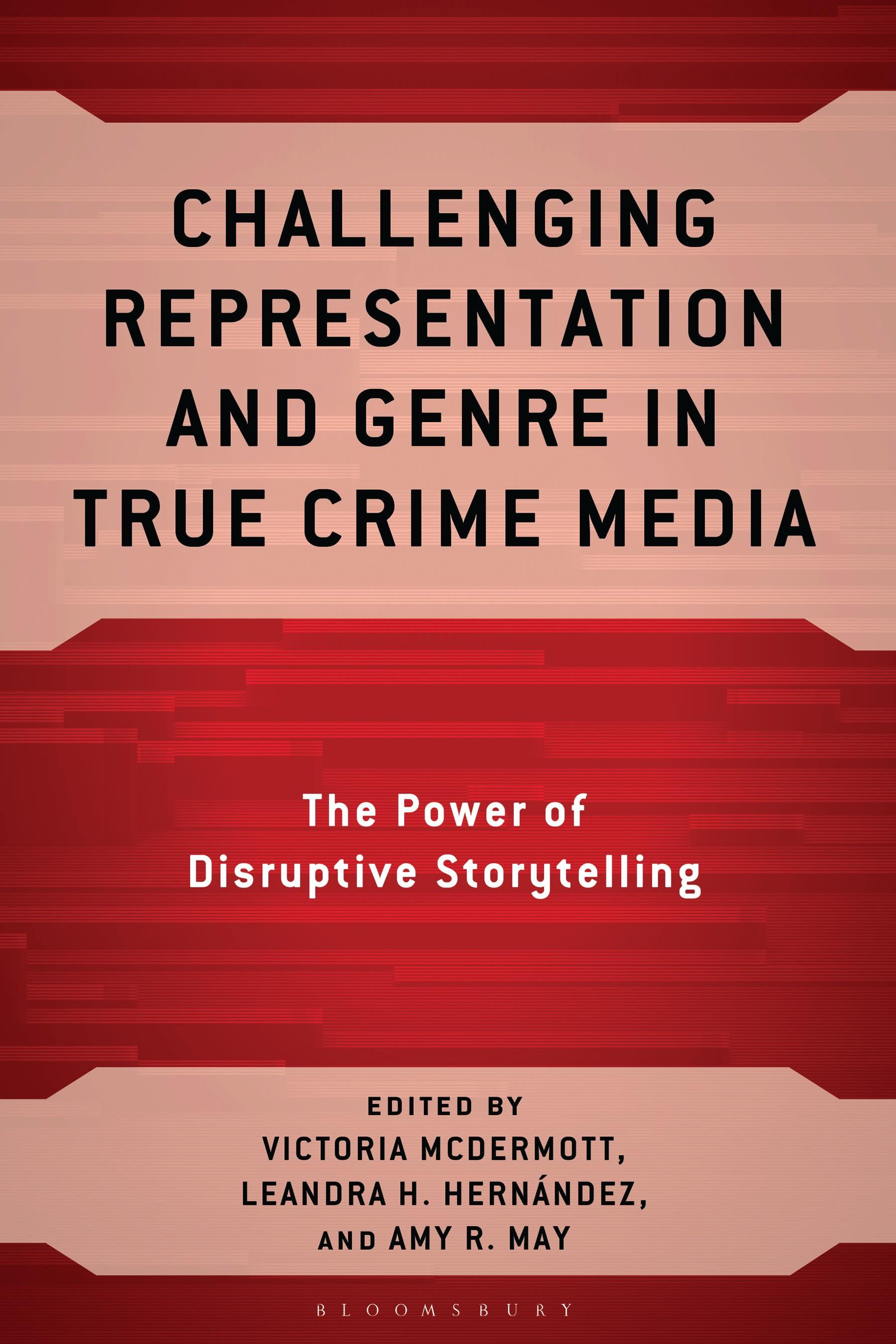
Contributors explore how true crime media creators and audiences can disrupt traditional approaches to storytelling in the creation, promotion, and consumption of the genre, raising critical questions about power structures including ethics, representation, and voice.
Traditional approaches to true crime narratives follow a formulaic story arc that is often exploitative in nature, typically foregrounding the lived experiences of the perpetrator and the rationalizations for their crimes and told through the lens of law enforcement. Contributors qualitatively analyze a variety of digitally mediated true crime content including news discourses, podcasts like Last Podcast on the Left, and television series like The People v. O. J. Simpson: American Crime Story to illuminate the significant limitations of this approach.
Rather than taking a negative stance, however, this volume instead emphasizes the possibilities that this genre has to offer by challenging scholars, practitioners, and educators to rethink their own place in the current landscape. How can we as creators, consumers, and critics harness true crime narratives in ways that honor victims and communities, uphold accurate and respectful representations, challenge dominant narratives within criminal justice, and ultimately transform the true crime genre through innovation?
Traditional approaches to true crime narratives follow a formulaic story arc that is often exploitative in nature, typically foregrounding the lived experiences of the perpetrator and the rationalizations for their crimes and told through the lens of law enforcement. Contributors qualitatively analyze a variety of digitally mediated true crime content including news discourses, podcasts like Last Podcast on the Left, and television series like The People v. O. J. Simpson: American Crime Story to illuminate the significant limitations of this approach.
Rather than taking a negative stance, however, this volume instead emphasizes the possibilities that this genre has to offer by challenging scholars, practitioners, and educators to rethink their own place in the current landscape. How can we as creators, consumers, and critics harness true crime narratives in ways that honor victims and communities, uphold accurate and respectful representations, challenge dominant narratives within criminal justice, and ultimately transform the true crime genre through innovation?
Pagina's: 288
Categorie: Film- & Medievetenskap
e-ISBN: 9781978767911
Verzendgewicht: 1.2 kg
Verzending binnen: 1-2 dagen
Betaal eenvoudig met kaart, Klarna, Apple Pay of Google Pay. Niet tevreden? Je hebt altijd 14 dagen bedenktijd. Lees meer in onze voorwaarden. Heb je vragen, mail ons dan via hello@memmo.org.
Memmo maakt studeren makkelijker – waar je ook bent ter wereld. Wij brengen je cursusboeken en slimme studietools samen op één plek: samenvattingen, quizzen, podcasts en flashcards. En Ted, je studievriend die antwoord geeft op alles wat je je afvraagt. Meer dan 50.000 studenten studeren hier al – gebouwd om je sneller te laten leren en minder stress te geven.