
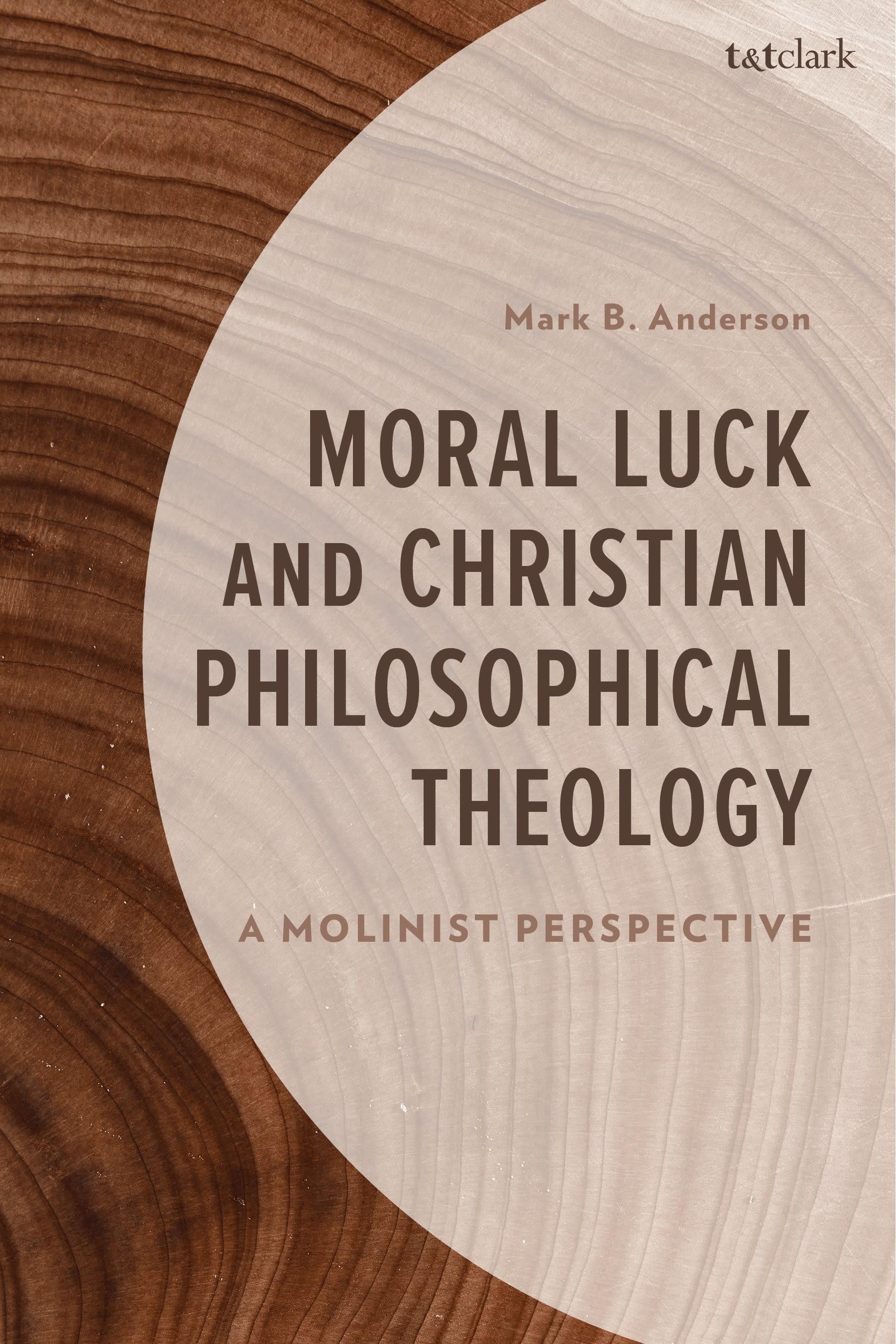
Can we be held responsible for factors beyond our control? Would a just God judge us differently because of luck, or even divine manipulation? Can a fair and just evaluation of humanity result in a universally failing grade?
Moral Luck and Christian Philosophical Theology: A Molinist Perspective engages these questions by tackling the intersection of Christian theology and the moral luck dispute. The solution it offers, building upon the work of Michael Zimmerman, is to develop a counterfactual account of moral responsibility, which eliminates all forms of moral luck. Anderson argues that this solution will carry two metaphysical commitments associated with the molinist model of divine providence: counterfactuals of libertarian freedom and a haecceity view of personal identity. He then develops the account from a moral perspective, examining how we can meaningfully engage the luck-bound world around us without the burden of moral luck. Finally, he examines the theological ramifications of the view, explaining how it is that all human persons may be inescapably and deeply culpable (suffering from original sin) in a way that is consistent with God's justice and love, and how we yet remain capable of a kind of moral restoration. Anderson's suggestion is a radical one, but it offers new avenues for Christian theology while preserving the essential core of the Christian tradition.
Moral Luck and Christian Philosophical Theology: A Molinist Perspective engages these questions by tackling the intersection of Christian theology and the moral luck dispute. The solution it offers, building upon the work of Michael Zimmerman, is to develop a counterfactual account of moral responsibility, which eliminates all forms of moral luck. Anderson argues that this solution will carry two metaphysical commitments associated with the molinist model of divine providence: counterfactuals of libertarian freedom and a haecceity view of personal identity. He then develops the account from a moral perspective, examining how we can meaningfully engage the luck-bound world around us without the burden of moral luck. Finally, he examines the theological ramifications of the view, explaining how it is that all human persons may be inescapably and deeply culpable (suffering from original sin) in a way that is consistent with God's justice and love, and how we yet remain capable of a kind of moral restoration. Anderson's suggestion is a radical one, but it offers new avenues for Christian theology while preserving the essential core of the Christian tradition.
Betaal eenvoudig met kaart, Klarna, Apple Pay of Google Pay. Niet tevreden? Je hebt altijd 14 dagen bedenktijd. Lees meer in onze voorwaarden. Heb je vragen, mail ons dan via hello@memmo.org.
Memmo maakt studeren makkelijker – waar je ook bent ter wereld. Wij brengen je cursusboeken en slimme studietools samen op één plek: samenvattingen, quizzen, podcasts en flashcards. En Ted, je studievriend die antwoord geeft op alles wat je je afvraagt. Meer dan 50.000 studenten studeren hier al – gebouwd om je sneller te laten leren en minder stress te geven.