
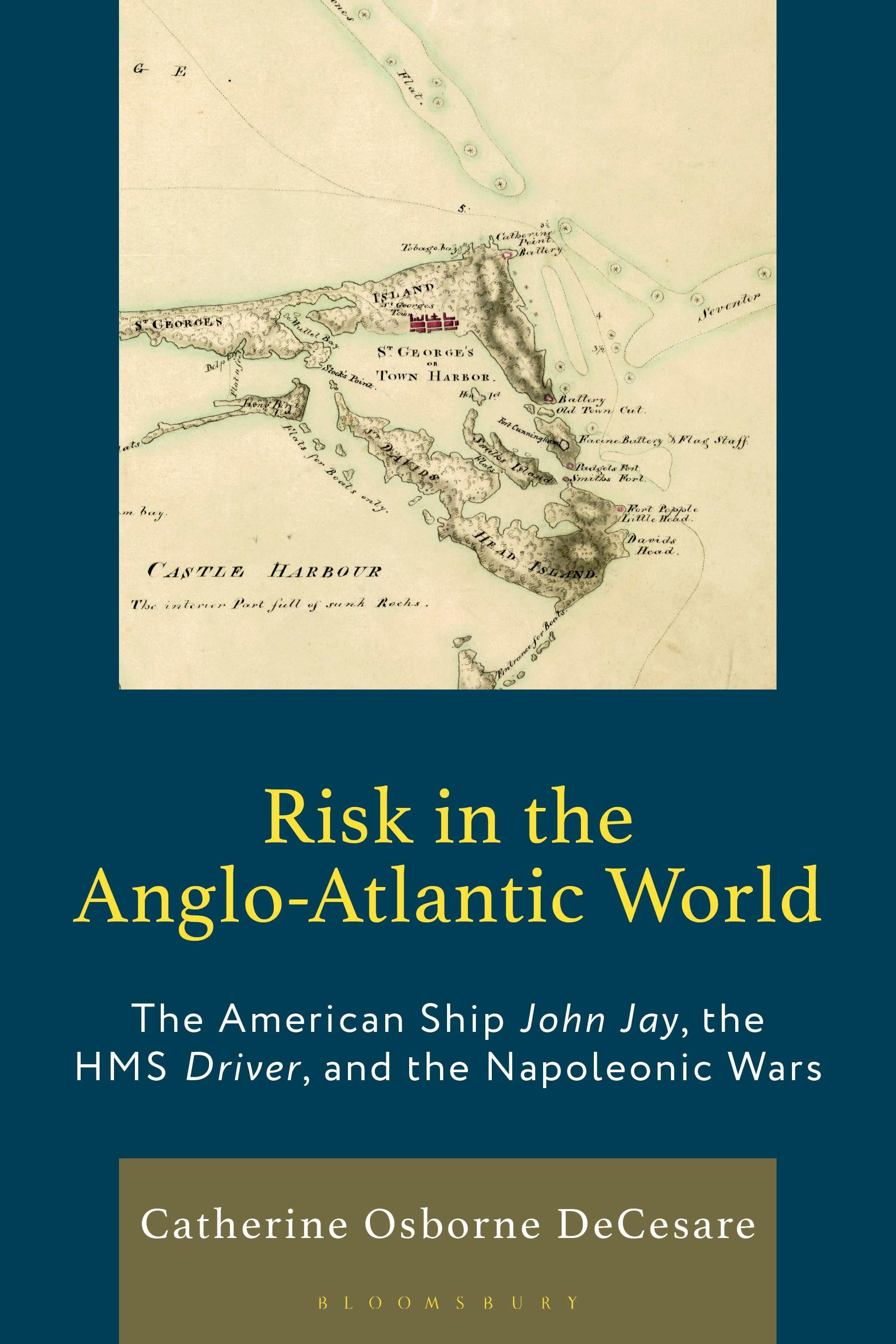
Using the experiences of the American ship, John Jay, and the British warship HMS Driver, this book recounts the various hazards faced by U.S. neutral trade vessels during the Napoleonic Wars.
The John Jay's sixth voyage (1804-1806) serves as a conduit to examine political and legal issues faced by United States neutral vessels navigating uncertain seas made worse by the volatility of the Napoleonic Wars. While the Driver and the John Jay reflected their respective nation's perspectives and identity, together they illustrate the ambiguities of the times in which they sailed. Their actions, and the consequences of those actions, intentional and unintentional, represented continuity in the Anglo-Atlantic.
Situating the ship within the larger geopolitical world, Catherine Osborne DeCesare traces the history of the John Jay to demonstrate how Americans were impacted by the natural hazards of wind, weather, and water; by the economic difficulties of maritime trade during wartime; and by the complexity and ambiguity of domestic policy, international relations, and war. The global conflict between Britain and France led to the seizure of the John Jay as a prize of war, the subsequent Vice Admiralty case in Bermuda, and an appeal to the High Court of Admiralty in London. This work makes visible the struggles and risks faced by ordinary people during the nineteenth century. Although the U.S. broke its imperial ties with Britain, this history illustrates continuity in the Anglo-Atlantic World.
The John Jay's sixth voyage (1804-1806) serves as a conduit to examine political and legal issues faced by United States neutral vessels navigating uncertain seas made worse by the volatility of the Napoleonic Wars. While the Driver and the John Jay reflected their respective nation's perspectives and identity, together they illustrate the ambiguities of the times in which they sailed. Their actions, and the consequences of those actions, intentional and unintentional, represented continuity in the Anglo-Atlantic.
Situating the ship within the larger geopolitical world, Catherine Osborne DeCesare traces the history of the John Jay to demonstrate how Americans were impacted by the natural hazards of wind, weather, and water; by the economic difficulties of maritime trade during wartime; and by the complexity and ambiguity of domestic policy, international relations, and war. The global conflict between Britain and France led to the seizure of the John Jay as a prize of war, the subsequent Vice Admiralty case in Bermuda, and an appeal to the High Court of Admiralty in London. This work makes visible the struggles and risks faced by ordinary people during the nineteenth century. Although the U.S. broke its imperial ties with Britain, this history illustrates continuity in the Anglo-Atlantic World.
Betaal eenvoudig met kaart, Klarna, Apple Pay of Google Pay. Niet tevreden? Je hebt altijd 14 dagen bedenktijd. Lees meer in onze voorwaarden. Heb je vragen, mail ons dan via hello@memmo.org.
Memmo maakt studeren makkelijker – waar je ook bent ter wereld. Wij brengen je cursusboeken en slimme studietools samen op één plek: samenvattingen, quizzen, podcasts en flashcards. En Ted, je studievriend die antwoord geeft op alles wat je je afvraagt. Meer dan 50.000 studenten studeren hier al – gebouwd om je sneller te laten leren en minder stress te geven.