
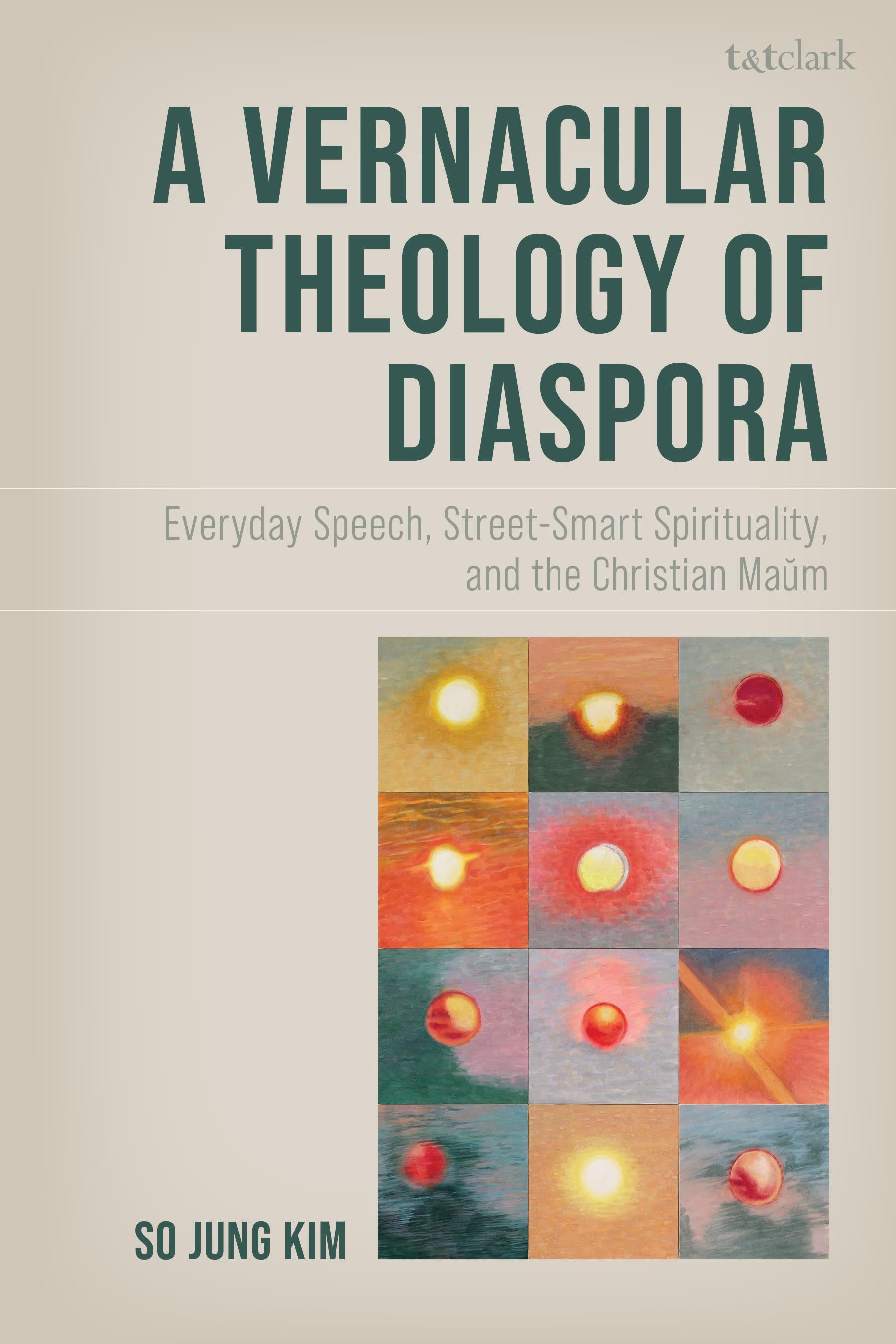
This book explores how language-in-use shapes the soul, identity, and spirituality of Asian American Christian women in diaspora, focusing on the theological and semiotic significance of language.
In employing an interdisciplinary framework cutting across Christian theology, linguistic anthropology, and feminist theory, the author suggests the concept of street-smart spirituality-a form of everyday mysticism embodied in vernacular speech acts. Focusing on the Korean term maum (heart–mind–soul), the book argues that everyday utterances, gestures, and vocal practices convey qualia-textured signs of internal experience-that articulate Christian subjectivity beyond institutional orders or dominant linguistic norms. Tracing the rhetorical tradition of sermo humilis and vernacularity from Augustine to Dante, and placing it in conversation with Marguerite Porete and Yi Suni, the book reveals how Christian vernaculars have functioned as vehicles of resistance, intimacy, and transformation. In grappling with the racialized demands of “standard” American English, this work affirms the power of fragile, diasporic, and accented speech as a site of divine encounter and theological agency. The book invites readers to rethink what makes language “Christian,” what renders a person “American enough,” and how voice becomes a sacred medium of becoming.
In employing an interdisciplinary framework cutting across Christian theology, linguistic anthropology, and feminist theory, the author suggests the concept of street-smart spirituality-a form of everyday mysticism embodied in vernacular speech acts. Focusing on the Korean term maum (heart–mind–soul), the book argues that everyday utterances, gestures, and vocal practices convey qualia-textured signs of internal experience-that articulate Christian subjectivity beyond institutional orders or dominant linguistic norms. Tracing the rhetorical tradition of sermo humilis and vernacularity from Augustine to Dante, and placing it in conversation with Marguerite Porete and Yi Suni, the book reveals how Christian vernaculars have functioned as vehicles of resistance, intimacy, and transformation. In grappling with the racialized demands of “standard” American English, this work affirms the power of fragile, diasporic, and accented speech as a site of divine encounter and theological agency. The book invites readers to rethink what makes language “Christian,” what renders a person “American enough,” and how voice becomes a sacred medium of becoming.
Betaal eenvoudig met kaart, Klarna, Apple Pay of Google Pay. Niet tevreden? Je hebt altijd 14 dagen bedenktijd. Lees meer in onze voorwaarden. Heb je vragen, mail ons dan via hello@memmo.org.
Memmo maakt studeren makkelijker – waar je ook bent ter wereld. Wij brengen je cursusboeken en slimme studietools samen op één plek: samenvattingen, quizzen, podcasts en flashcards. En Ted, je studievriend die antwoord geeft op alles wat je je afvraagt. Meer dan 50.000 studenten studeren hier al – gebouwd om je sneller te laten leren en minder stress te geven.