
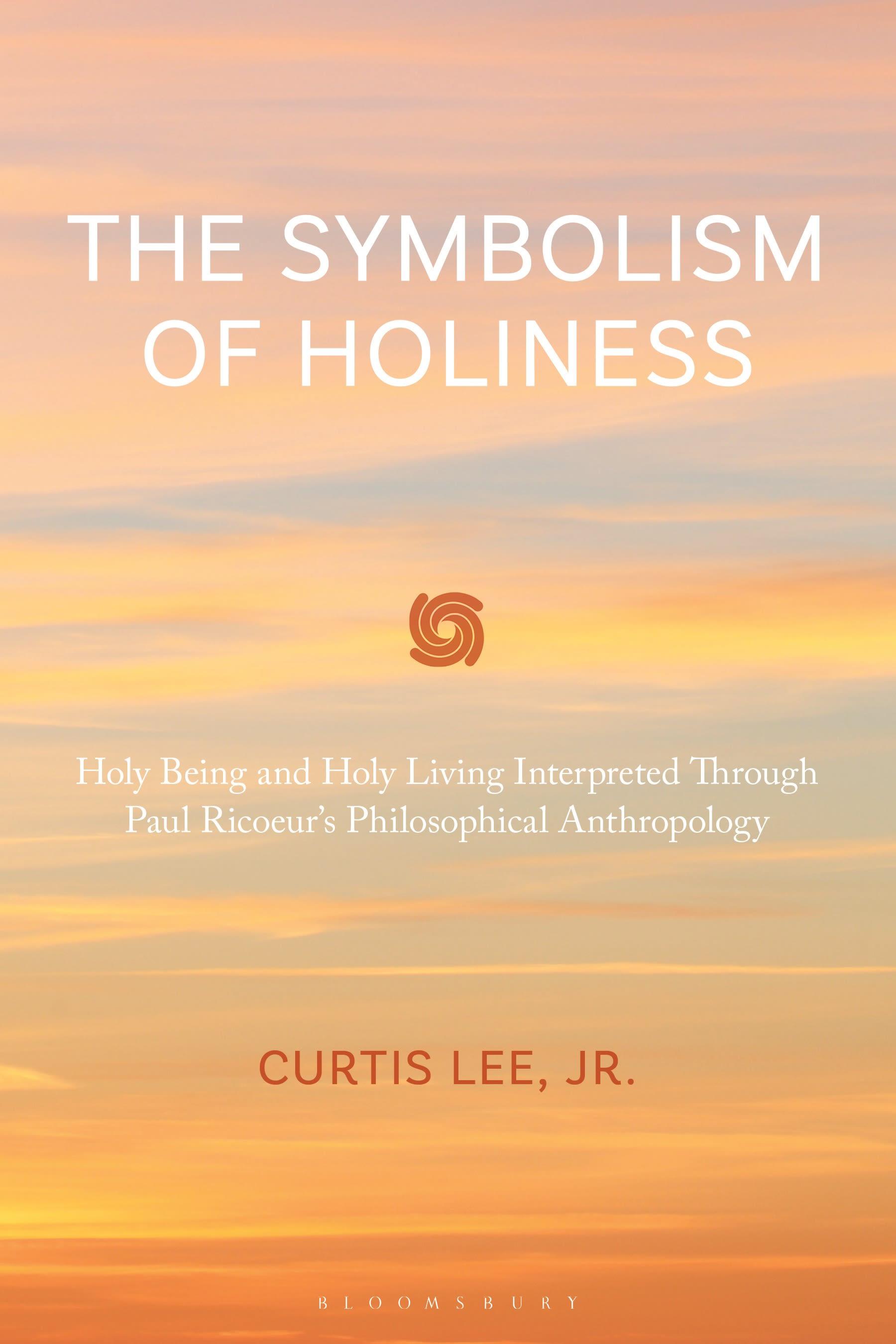
Through a reading of Paul Ricoeur's hermeneutics, this book explores how Judeo-Christian holiness emerges in both being and doing in the lives of human persons in a postmodern world.
Both the Old and New Testament testify that God requires holiness, yet the topic remains elusive in both understanding and actuality. Ricoeur offers a solution to this dilemma; he believed that experiences of evil and the sacred cannot be communicated directly, but only through symbols and myth. In the same way that Ricoeur interpreted the human experience of evil in relation to the Fall story in Genesis, this book interprets holiness through the symbolism communicated in the Genesis Creation narrative. When interpreted through Ricoeur's hermeneutics, the symbols of holiness in this story offer tools to understand how to be holy and live a holy life. What results is holiness as holy being, holy doing, and holy being-in-the-world in front of the biblical texts. Holiness emerges “like God,” a holy identity, ethic, and lifestyle in human beings that reflects the trifold holiness of the Triune God.
Both the Old and New Testament testify that God requires holiness, yet the topic remains elusive in both understanding and actuality. Ricoeur offers a solution to this dilemma; he believed that experiences of evil and the sacred cannot be communicated directly, but only through symbols and myth. In the same way that Ricoeur interpreted the human experience of evil in relation to the Fall story in Genesis, this book interprets holiness through the symbolism communicated in the Genesis Creation narrative. When interpreted through Ricoeur's hermeneutics, the symbols of holiness in this story offer tools to understand how to be holy and live a holy life. What results is holiness as holy being, holy doing, and holy being-in-the-world in front of the biblical texts. Holiness emerges “like God,” a holy identity, ethic, and lifestyle in human beings that reflects the trifold holiness of the Triune God.
Betaal eenvoudig met kaart, Klarna, Apple Pay of Google Pay. Niet tevreden? Je hebt altijd 14 dagen bedenktijd. Lees meer in onze voorwaarden. Heb je vragen, mail ons dan via hello@memmo.org.
Memmo maakt studeren makkelijker – waar je ook bent ter wereld. Wij brengen je cursusboeken en slimme studietools samen op één plek: samenvattingen, quizzen, podcasts en flashcards. En Ted, je studievriend die antwoord geeft op alles wat je je afvraagt. Meer dan 50.000 studenten studeren hier al – gebouwd om je sneller te laten leren en minder stress te geven.