
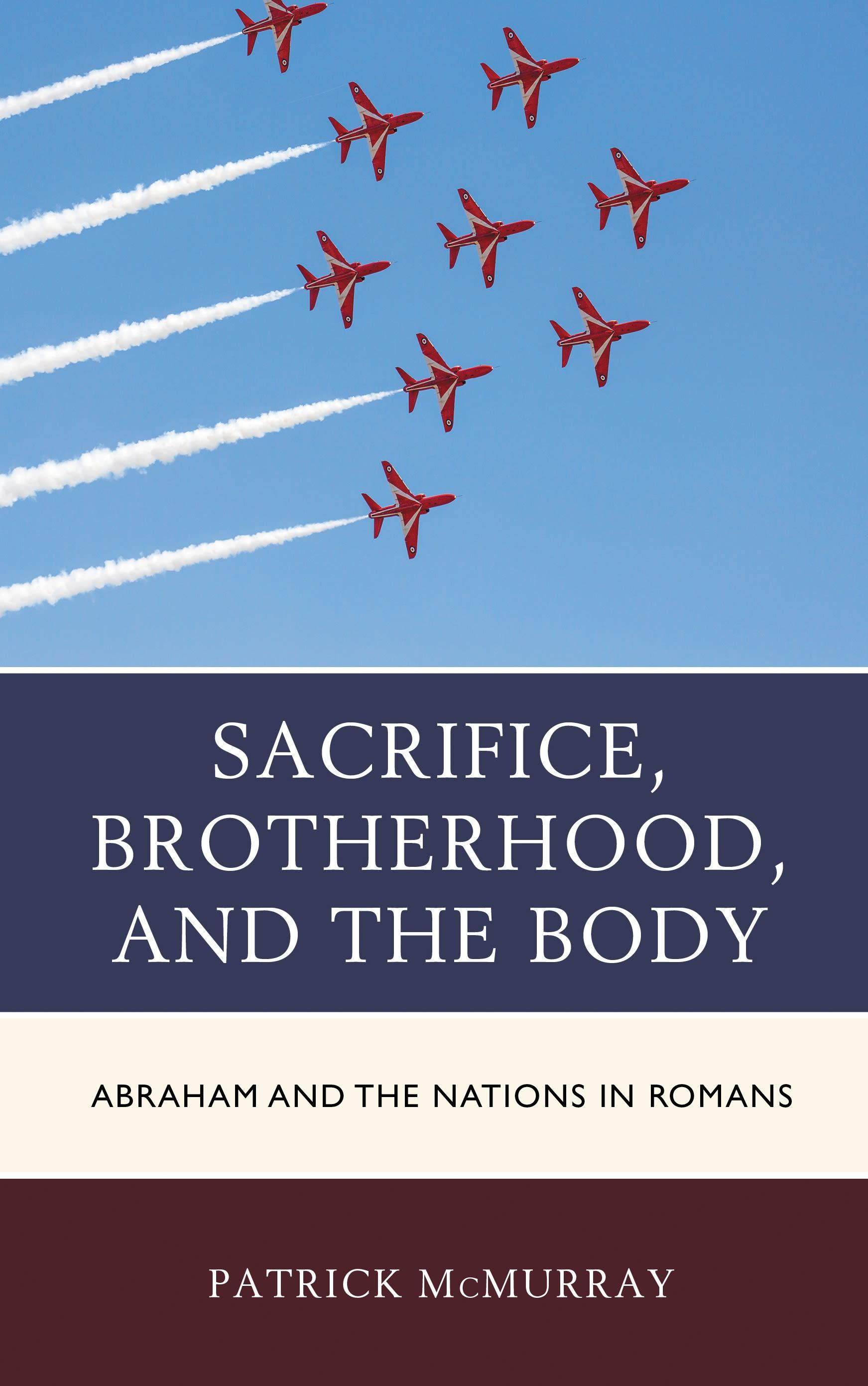
Sacrifice, Brotherhood, and the Body: Abraham and the Nations in Romans radically reassesses Paul’s use of sacrificial language in light of new developments in our understanding of sacrifice, particularly with regard to its construction of kinship groups. Patrick McMurray argues that Jesus’ death is not presented in sacrificial terms within Romans—rather, Paul’s key invocation of sacrifice comes in 12:1 as applied to the living sacrifice of the gentiles. Here Paul’s pairing of sacrifice with brotherhood builds on his earlier discussion of the Abrahamic lineage and brotherhood with Christ, with this familial membership being ratified and delivered by the living sacrifice of the gentiles themselves. As such, the ethnic and familial function of sacrifice is harnessed by Paul to bring God’s promise to Abraham to fruition, with the gentiles entering the Abrahamic lineage alongside their new brothers the Israelites. Notably, the promise explicitly requires plurality and therefore ethnic variegation within Abraham’s lineage. This new familial membership is profoundly transformative— the consequent influx of the spirit empowering the gentiles to live new lives of love that will fulfill the law (13:8 –10). In Romans, therefore, Christ frees the gentiles and then becomes their brother, facilitating their entry into Abraham’s lineage, thereby bringing the promise to fruition and fulfilling the law.
Betaal eenvoudig met kaart, Klarna, Apple Pay of Google Pay. Niet tevreden? Je hebt altijd 14 dagen bedenktijd. Lees meer in onze voorwaarden. Heb je vragen, mail ons dan via hello@memmo.org.
Memmo maakt studeren makkelijker – waar je ook bent ter wereld. Wij brengen je cursusboeken en slimme studietools samen op één plek: samenvattingen, quizzen, podcasts en flashcards. En Ted, je studievriend die antwoord geeft op alles wat je je afvraagt. Meer dan 50.000 studenten studeren hier al – gebouwd om je sneller te laten leren en minder stress te geven.