
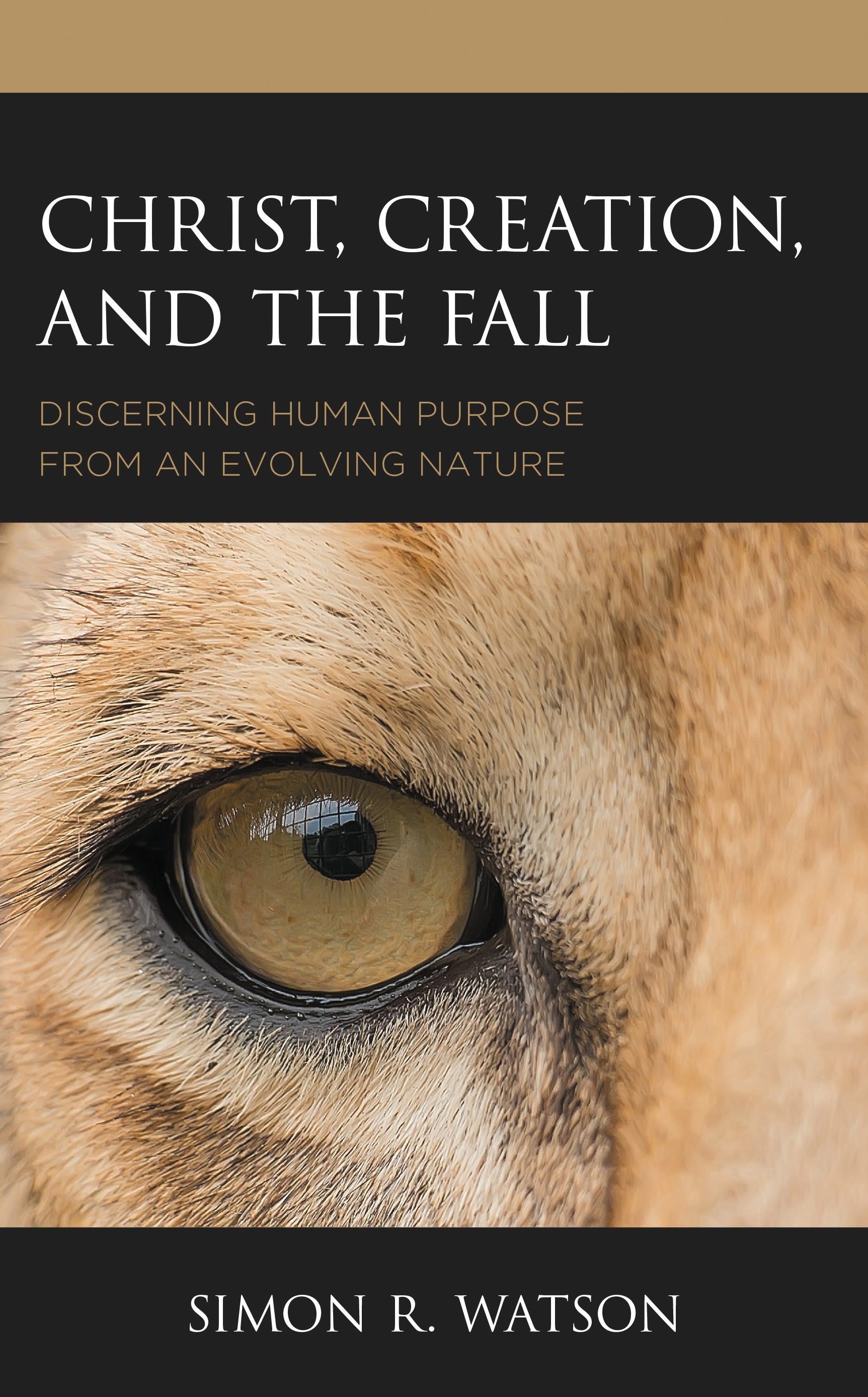
If the Christian God is creator of all things and revealed in Christ to be compassionate love, then how can divine agency in creation be understood considering the Darwinian assertion that biological warfare undergirds natural selection? The implications are significant for understanding Christian discipleship and ethics if indeed the human is made in God’s image with the capacity for creative or destructive “dominion” over earthly life (Gen. 1:26). To approach this challenge, Simon R. Watson turns to Philip Hefner’s The Human Factor (1993), which identifies the human as created co-creator to investigate themes of freedom and determinism in light of Darwinian evolutionary theory. Hefner’s argument exploring human purpose from a beneficence discernible in creation invites a re-examination of Victorian preoccupations with natural teleology. Inspired by Hefner’s work, Watson places Darwin’s The Descent of Man (1871) in conversation with historical and contemporary sources, from William Paley’s Natural Theology (1802) to twenty-first century articulations of Wisdom Christology by Denis Edwards and Elizabeth Johnson, to argue that theology can offer a framework of meaning to interpret an evolving nature as revelatory of a Christian God when considered through the lens of a suffering Christ and an existentially fallen creation.
Betaal eenvoudig met kaart, Klarna, Apple Pay of Google Pay. Niet tevreden? Je hebt altijd 14 dagen bedenktijd. Lees meer in onze voorwaarden. Heb je vragen, mail ons dan via hello@memmo.org.
Memmo maakt studeren makkelijker – waar je ook bent ter wereld. Wij brengen je cursusboeken en slimme studietools samen op één plek: samenvattingen, quizzen, podcasts en flashcards. En Ted, je studievriend die antwoord geeft op alles wat je je afvraagt. Meer dan 50.000 studenten studeren hier al – gebouwd om je sneller te laten leren en minder stress te geven.