
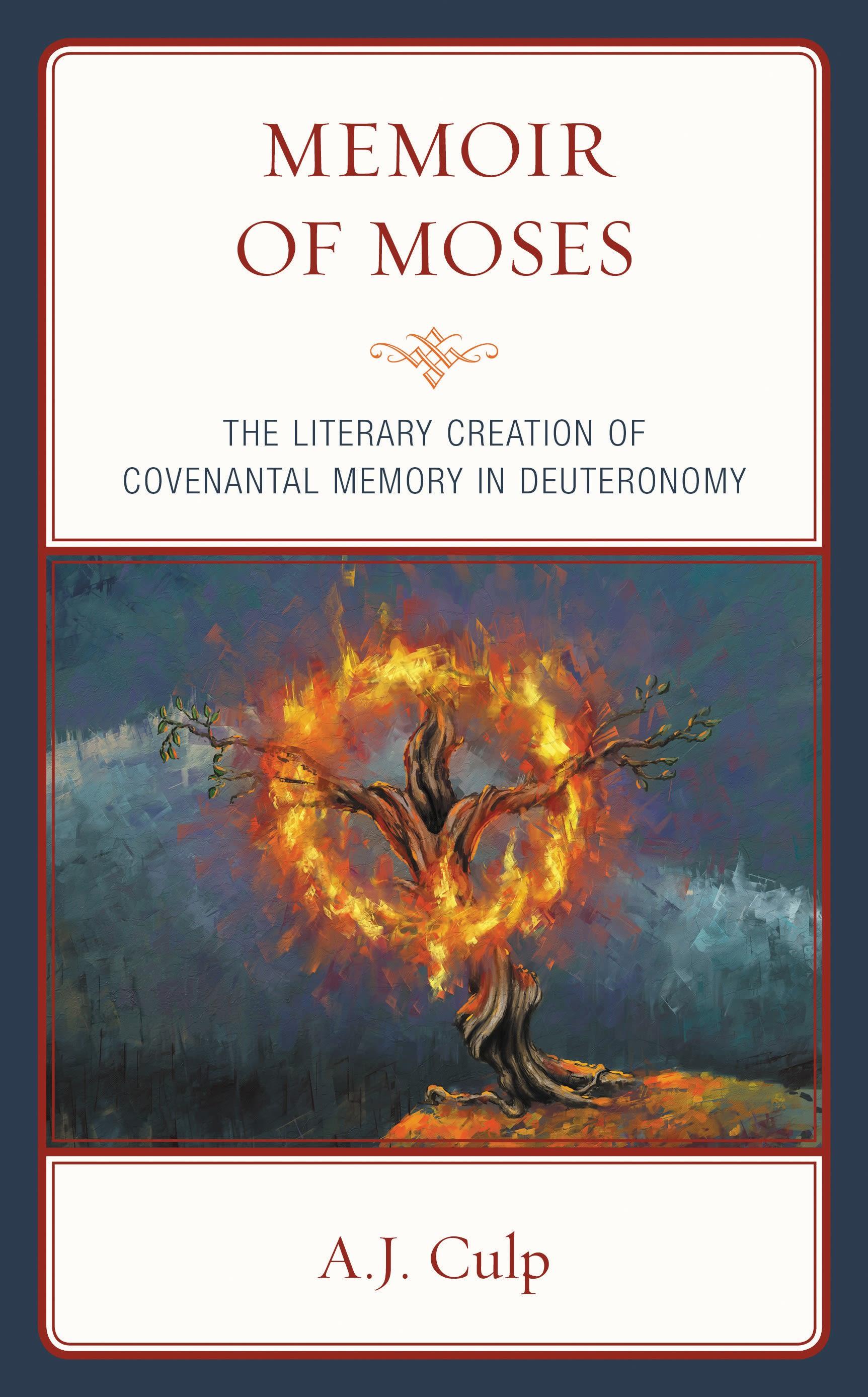
Deuteronomy characterizes memory as the key to Israel’s covenantal loyalty and commands its cultivation in the generations to come, and the book portrays itself as the foundation for this ongoing memory program. For this reason, Deuteronomy is considered to be an ancient collective memory text. However, recent scholarship has not focused on the book as a formative agent, leaving fundamental questions about the book unanswered: Why does Deuteronomy see memory as important in the first place? How does it seek to cultivate this memory in the people?
A. J. Culp answers these questions by exploring Deuteronomy as a formative memory text and bringing contemporary memory theory into dialogue with biblical scholarship.Culp shows that Deuteronomy has tailored memory to its unique theology and purposes, a fact that both illuminates puzzling aspects of the text and challenges long-held views in scholarship, such as those regarding aniconism.
A. J. Culp answers these questions by exploring Deuteronomy as a formative memory text and bringing contemporary memory theory into dialogue with biblical scholarship.Culp shows that Deuteronomy has tailored memory to its unique theology and purposes, a fact that both illuminates puzzling aspects of the text and challenges long-held views in scholarship, such as those regarding aniconism.
Betaal eenvoudig met kaart, Klarna, Apple Pay of Google Pay. Niet tevreden? Je hebt altijd 14 dagen bedenktijd. Lees meer in onze voorwaarden. Heb je vragen, mail ons dan via hello@memmo.org.
Memmo maakt studeren makkelijker – waar je ook bent ter wereld. Wij brengen je cursusboeken en slimme studietools samen op één plek: samenvattingen, quizzen, podcasts en flashcards. En Ted, je studievriend die antwoord geeft op alles wat je je afvraagt. Meer dan 50.000 studenten studeren hier al – gebouwd om je sneller te laten leren en minder stress te geven.