
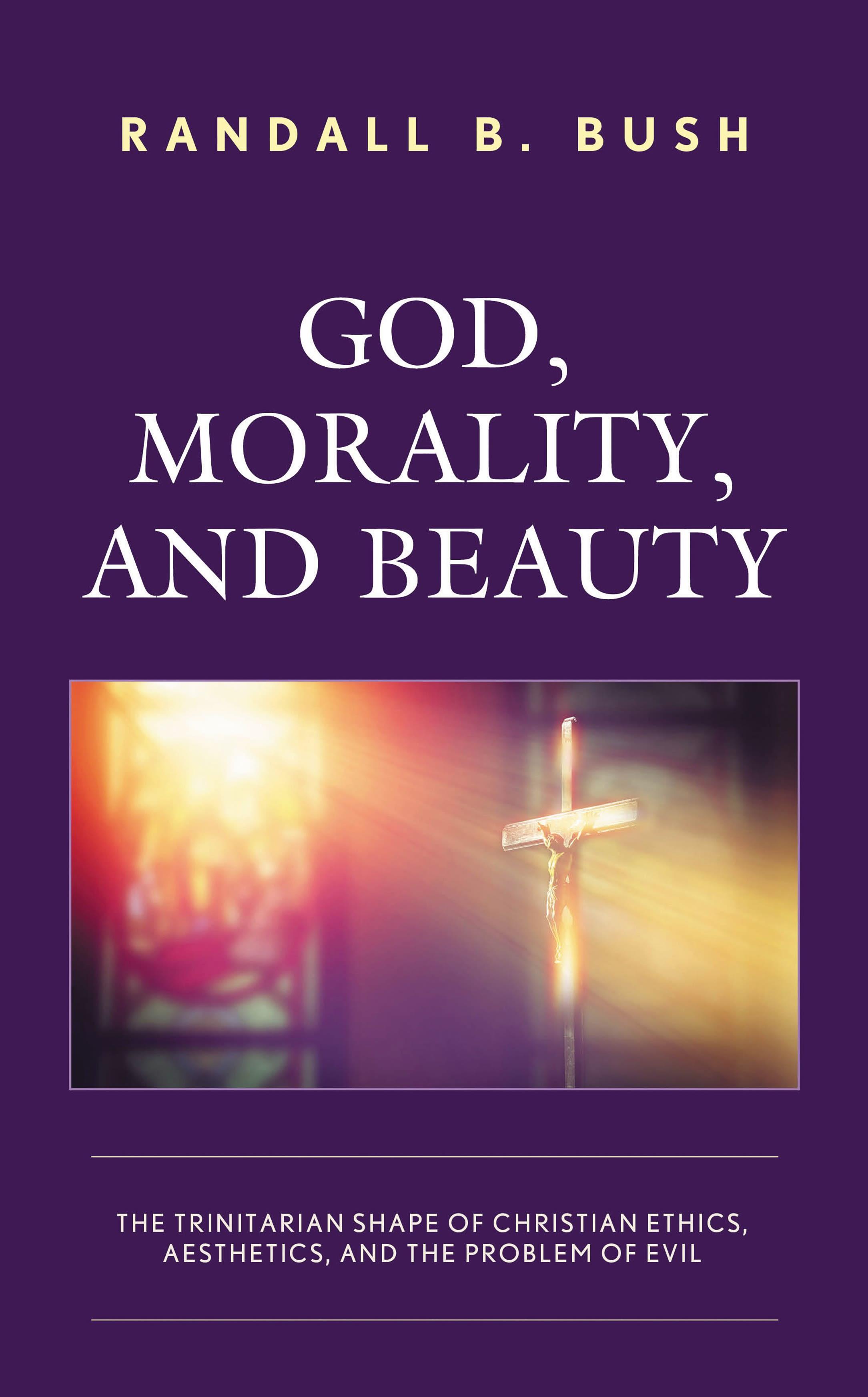
Randall B. Bush analyzes the ways unacknowledged axiological assumptions (e.g., about what is important, why human beings are valuing creatures, and where the capacity to value comes from) prejudice the perspectives and approaches of various academic disciplines, especially in the social sciences and the humanities. The disciplines of ethics and aesthetics provide the most useful tools for a philosophy of value, but academic overspecialization has compartmentalized and segregated these disciplines from others, threatening to unravel the unity of conceptions of the moral and the beautiful in human existence. Bush argues that a dialectical approach to conflicts between ethics and aesthetics can point to a broader, axiological vision––informed by a Trinitarian conception of reality––in which the whole, a coherent theory of value, is more than the sum of its parts.
Betaal eenvoudig met kaart, Klarna, Apple Pay of Google Pay. Niet tevreden? Je hebt altijd 14 dagen bedenktijd. Lees meer in onze voorwaarden. Heb je vragen, mail ons dan via hello@memmo.org.
Memmo maakt studeren makkelijker – waar je ook bent ter wereld. Wij brengen je cursusboeken en slimme studietools samen op één plek: samenvattingen, quizzen, podcasts en flashcards. En Ted, je studievriend die antwoord geeft op alles wat je je afvraagt. Meer dan 50.000 studenten studeren hier al – gebouwd om je sneller te laten leren en minder stress te geven.