
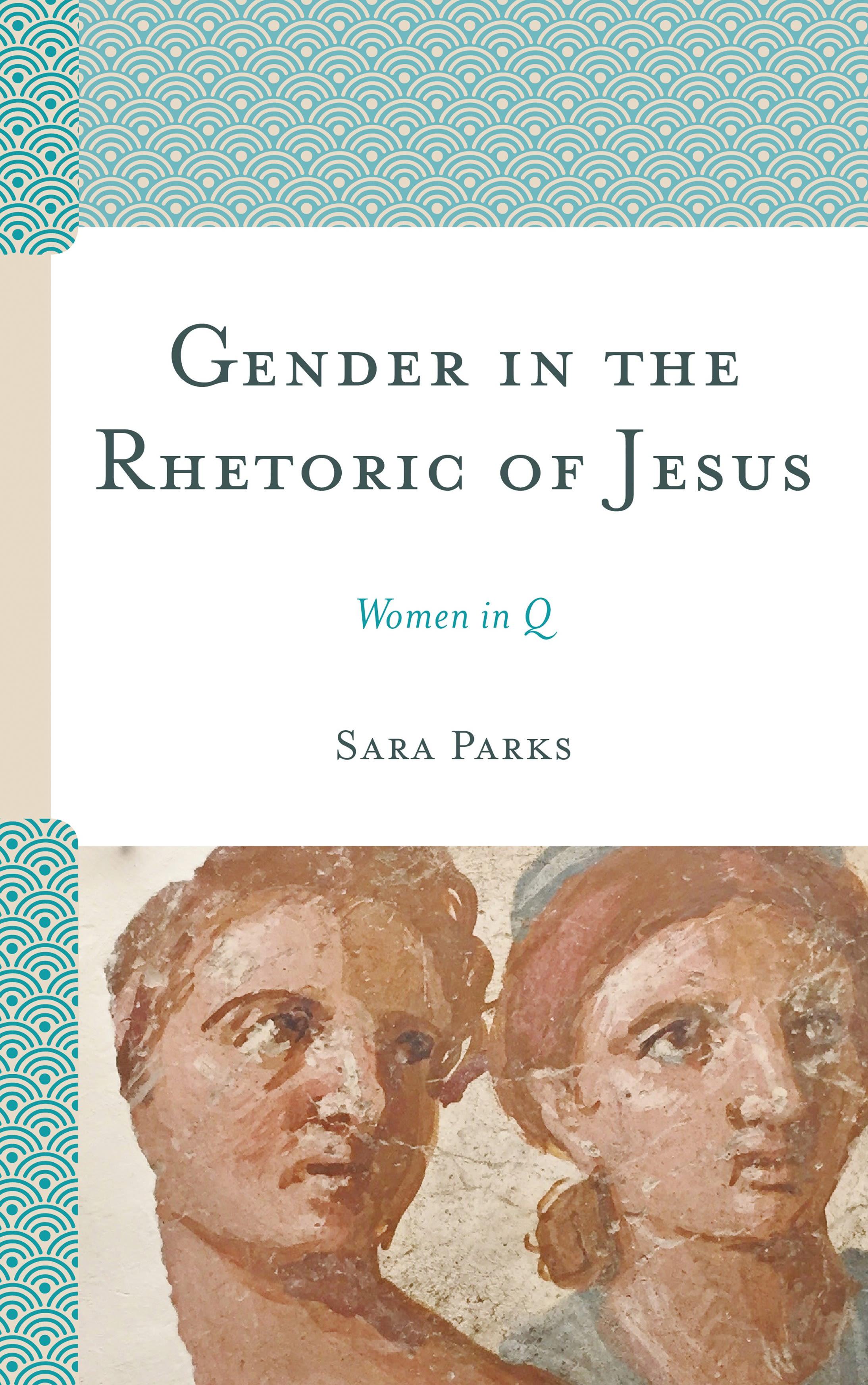
Examining the hypothetical earliest layer of Jesus’ sayings known as Q, Sara Parks argues that Jesus deliberately crafted parabolic teachings regarding the basileia of God to appeal to both male and female adherents. For a century after Q, vestiges of gender-paired teachings popped up in multiple independent texts related to Jesus, from Mark to Paul to the Synoptics and John—making it more likely that this inclusion of women originated with Jesus himself. In Gender and the Rhetoric of Jesus, Parks engages the divided scholarship on the meaning of gendered pairs for an evaluation of the gender politics of Q, arguing that even though Q’s peculiar rhetoric of gender equality was an innovation, it was also a product of its time, as evidenced in other contemporaneous texts which struggled with ambiguous equalities, from Philo to Musonius Rufus to Joseph and Aseneth. In addition, she shows that Jesus’ rhetoric of gender, as remembered in Q constitutes some of the earliest evidence for the study of first-century Jewish women, and women in Christian origins.
Betaal eenvoudig met kaart, Klarna, Apple Pay of Google Pay. Niet tevreden? Je hebt altijd 14 dagen bedenktijd. Lees meer in onze voorwaarden. Heb je vragen, mail ons dan via hello@memmo.org.
Memmo maakt studeren makkelijker – waar je ook bent ter wereld. Wij brengen je cursusboeken en slimme studietools samen op één plek: samenvattingen, quizzen, podcasts en flashcards. En Ted, je studievriend die antwoord geeft op alles wat je je afvraagt. Meer dan 50.000 studenten studeren hier al – gebouwd om je sneller te laten leren en minder stress te geven.