
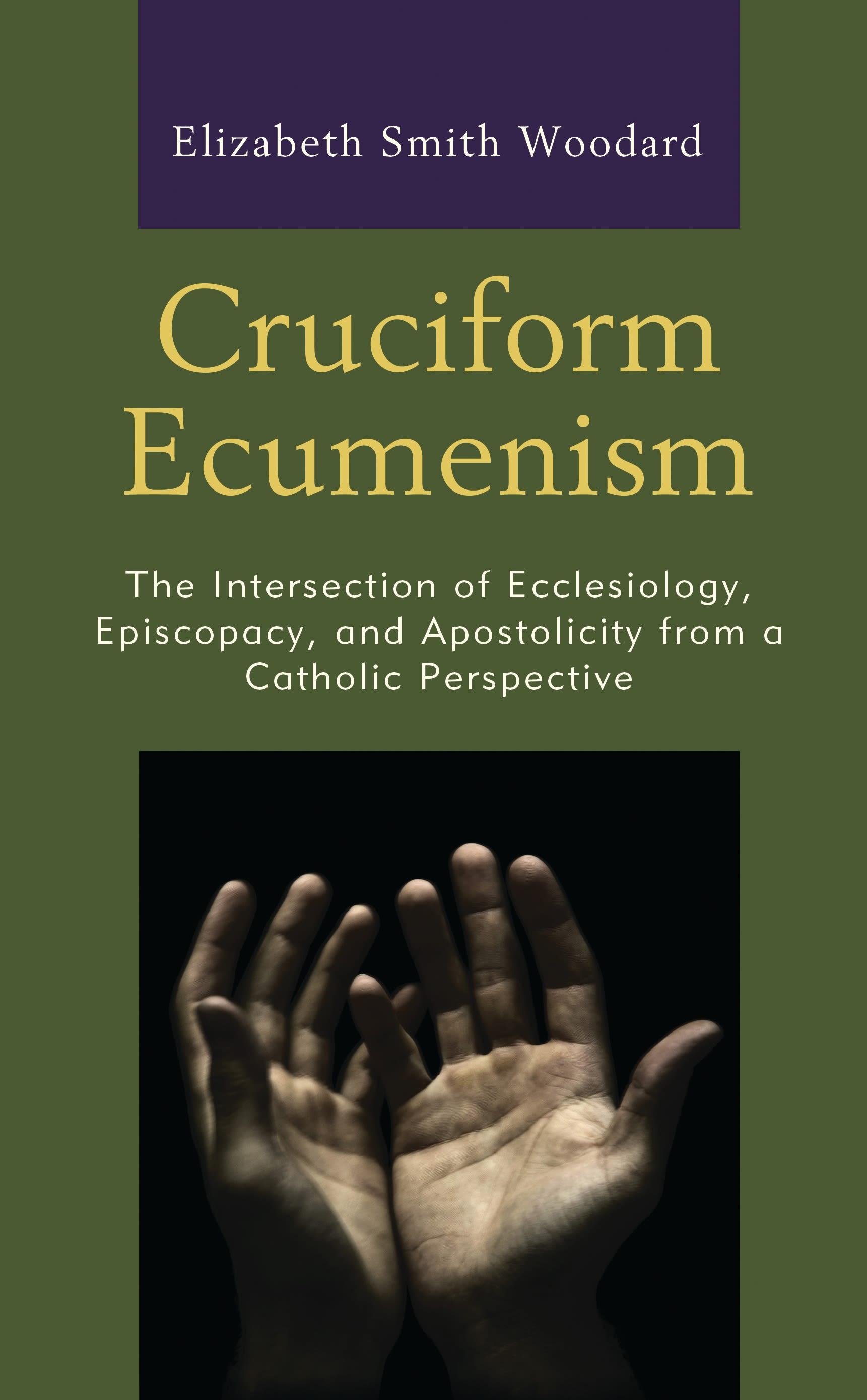
The truth claims of Christianity appear compromised by the division of Christ’s followers into different denominations. What keeps Christians separated, retreating to their corners labeled Catholic, Orthodox, and various types of Protestant? Elizabeth Smith Woodard accounts for Christian disunity in terms of ecclesiology, episcopacy, and apostolicity: in brief, Who are we? Who is in charge? And are we who we say we are? Woodard argues that the controversial issues dividing Christians today stem from these questions of authority and identity. What would it look like, Woodard asks, if Christians did not insist on making “others” more “like us,” but instead worked toward all of “us” becoming more and more like Christ? She answers that growing in such cruciformity should serve as the basis for unity. Using recent unity-achieving Anglican-Lutheran discussions as a case study, she examines the crucial intersection of ecclesiology, episcopacy, and apostolicity to argue that Christians’ growth in Christ’s mission necessarily entails growing in unity and cruciformity.
Betaal eenvoudig met kaart, Klarna, Apple Pay of Google Pay. Niet tevreden? Je hebt altijd 14 dagen bedenktijd. Lees meer in onze voorwaarden. Heb je vragen, mail ons dan via hello@memmo.org.
Memmo maakt studeren makkelijker – waar je ook bent ter wereld. Wij brengen je cursusboeken en slimme studietools samen op één plek: samenvattingen, quizzen, podcasts en flashcards. En Ted, je studievriend die antwoord geeft op alles wat je je afvraagt. Meer dan 50.000 studenten studeren hier al – gebouwd om je sneller te laten leren en minder stress te geven.