
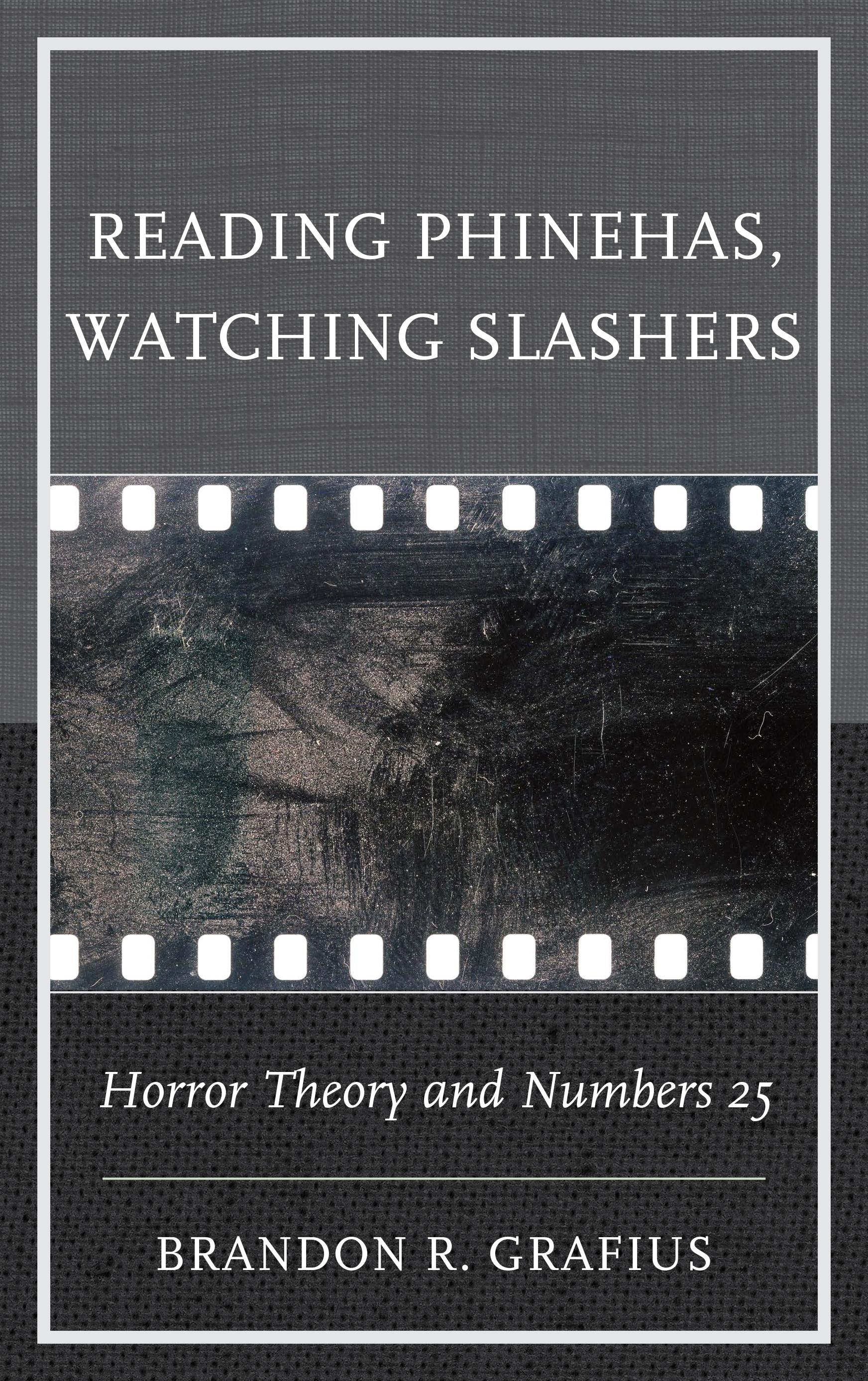
The tale of the “zeal” of Phineas, expressed when he killed an Israelite man and a Midianite woman having sex and thus stopped a “plague” of consorting with idolatrous neighbors in the Israelite camp (Numbers 25), has long attracted both interest and revulsion. Scholars have sought to defend the account, to explain it as pious fiction, or to protest its horrific violence. Brandon R. Grafius seeks to understand how the tale expresses the latent anxieties of the Israelite society that produced it, combining the insights of historical criticism with those of contemporary horror and monster theory. Grafius compares Israelite anxieties concerning ethnic boundaries and community organization with similar anxieties apparent in horror films of the 1980s, then finds confirmation for his method in the responses of Roman-period readers who reacted to the tale of Phineas as a tale of horror. The combination of methods allows Grafius to illumine the concern of an ancient priestly class to control unsettled and unsettling community boundaries??and to raise questions of implications for our own time.
Betaal eenvoudig met kaart, Klarna, Apple Pay of Google Pay. Niet tevreden? Je hebt altijd 14 dagen bedenktijd. Lees meer in onze voorwaarden. Heb je vragen, mail ons dan via hello@memmo.org.
Memmo maakt studeren makkelijker – waar je ook bent ter wereld. Wij brengen je cursusboeken en slimme studietools samen op één plek: samenvattingen, quizzen, podcasts en flashcards. En Ted, je studievriend die antwoord geeft op alles wat je je afvraagt. Meer dan 50.000 studenten studeren hier al – gebouwd om je sneller te laten leren en minder stress te geven.