
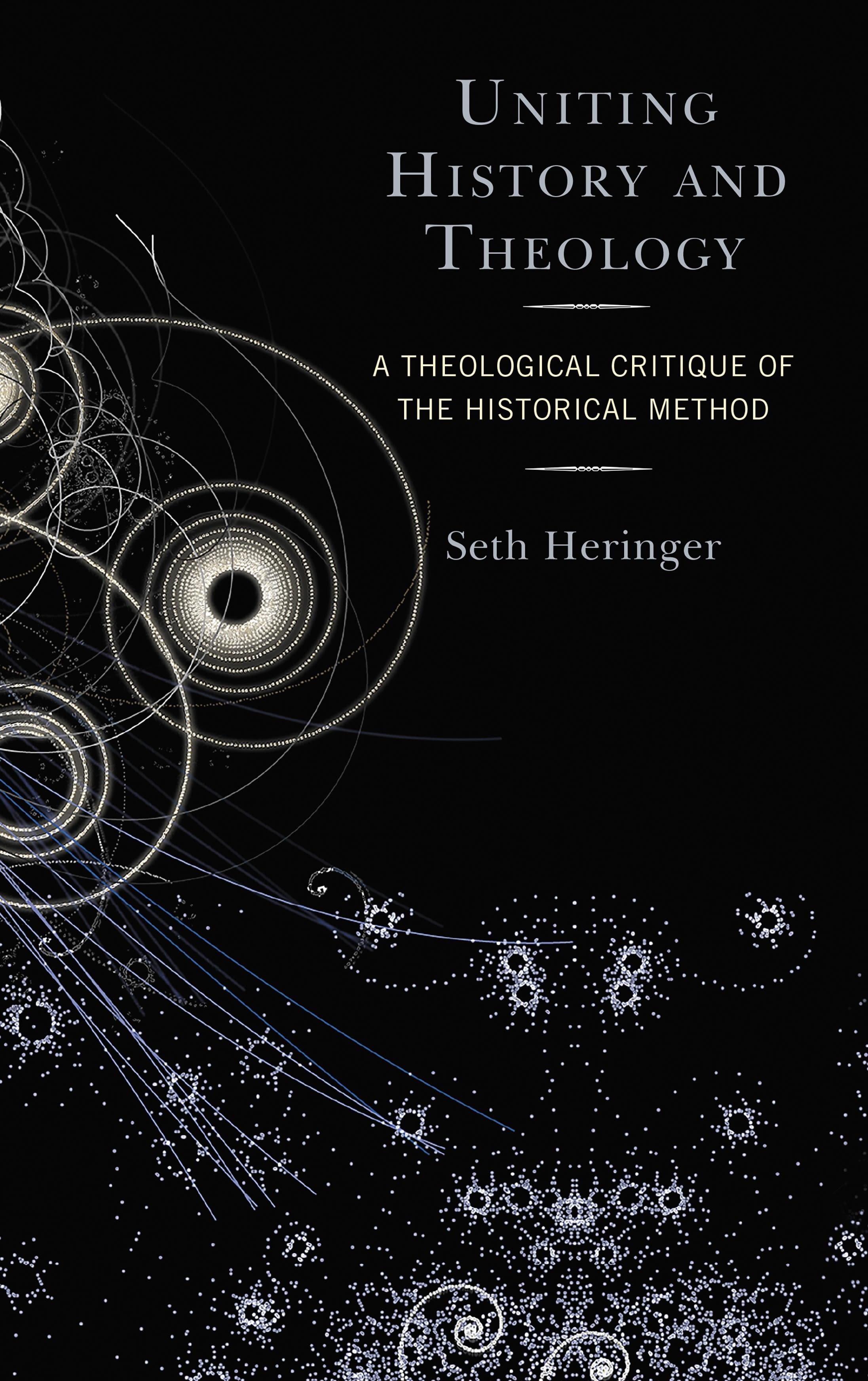
Uniting History and Theology argues that, for too long, Christians primarily have used the historical method to make historical claims. In doing so, they have used a method grounded in an incomplete understating of German historicism, thereby closing off investigation of the past from the aesthetic and God. The author contends that Martin Kähler, Wolfhart Pannenberg, and N. T. Wright have been unsuccessful in their attempts to unify history and theology because they have not yet rejected the historical method as the primary way to think about past events. Unsatisfied with the various mixtures of history and theology, the volume looks to the contemporary philosophy of history for new approaches. After having examined these approaches and their critiques of the current historical method, the work proposes that an intentionally Christian method is needed. Setting out five cairns that mark the path forward for such a method, the author argues that narratives must be taken seriously; objectivity and neutrality do not exist in historical accounts; historians must find ways to unite the past, present, and future; aesthetics should be used to judge historical narratives; and Christians should write boldly Christian history.
Betaal eenvoudig met kaart, Klarna, Apple Pay of Google Pay. Niet tevreden? Je hebt altijd 14 dagen bedenktijd. Lees meer in onze voorwaarden. Heb je vragen, mail ons dan via hello@memmo.org.
Memmo maakt studeren makkelijker – waar je ook bent ter wereld. Wij brengen je cursusboeken en slimme studietools samen op één plek: samenvattingen, quizzen, podcasts en flashcards. En Ted, je studievriend die antwoord geeft op alles wat je je afvraagt. Meer dan 50.000 studenten studeren hier al – gebouwd om je sneller te laten leren en minder stress te geven.