
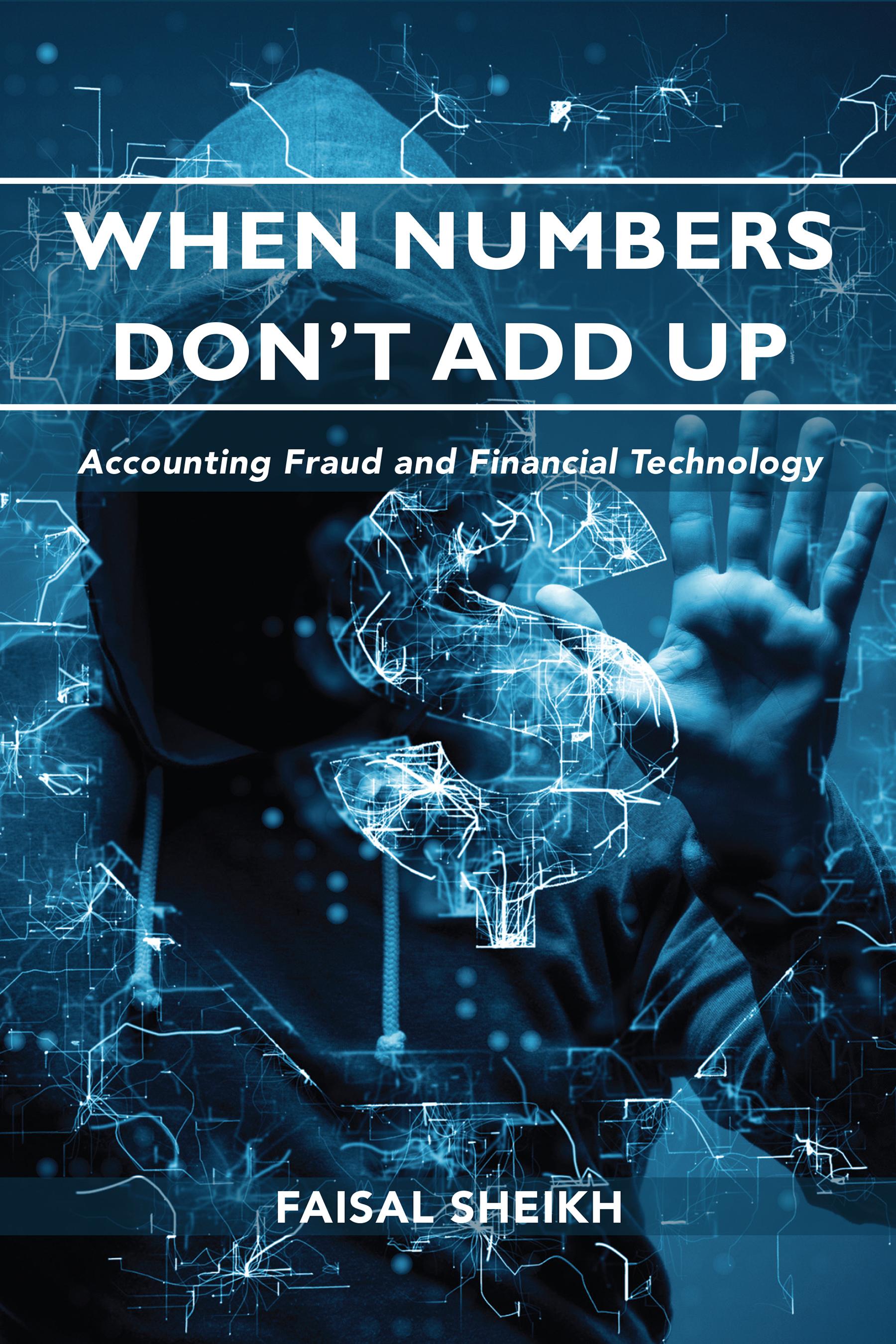
The author contextualized the phenomenon of accounting fraud using a framework he developed called “Corporate Governance Cosmos.” The book contains an extensive literature review including an evaluation of the seminal theory in this area, namely, the Fraud Triangle. There is a comprehensive exploration of the motivations for accounting fraud and a growing realization that Dark Triad (psychopathy, narcissism, and machiavellianism) tendencies may explain why executives engage in accounting fraud. The author expands an established framework entitled Cooks Recipes Incentives Monitoring End results (C R I M E) by Rezaee (2005), to ‘’C R I M E L’’, where L is the “Learning” from 33 international case studies of accounting fraud.
Accountants, auditors, antifraud practitioners, and graduate students will find the case studies of accounting fraud particularly useful as it makes the phenomenon tangible and more understandable. The penultimate chapter is a study of the likely impact of financial technology on accounting fraud.
The author concludes by marshalling various insights including a brief discussion of ethics, forwarding his International Code of Ethics for Professional Accountants (IFAC) ‘‘Ethical Triangle’’, his vision for the future accountant, which he refers to as ‘’accounting engineers’’, and an ancient prescription for the curse of accounting fraud.
Betaal eenvoudig met kaart, Klarna, Apple Pay of Google Pay. Niet tevreden? Je hebt altijd 14 dagen bedenktijd. Lees meer in onze voorwaarden. Heb je vragen, mail ons dan via hello@memmo.org.
Memmo maakt studeren makkelijker – waar je ook bent ter wereld. Wij brengen je cursusboeken en slimme studietools samen op één plek: samenvattingen, quizzen, podcasts en flashcards. En Ted, je studievriend die antwoord geeft op alles wat je je afvraagt. Meer dan 50.000 studenten studeren hier al – gebouwd om je sneller te laten leren en minder stress te geven.