
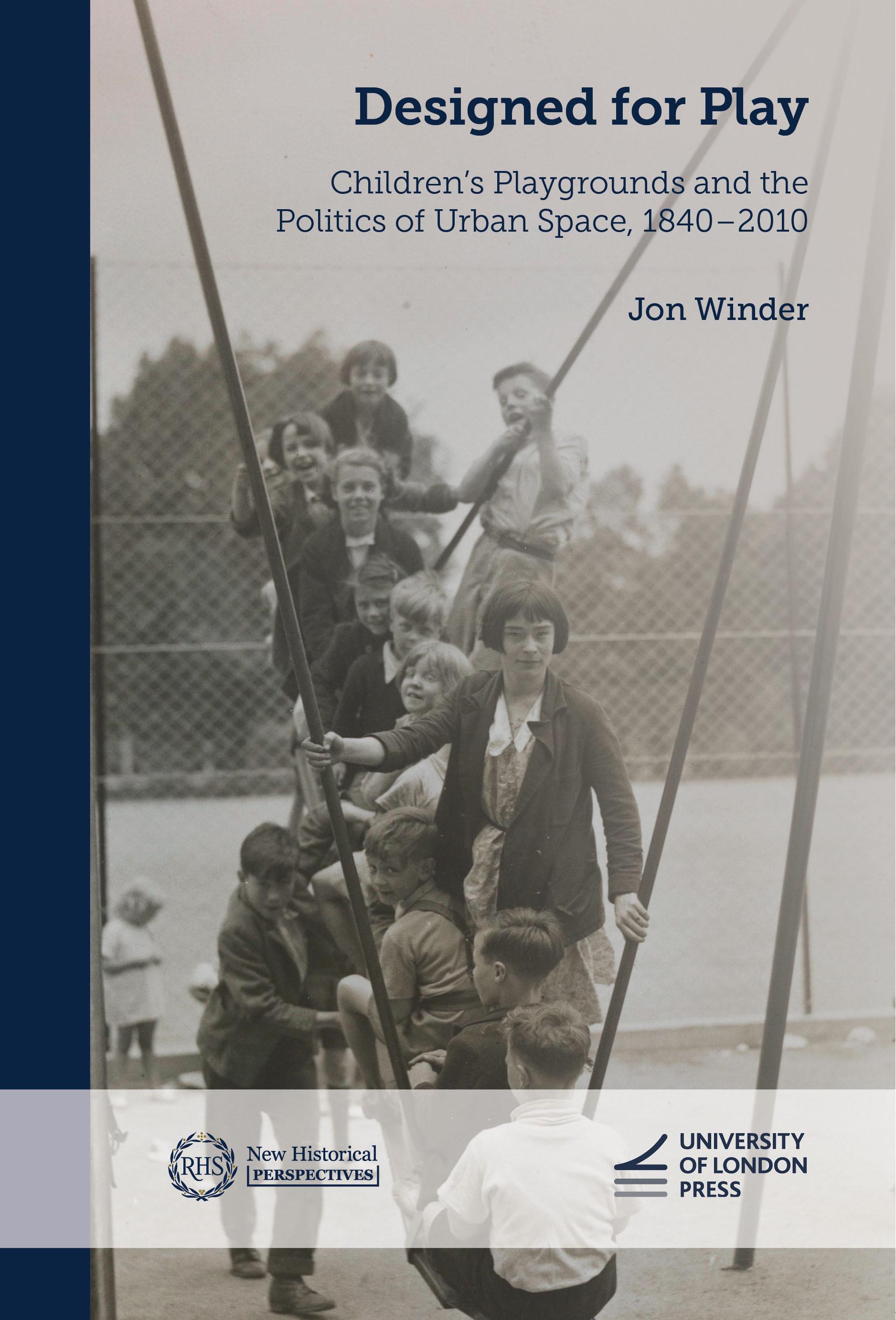
Children’s playgrounds are commonly understood as the obvious place for children to play: safe, natural and out of the way. But these expectations hide a convoluted and overlooked history of children’s place in public space – one shaped by implicit social, political and environmental values, and by government intervention in spaces and lives across the nineteenth and twentieth centuries. This book is the first empirically grounded historical account of the modern playground, drawing on the archival materials of social reformers, park superintendents, equipment manufacturers and architects in Britain and beyond to chart the playground’s journey from marginal obscurity to popular ubiquity. In exploring the evolution of play space design, the book shows that the ideal playground has long represented a space where changing conceptions of nature, health, childhood, commerce and technology have all been played out. It covers the development of garden gymnasiums in the 1890s, the influence of Charles Wicksteed, increasing standardisation in the interwar period, the impact of progressive education, pioneering female designers and the adventure playground movement in the twentieth century, and more recent challenges to the playground’s status as a site of health, nature and safety.
Designed for Play is an original and accessible contribution to modern British history, urban and environmental history, and histories and geographies of childhood.
Betaal eenvoudig met kaart, Klarna, Apple Pay of Google Pay. Niet tevreden? Je hebt altijd 14 dagen bedenktijd. Lees meer in onze voorwaarden. Heb je vragen, mail ons dan via hello@memmo.org.
Memmo maakt studeren makkelijker – waar je ook bent ter wereld. Wij brengen je cursusboeken en slimme studietools samen op één plek: samenvattingen, quizzen, podcasts en flashcards. En Ted, je studievriend die antwoord geeft op alles wat je je afvraagt. Meer dan 50.000 studenten studeren hier al – gebouwd om je sneller te laten leren en minder stress te geven.