
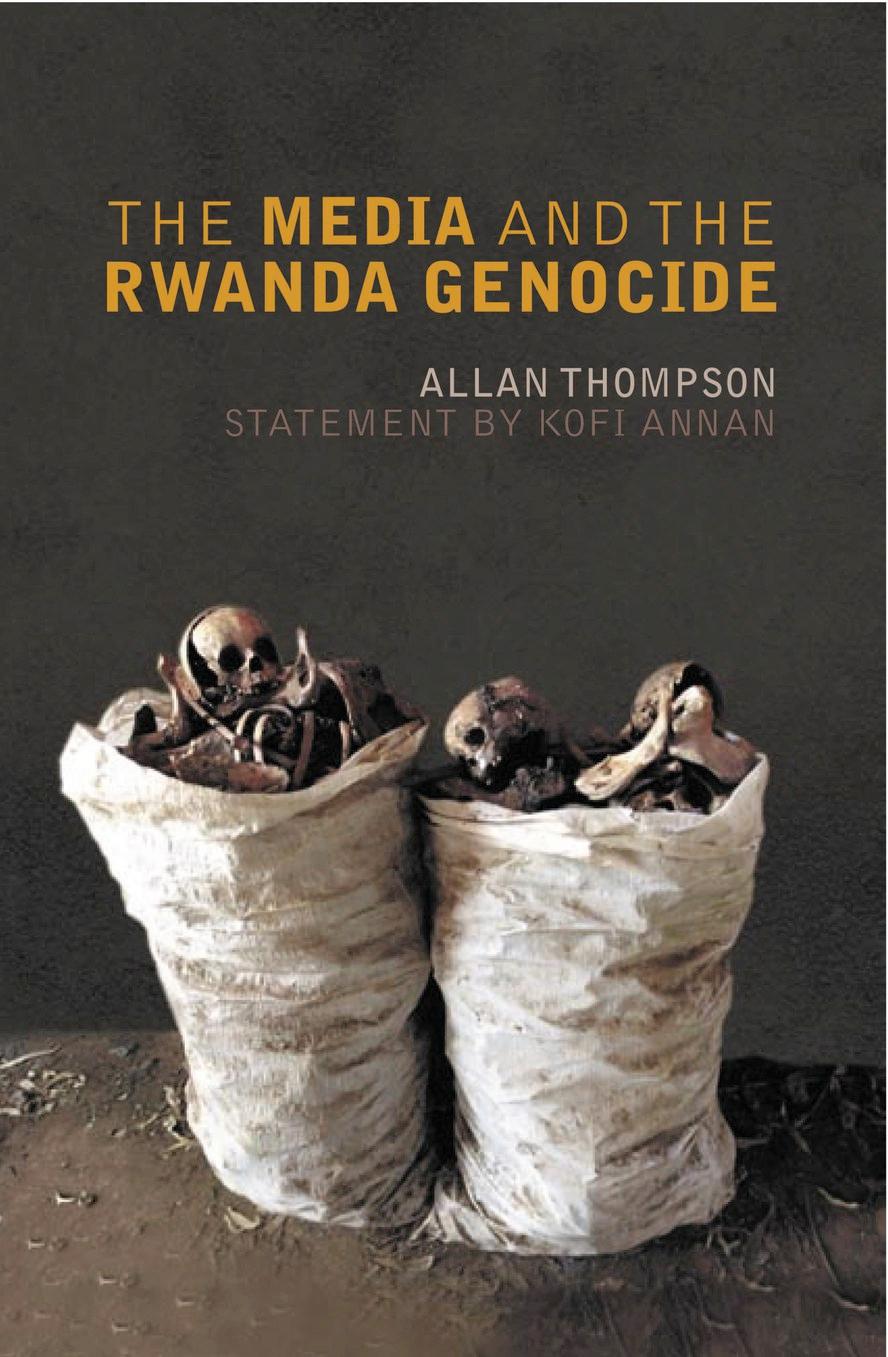
The news media played a crucial role in the 1994 Rwanda genocide: local media fuelled the killings, while the international media either ignored or seriously misconstrued what was happening.
This is the first book to explore both sides of that media equation. The book examines how local radio and print media were used as a tool of hate by encouraging neighbours to turn against each other. It also presents a critique of international media coverage of the cataclysmic events in Rwanda. Bringing together local reporters and commentators from Rwanda, high-profile Western journalists and leading media theorists, this is the only book to identify and probe the extent of the media's accountability. It also examines deliberations by the International Criminal Tribunal for Rwanda on the role of the media in the genocide.
In writing this startling record of the dangerous negative influence that the media can have, when used as a political tool or when news organisations and journalists fail to live up to their responsibilities, the authors put forward suggestions for the future; outlining how we can avoid censorship and propaganda, and arguing for a new responsibility in media reporting.
This is the first book to explore both sides of that media equation. The book examines how local radio and print media were used as a tool of hate by encouraging neighbours to turn against each other. It also presents a critique of international media coverage of the cataclysmic events in Rwanda. Bringing together local reporters and commentators from Rwanda, high-profile Western journalists and leading media theorists, this is the only book to identify and probe the extent of the media's accountability. It also examines deliberations by the International Criminal Tribunal for Rwanda on the role of the media in the genocide.
In writing this startling record of the dangerous negative influence that the media can have, when used as a political tool or when news organisations and journalists fail to live up to their responsibilities, the authors put forward suggestions for the future; outlining how we can avoid censorship and propaganda, and arguing for a new responsibility in media reporting.
Betaal eenvoudig met kaart, Klarna, Apple Pay of Google Pay. Niet tevreden? Je hebt altijd 14 dagen bedenktijd. Lees meer in onze voorwaarden. Heb je vragen, mail ons dan via hello@memmo.org.
Memmo maakt studeren makkelijker – waar je ook bent ter wereld. Wij brengen je cursusboeken en slimme studietools samen op één plek: samenvattingen, quizzen, podcasts en flashcards. En Ted, je studievriend die antwoord geeft op alles wat je je afvraagt. Meer dan 50.000 studenten studeren hier al – gebouwd om je sneller te laten leren en minder stress te geven.
Misschien vind je dit ook leuk
Koop het boek0