
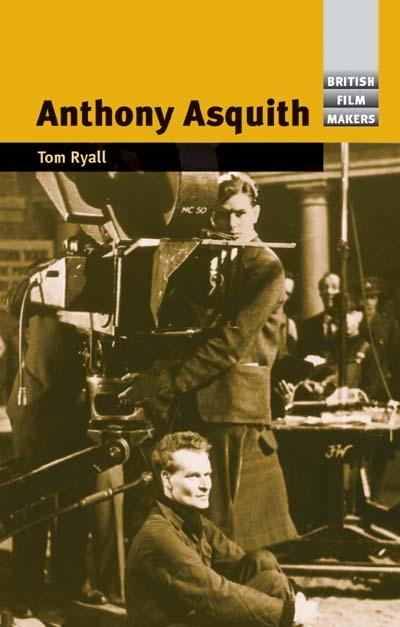
This is the first comprehensive critical study of Anthony Asquith. Ryall sets the director's work in the context of British cinema from the silent period to the 1960s, examining the artistic and cultural influences which shaped his films.
Asquith's silent films were compared favourably to those of his eminent contemporary Alfred Hitchcock, but his career faltered during the 1930s. However, the success of Pygmalion (1938) and French Without Tears (1939), based on plays by George Bernard Shaw and Terence Rattigan, together with his significant contributions to wartime British cinema, re-established him as a leading British film maker. Asquith's post-war career includes several pictures in collaboration with Terence Rattigan, and the definitive adaptation of Oscar Wilde's The Importance of Being Earnest (1951), but his versatility is demonstrated in a number of modest genre films including The Woman in Question (1950), The Young Lovers (1954) and Orders to Kill (1958).
Betaal eenvoudig met kaart, Klarna, Apple Pay of Google Pay. Niet tevreden? Je hebt altijd 14 dagen bedenktijd. Lees meer in onze voorwaarden. Heb je vragen, mail ons dan via hello@memmo.org.
Memmo maakt studeren makkelijker – waar je ook bent ter wereld. Wij brengen je cursusboeken en slimme studietools samen op één plek: samenvattingen, quizzen, podcasts en flashcards. En Ted, je studievriend die antwoord geeft op alles wat je je afvraagt. Meer dan 50.000 studenten studeren hier al – gebouwd om je sneller te laten leren en minder stress te geven.