
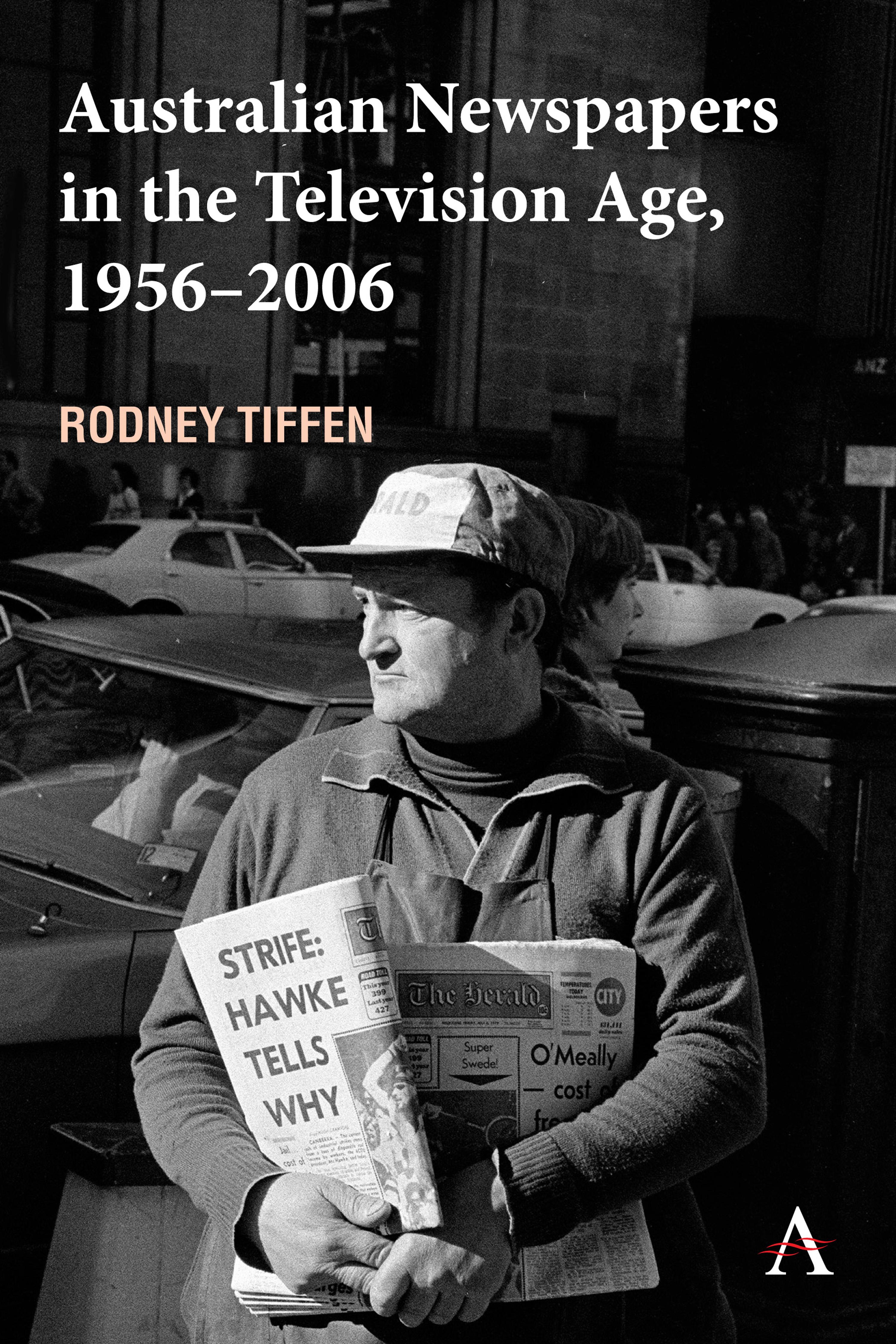
This book looks at Australian newspapers over the half century following the introduction of television in 1956. Through a quantitative study, it illuminates how the nature of news has changed and how central journalistic practices have developed. It examines newspapers’ changing size and structure, their story priorities, their use of visual aids and interpretive frames, their changing range and treatment of sources, and how these changes affected their political and international coverage.
The content analysis shows a dominant theme of growth and improvement. Newspapers offered their readers much more at the end of the half century than at the beginning. The much larger volume of news was presented in more visually attractive and reader-friendly ways than before. News agendas expanded in response both to changing reader interests and a changing political environment. Newspapers had a more active orientation towards using a wider range of sources. All papers shared in the major trends but to varying degrees so that by the end of the period there were sharper differences between the papers than at the beginning.
Mapping the multi-dimensional nature of change in this pivotal period lays a groundwork for analysing the changing nature of journalism during the existential crisis that news organisations are now facing during the digital age.
Betaal eenvoudig met kaart, Klarna, Apple Pay of Google Pay. Niet tevreden? Je hebt altijd 14 dagen bedenktijd. Lees meer in onze voorwaarden. Heb je vragen, mail ons dan via hello@memmo.org.
Memmo maakt studeren makkelijker – waar je ook bent ter wereld. Wij brengen je cursusboeken en slimme studietools samen op één plek: samenvattingen, quizzen, podcasts en flashcards. En Ted, je studievriend die antwoord geeft op alles wat je je afvraagt. Meer dan 50.000 studenten studeren hier al – gebouwd om je sneller te laten leren en minder stress te geven.