
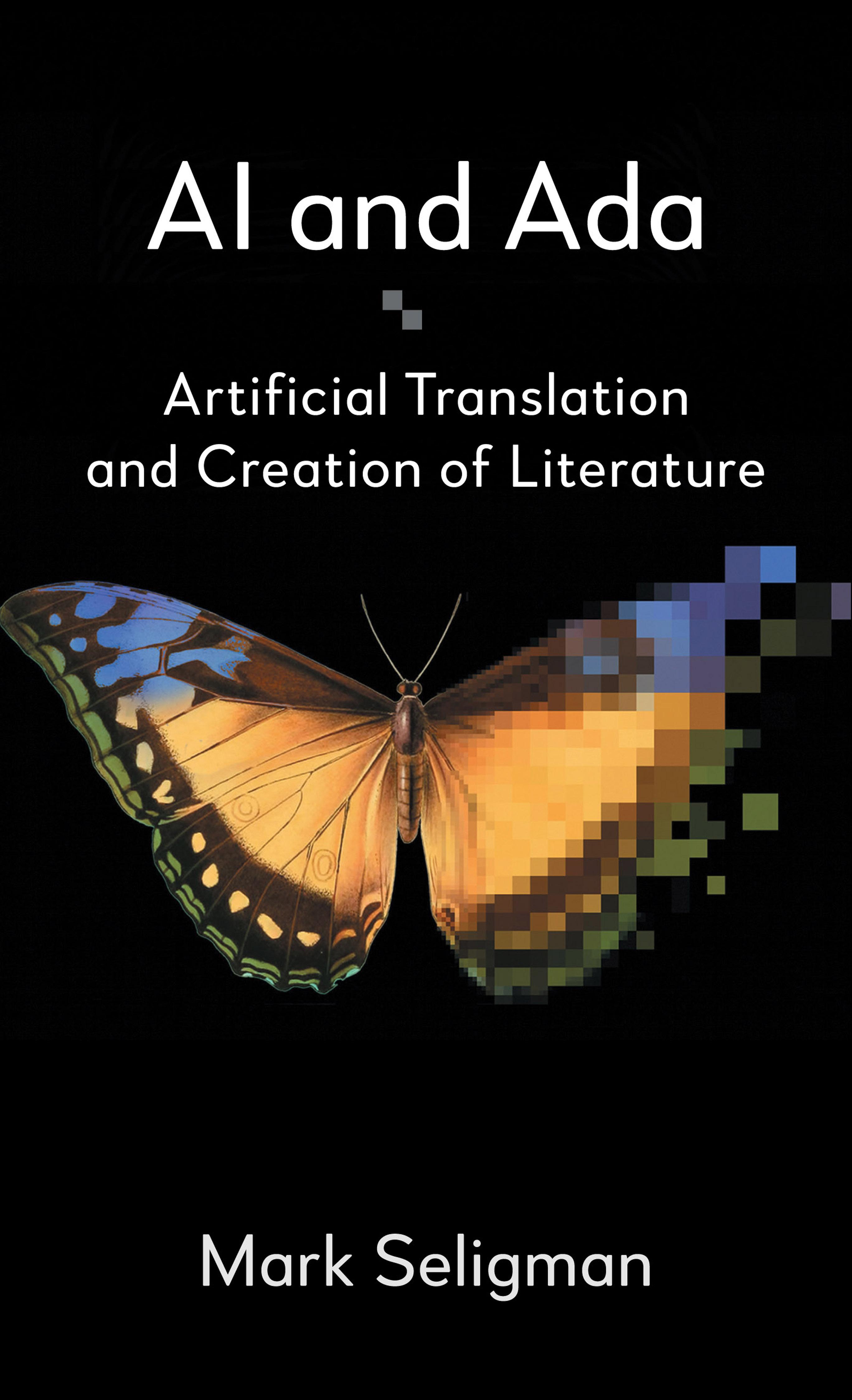
The book’s Preface places the current AI explosion in the context of other technological cataclysms and recounts the author’s personal (and not always deadly serious) AI journey. Chapter One (“Extracting the Essence”) assesses the potential of machine translation of literature, exploiting Vladimir Nabokov’s hyperconscious literary art as a reference point. Chapter Two (“Toward an Artificial Nabokov”) goes on to speculate on possibilities for actual artificial creation of literature. Chapter Three (“Large Literary Models? Intelligence and Language in the LLM Era”) explains recent spectacular progress in Generative Artificial Intelligence (GenAI), as exemplified by Large Language Models like ChatGPT. On the way, the chapter ventures to tackle perennial questions (“What is intelligence?” “What is language?”) and culminates in an assortment of striking demos. The volume’s Sendoff considers whether machines, while now arguably intelligent, can ever also gain sufficient sensation and emotion to create language art with other than borrowed depth – and, while viewing this development as likely all too soon, declines to despair on that account.
Betaal eenvoudig met kaart, Klarna, Apple Pay of Google Pay. Niet tevreden? Je hebt altijd 14 dagen bedenktijd. Lees meer in onze voorwaarden. Heb je vragen, mail ons dan via hello@memmo.org.
Memmo maakt studeren makkelijker – waar je ook bent ter wereld. Wij brengen je cursusboeken en slimme studietools samen op één plek: samenvattingen, quizzen, podcasts en flashcards. En Ted, je studievriend die antwoord geeft op alles wat je je afvraagt. Meer dan 50.000 studenten studeren hier al – gebouwd om je sneller te laten leren en minder stress te geven.