
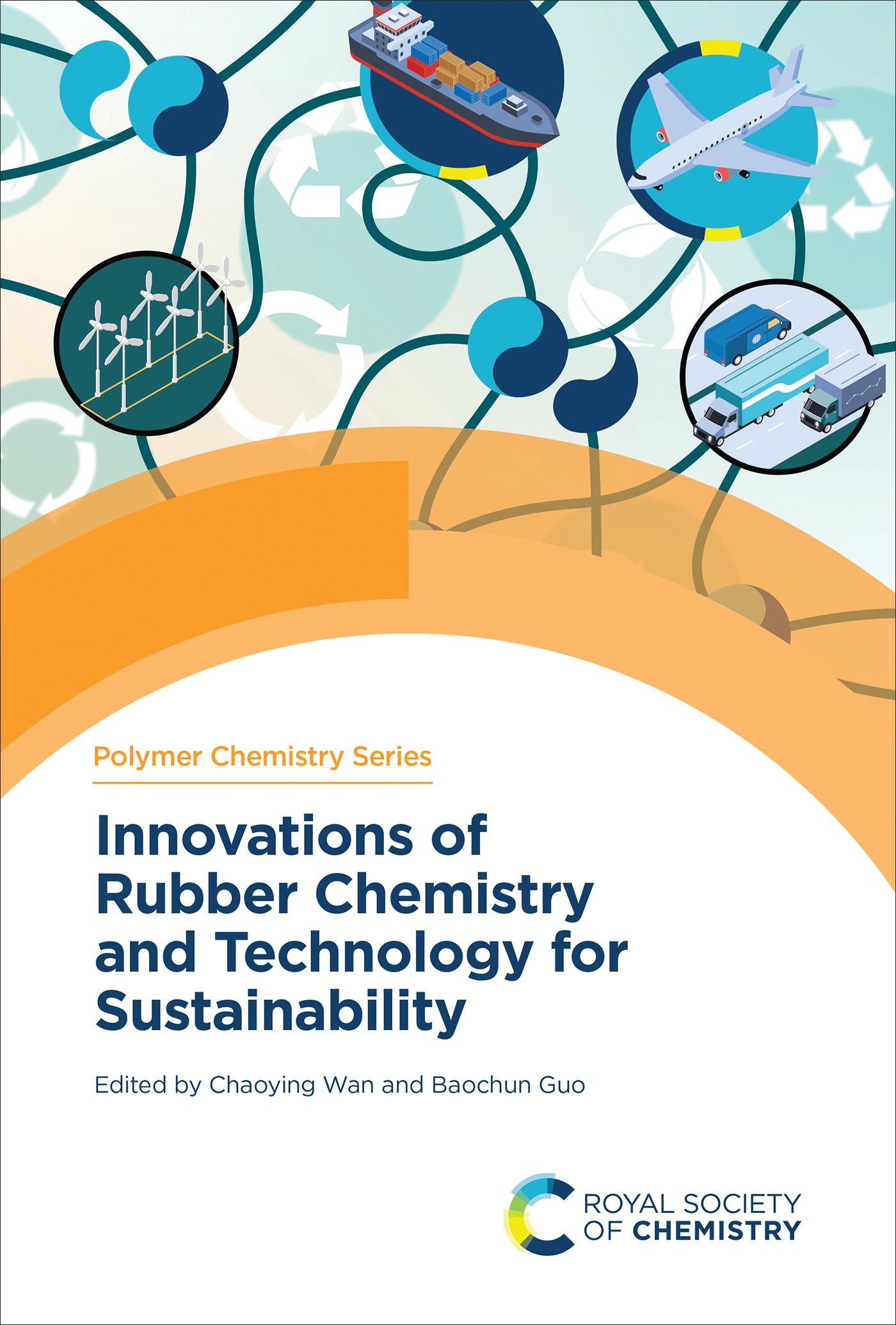
Rubbers are ubiquitous materials that play irreplaceable roles in modern society, from tires, seals, hoses, vibration/noise control, biomedical devices, and stretchable electronics to soft robotics. The traditional rubber manufacturing and vulcanization process is energy-intensive, and the end-of-life rubber products are hard to reuse and recycle due to the permanently crosslinked chemical structures and the variety of processing additives involved. Innovation of sustainable rubber chemistry and technology is urgently needed.
This book provides critical reviews of the latest developments in rubber technology, including energy-efficient devulcanization techniques, the dynamic crosslinking chemistry of rubbers, and an understanding of the trade-off between network dynamics and the properties of rubber. Further chapters explore the functionalization and hybridization of fillers and how blends, TPVs, and multiple networks influence the sustainability of rubber. The book concludes with an examination of new developments and real-world applications of rubber in the circular economy.
Betaal eenvoudig met kaart, Klarna, Apple Pay of Google Pay. Niet tevreden? Je hebt altijd 14 dagen bedenktijd. Lees meer in onze voorwaarden. Heb je vragen, mail ons dan via hello@memmo.org.
Memmo maakt studeren makkelijker – waar je ook bent ter wereld. Wij brengen je cursusboeken en slimme studietools samen op één plek: samenvattingen, quizzen, podcasts en flashcards. En Ted, je studievriend die antwoord geeft op alles wat je je afvraagt. Meer dan 50.000 studenten studeren hier al – gebouwd om je sneller te laten leren en minder stress te geven.