
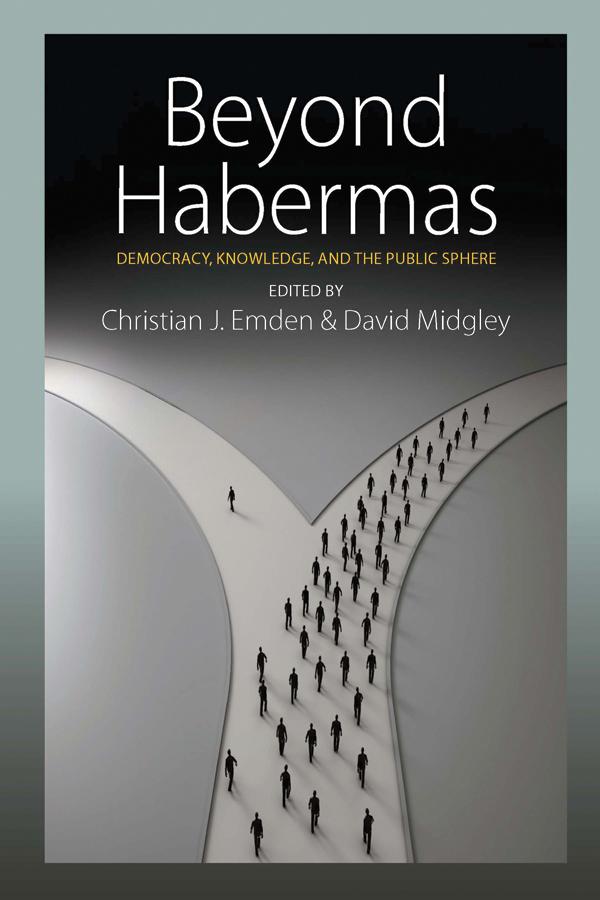
During the 1960s the German philosopher Jürgen Habermas introduced the notion of a “bourgeois public sphere” in order to describe the symbolic arena of political life and conversation that originated with the cultural institutions of the early eighteenth-century; since then the “public sphere” itself has become perhaps one of the most debated concepts at the very heart of modernity. For Habermas, the tension between the administrative power of the state, with its understanding of sovereignty, and the emerging institutions of the bourgeoisie—coffee houses, periodicals, encyclopedias, literary culture, etc.—was seen as being mediated by the public sphere, making it a symbolic site of public reasoning. This volume examines whether the “public sphere” remains a central explanatory model in the social sciences, political theory, and the humanities.
Betaal eenvoudig met kaart, Klarna, Apple Pay of Google Pay. Niet tevreden? Je hebt altijd 14 dagen bedenktijd. Lees meer in onze voorwaarden. Heb je vragen, mail ons dan via hello@memmo.org.
Memmo maakt studeren makkelijker – waar je ook bent ter wereld. Wij brengen je cursusboeken en slimme studietools samen op één plek: samenvattingen, quizzen, podcasts en flashcards. En Ted, je studievriend die antwoord geeft op alles wat je je afvraagt. Meer dan 50.000 studenten studeren hier al – gebouwd om je sneller te laten leren en minder stress te geven.