
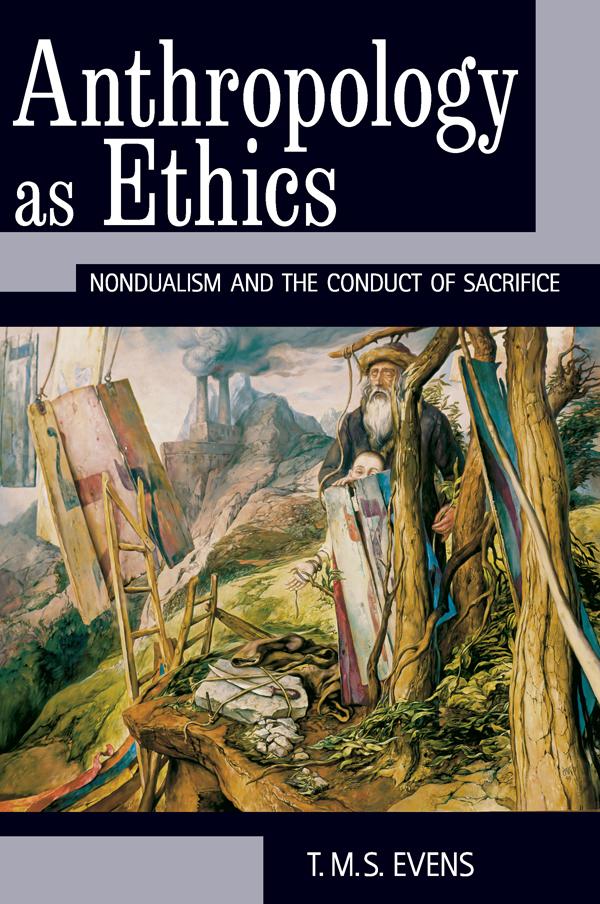
Anthropology as Ethics is concerned with rethinking anthropology by rethinking the nature of reality. It develops the ontological implications of a defining thesis of the Manchester School: that all social orders exhibit basically conflicting underlying principles. Drawing especially on Continental social thought, including Wittgenstein, Merleau-Ponty, Levinas, Dumont, Bourdieu and others, and on pre-modern sources such as the Hebrew bible, the Nuer, the Dinka, and the Azande, the book mounts a radical study of the ontology of self and other in relation to dualism and nondualism. It demonstrates how the self-other dichotomy disguises fundamental ambiguity or nondualism, thus obscuring the essentially ethical, dilemmatic, and sacrificial nature of all social life. It also proposes a reason other than dualist, nihilist, and instrumental, one in which logic is seen as both inimical to and continuous with value. Without embracing absolutism, the book makes ambiguity and paradox the foundation of an ethical response to the pervasive anti-foundationalism of much postmodern thought.
Betaal eenvoudig met kaart, Klarna, Apple Pay of Google Pay. Niet tevreden? Je hebt altijd 14 dagen bedenktijd. Lees meer in onze voorwaarden. Heb je vragen, mail ons dan via hello@memmo.org.
Memmo maakt studeren makkelijker – waar je ook bent ter wereld. Wij brengen je cursusboeken en slimme studietools samen op één plek: samenvattingen, quizzen, podcasts en flashcards. En Ted, je studievriend die antwoord geeft op alles wat je je afvraagt. Meer dan 50.000 studenten studeren hier al – gebouwd om je sneller te laten leren en minder stress te geven.