
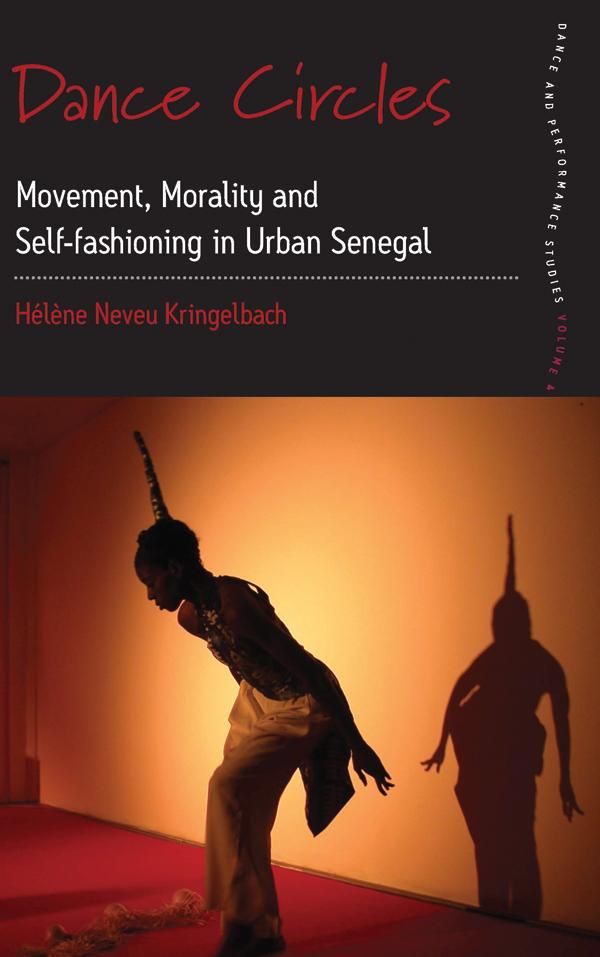
Senegal has played a central role in contemporary dance due to its rich performing traditions, as well as strong state patronage of the arts, first under French colonialism and later in the postcolonial era. In the 1980s, when the Senegalese economy was in decline and state fundingwithdrawn, European agencies used the performing arts as a tool in diplomacy. This had a profound impact on choreographic production and arts markets throughout Africa. In Senegal, choreographic performers have taken to contemporary dance, while continuing to engage with neo-traditional performance, regional genres like the sabar, and the popular dances they grew up with. A historically informed ethnography of creativity, agency, and the fashioning of selves through the different life stages in urban Senegal, this book explores the significance of this multiple engagement with dance in a context of economic uncertainty and rising concerns over morality in the public space.
Betaal eenvoudig met kaart, Klarna, Apple Pay of Google Pay. Niet tevreden? Je hebt altijd 14 dagen bedenktijd. Lees meer in onze voorwaarden. Heb je vragen, mail ons dan via hello@memmo.org.
Memmo maakt studeren makkelijker – waar je ook bent ter wereld. Wij brengen je cursusboeken en slimme studietools samen op één plek: samenvattingen, quizzen, podcasts en flashcards. En Ted, je studievriend die antwoord geeft op alles wat je je afvraagt. Meer dan 50.000 studenten studeren hier al – gebouwd om je sneller te laten leren en minder stress te geven.