
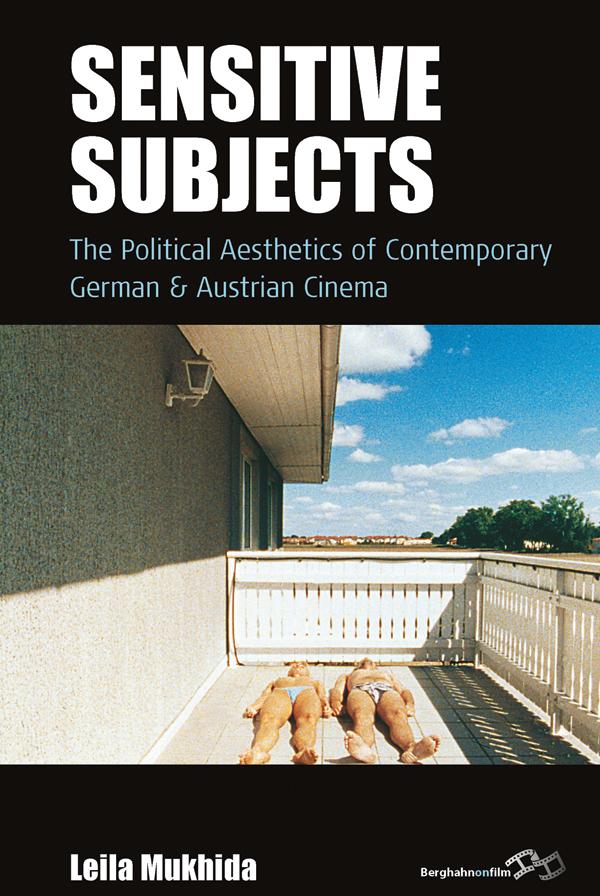
Both politically and aesthetically, the contemporary German and Austrian film landscape is a far cry from the early days of the medium, when critics like Siegfried Kracauer produced foundational works of film theory amid the tumult of the early twentieth century. Yet, as Leila Mukhida demonstrates in this innovative study, the writings of figures like Kracauer and Walter Benjamin in fact remain an undervalued tool for understanding political cinema today. Through illuminating explorations of Michael Haneke, Valeska Grisebach, Andreas Dresen, and other filmmakers of the post-reunification era, Mukhida develops an analysis centered on film aesthetics and experience, showing how medium-specific devices like lighting, sound, and mise-en-scène can help to cultivate political sensitivity in spectators.
Betaal eenvoudig met kaart, Klarna, Apple Pay of Google Pay. Niet tevreden? Je hebt altijd 14 dagen bedenktijd. Lees meer in onze voorwaarden. Heb je vragen, mail ons dan via hello@memmo.org.
Memmo maakt studeren makkelijker – waar je ook bent ter wereld. Wij brengen je cursusboeken en slimme studietools samen op één plek: samenvattingen, quizzen, podcasts en flashcards. En Ted, je studievriend die antwoord geeft op alles wat je je afvraagt. Meer dan 50.000 studenten studeren hier al – gebouwd om je sneller te laten leren en minder stress te geven.