
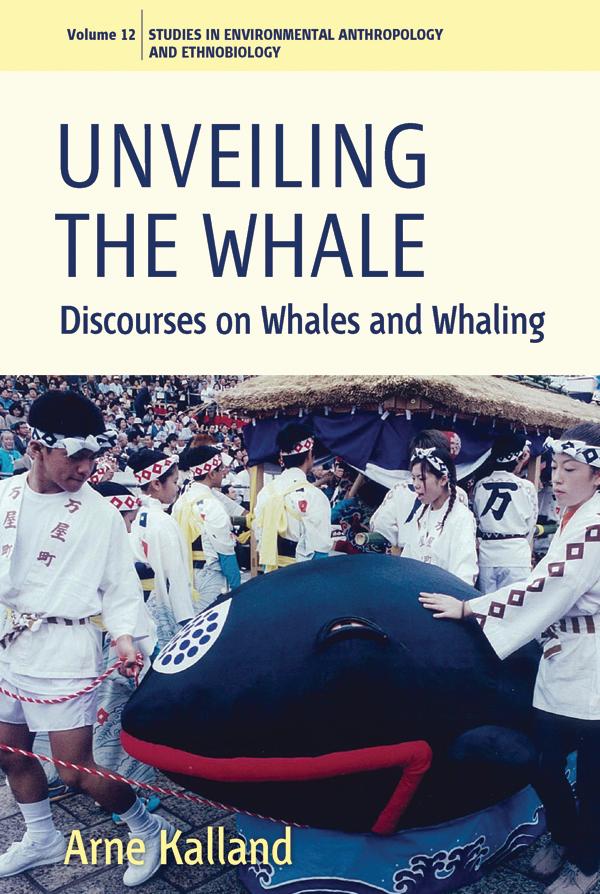
Whaling has become one of the most controversial environmental issues. It is not that all whale species are at the brink of extinction, but that whales have become important symbols to both pro- and anti-whaling factions and can easily be appropriated as the common heritage of humankind. This book, the first of its kind, is therefore not about whales and whaling per se but about how people communicate about whales and whaling. It contributes to a better understanding and discussion of controversial environmental issues: Why and how are issues selected? How is knowledge on these issues produced and distributed by organizations and activists? And why do affluent countries like Japan and Norway still support whaling, which is of insignificant economic importance? Basing his analysis on fieldwork in Japan and Norway and at the International Whaling Commission, the author argues how an image of a “superwhale” has been constructed and how this image has replaced meat and oil as the important whale commodity. He concludes that the whaling issue provides an arena where NGOs and authorities on each side can unite, swapping political legitimacy and building personal relations that can be useful on issues where relations are less harmonious.
Betaal eenvoudig met kaart, Klarna, Apple Pay of Google Pay. Niet tevreden? Je hebt altijd 14 dagen bedenktijd. Lees meer in onze voorwaarden. Heb je vragen, mail ons dan via hello@memmo.org.
Memmo maakt studeren makkelijker – waar je ook bent ter wereld. Wij brengen je cursusboeken en slimme studietools samen op één plek: samenvattingen, quizzen, podcasts en flashcards. En Ted, je studievriend die antwoord geeft op alles wat je je afvraagt. Meer dan 50.000 studenten studeren hier al – gebouwd om je sneller te laten leren en minder stress te geven.