
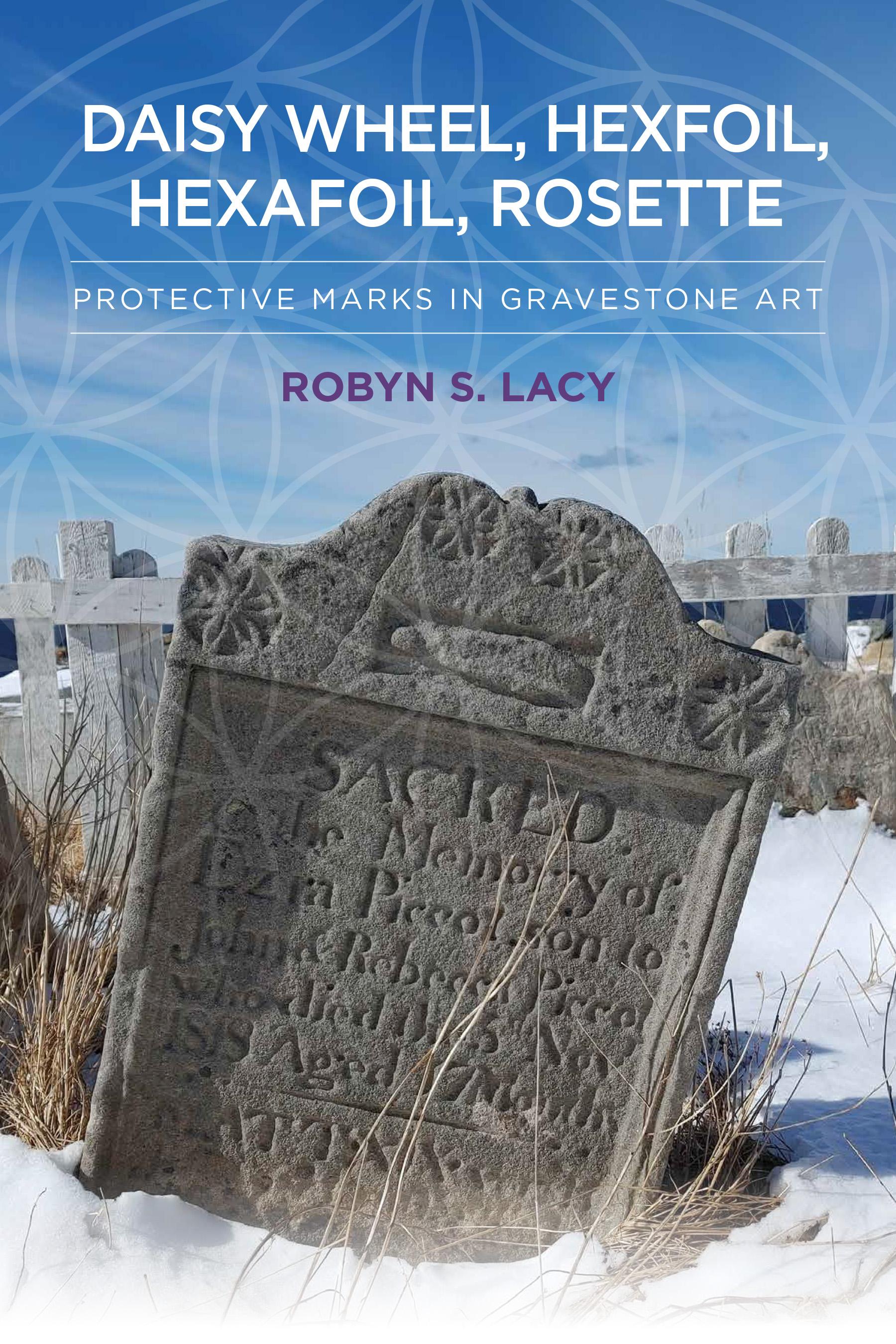
The use of protective symbols, also known as apotropaic marks, are often part of folk magic traditions, appearing in homes, churches, on personal items, and even graves, across Europe, Australia, and North America. The most common and well-known of these marks is the hexfoil, otherwise known as the daisy wheel, witch hex, or rosette. Hexfoils have a history of use for personal protection and were carved both intentionally or graffitied into church pews and walls, bed frames, doors, and gravestones. This research sheds light on the use of this historic symbol to protect the bodies and souls of the deceased, across several thousand years and multiple countries.
Betaal eenvoudig met kaart, Klarna, Apple Pay of Google Pay. Niet tevreden? Je hebt altijd 14 dagen bedenktijd. Lees meer in onze voorwaarden. Heb je vragen, mail ons dan via hello@memmo.org.
Memmo maakt studeren makkelijker – waar je ook bent ter wereld. Wij brengen je cursusboeken en slimme studietools samen op één plek: samenvattingen, quizzen, podcasts en flashcards. En Ted, je studievriend die antwoord geeft op alles wat je je afvraagt. Meer dan 50.000 studenten studeren hier al – gebouwd om je sneller te laten leren en minder stress te geven.