
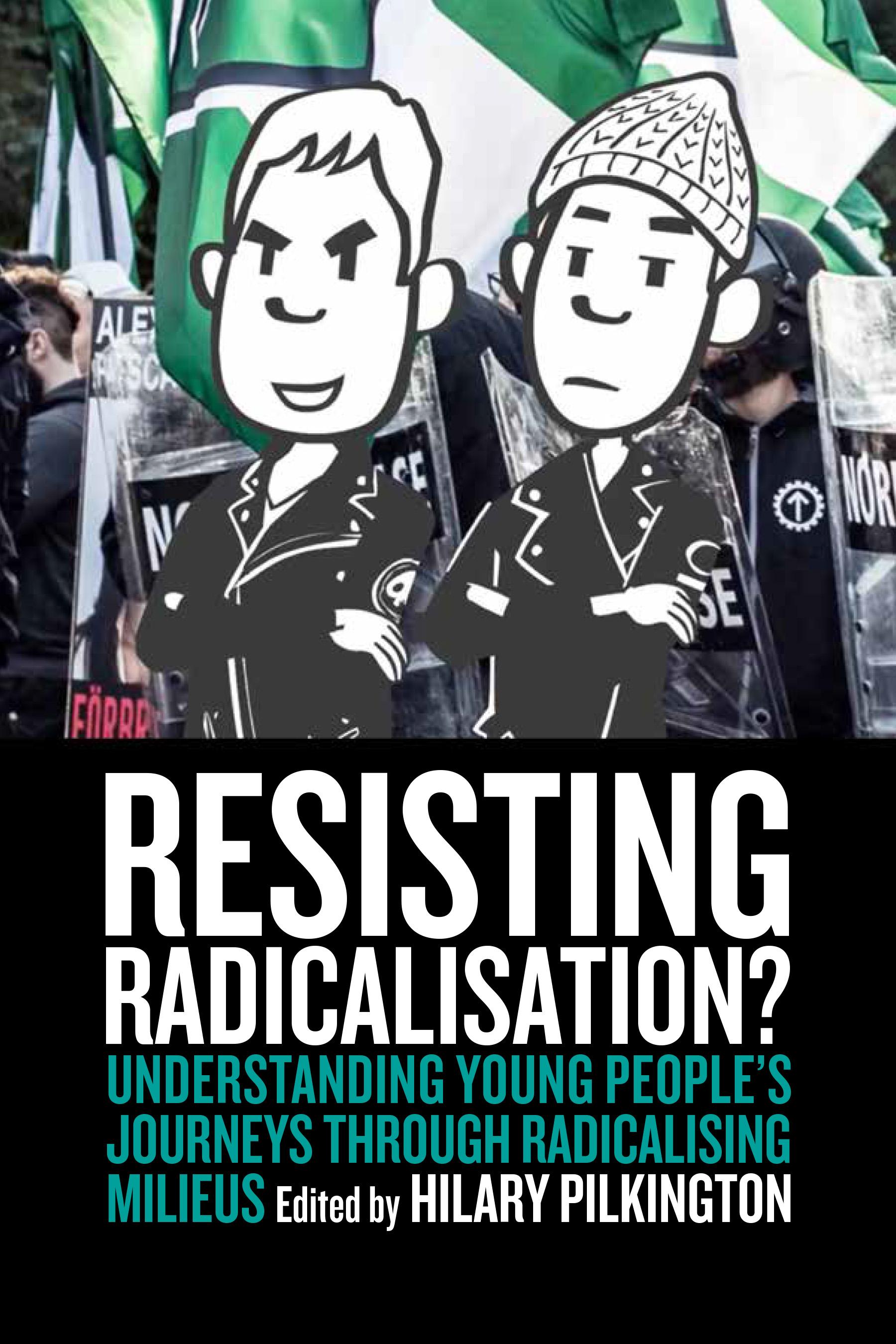
This landmark volume of extensive empirical research conducted across Europe explains how, and why, young people become engaged in radical(ising) milieus but also resist radicalisation into violent extremism.
Offering a critical perspective on the concept of radicalisation, this volume views it from the perspective of social actors who engage in radicalising milieus but for the most part have not crossed the threshold into violent extremism. It brings together contributions conducted as part of a cross-European (including France, Germany, the Netherlands, Greece, Russia, Turkey, the UK, and beyond) study of young people's engagement in ‘extreme right’ and ‘Islamist’ milieus.
It argues that radicalisation is best understood as a relational concept reflecting a social process rooted in relational inequalities but also shaped by interactional and situational dynamics, which not only facilitate but also constrain radicalisation.
Betaal eenvoudig met kaart, Klarna, Apple Pay of Google Pay. Niet tevreden? Je hebt altijd 14 dagen bedenktijd. Lees meer in onze voorwaarden. Heb je vragen, mail ons dan via hello@memmo.org.
Memmo maakt studeren makkelijker – waar je ook bent ter wereld. Wij brengen je cursusboeken en slimme studietools samen op één plek: samenvattingen, quizzen, podcasts en flashcards. En Ted, je studievriend die antwoord geeft op alles wat je je afvraagt. Meer dan 50.000 studenten studeren hier al – gebouwd om je sneller te laten leren en minder stress te geven.