
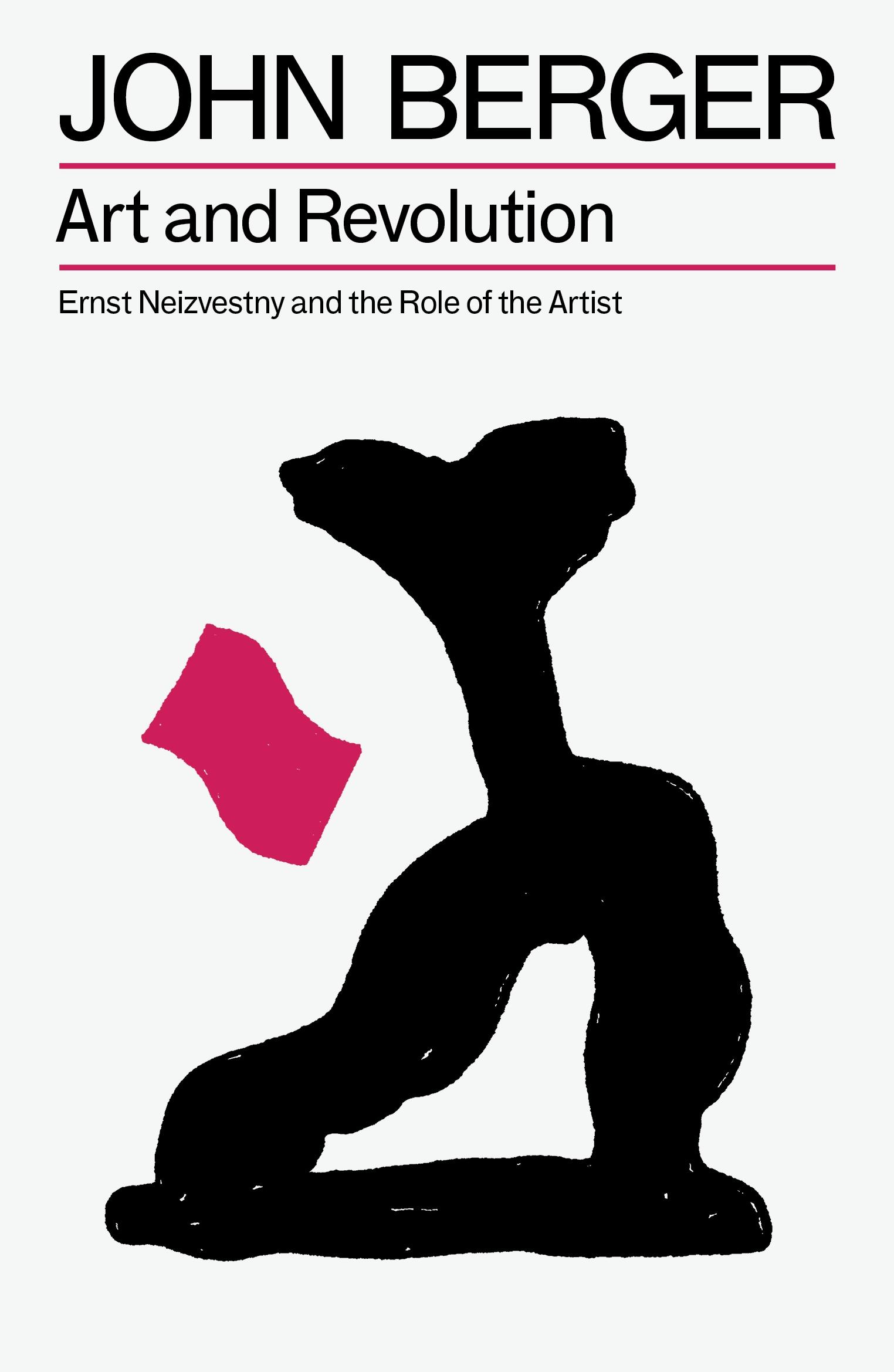
John Berger explores the life and work of Ernst Neizvestny, who, after clashing with Khrushchev, was excluded from the ranks of officially approved Soviet artists. Abandoned to obscurity, Neizvestny laboured to realize a monumental and very public vision of art. Exiled to the United States, he finally found recognition, returning to his homeland with the fall of the Berlin Wall.
Berger's account illuminates the very meaning of revolutionary art. In his struggle against official orthodoxy - which brought him into face-to-face conflict with Khrushchev himself - Neizvestny was fight-ing not for a merely personal or aesthetic vision, but for recognition of the social role of art. His sculptures earn a place in the world by reflecting the courage of a whole people, commemorating, in an age of mass suffering, the resistance and endurance of millions.
Berger's account illuminates the very meaning of revolutionary art. In his struggle against official orthodoxy - which brought him into face-to-face conflict with Khrushchev himself - Neizvestny was fight-ing not for a merely personal or aesthetic vision, but for recognition of the social role of art. His sculptures earn a place in the world by reflecting the courage of a whole people, commemorating, in an age of mass suffering, the resistance and endurance of millions.
Betaal eenvoudig met kaart, Klarna, Apple Pay of Google Pay. Niet tevreden? Je hebt altijd 14 dagen bedenktijd. Lees meer in onze voorwaarden. Heb je vragen, mail ons dan via hello@memmo.org.
Memmo maakt studeren makkelijker – waar je ook bent ter wereld. Wij brengen je cursusboeken en slimme studietools samen op één plek: samenvattingen, quizzen, podcasts en flashcards. En Ted, je studievriend die antwoord geeft op alles wat je je afvraagt. Meer dan 50.000 studenten studeren hier al – gebouwd om je sneller te laten leren en minder stress te geven.
Misschien vind je dit ook leuk
Koop het boek0