
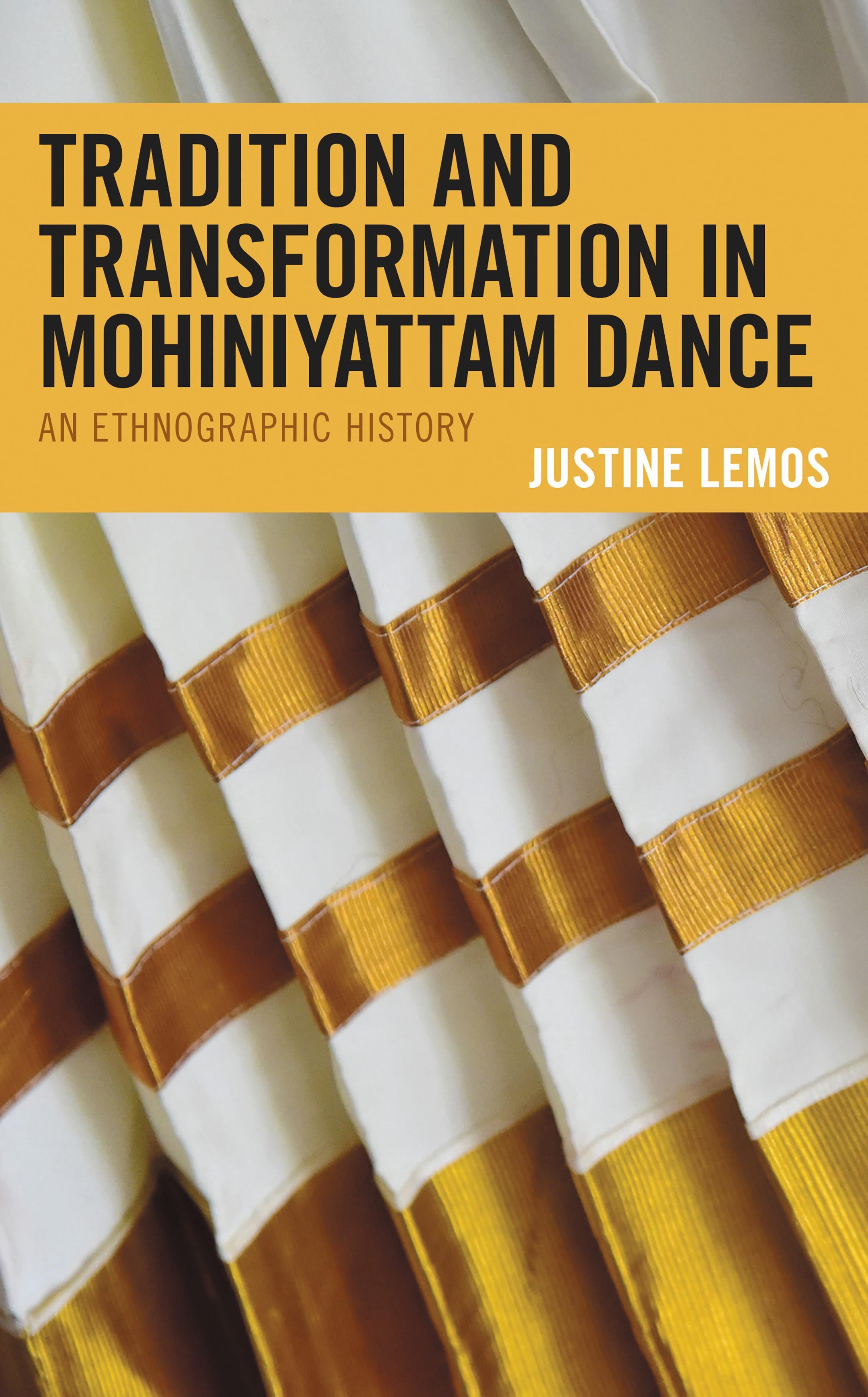
Tradition and Transformation in Mohiniyattam Dance: An Ethnographic History demonstrates how Mohiniyattam, a form previously stigmatized, was reinvented as a sign of traditional Keralite womanhood. The book traces how the emergence of Mohiniyattam as a traditional form of dance based on a feminine aesthetic was synchronistic with the outlawing of polyandrous marriage practices and devadasi practices, as well as changes in matrilineal inheritance and the outlawing of and reforms in women’s dress customs in Kerala, India. These layers of history and cultural meaning permitted Mohiniyattam’s renaissance as a sign of female grace and tradition. Throughout, Lemos argues that practicing and learning movement is a gateway to understanding a system of semiosis. Danced movement itself can be a locust, a bellwether, and even an agent of social change.
Betaal eenvoudig met kaart, Klarna, Apple Pay of Google Pay. Niet tevreden? Je hebt altijd 14 dagen bedenktijd. Lees meer in onze voorwaarden. Heb je vragen, mail ons dan via hello@memmo.org.
Memmo maakt studeren makkelijker – waar je ook bent ter wereld. Wij brengen je cursusboeken en slimme studietools samen op één plek: samenvattingen, quizzen, podcasts en flashcards. En Ted, je studievriend die antwoord geeft op alles wat je je afvraagt. Meer dan 50.000 studenten studeren hier al – gebouwd om je sneller te laten leren en minder stress te geven.