
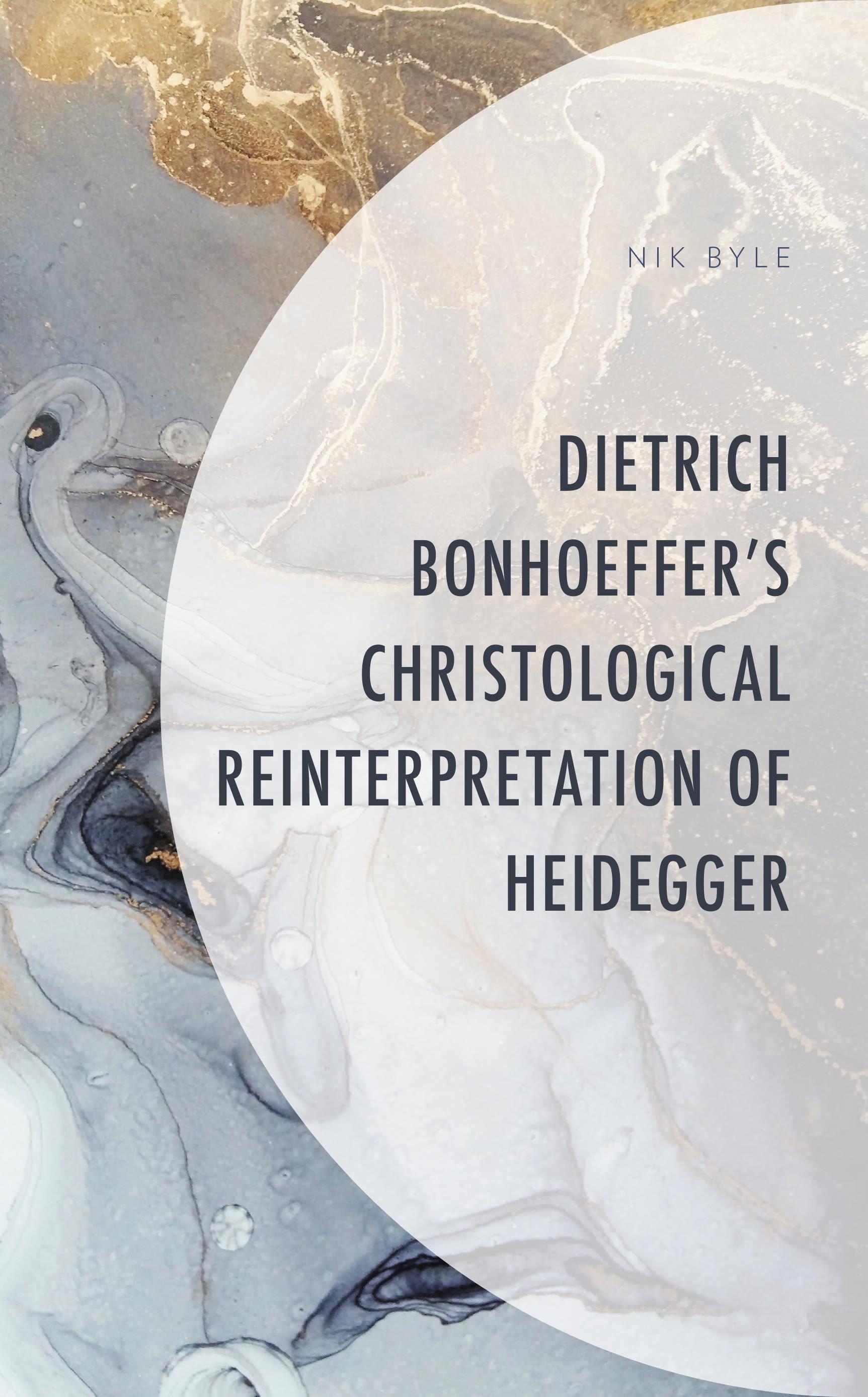
Dietrich Bonhoeffer was the intellectual progeny of the competing liberal and dialectical theological camps of his time. Yet he found both camps incapable of properly accounting for Christ’s relation to time and history, which both grounds their conflict and generates further theological problems, both theoretical and practical. In this book Nik Byle argues that Bonhoeffer was able to mine Martin Heidegger’s Being and Time for material theologically useful for moving beyond this impasse.
Bonhoeffer sifts through Heidegger’s analysis of human existence and finds a number of moves and concepts useful to theology. These include Heidegger’s emphasis on anthropology over epistemology, his position that one must begin with concrete existence, and that human existence is fundamentally temporal. Bonhoeffer must, however, reject other hallmark concepts, such as authenticity and Heidegger’s entire anthropocentric method, that would threaten the legitimate theological use of Heidegger.
Making the appropriate theological alterations, Bonhoeffer applies the useful elements from Heidegger to his Christocentric theology. Essentially, Christ and the church become fundamentally temporal and historical in the same way that human existence is for Heidegger. This sets a new foundation for Bonhoeffer’s Christology with concomitant effects in his ecclesiology, sacramentalism, theological anthropology, and epistemology.
Bonhoeffer sifts through Heidegger’s analysis of human existence and finds a number of moves and concepts useful to theology. These include Heidegger’s emphasis on anthropology over epistemology, his position that one must begin with concrete existence, and that human existence is fundamentally temporal. Bonhoeffer must, however, reject other hallmark concepts, such as authenticity and Heidegger’s entire anthropocentric method, that would threaten the legitimate theological use of Heidegger.
Making the appropriate theological alterations, Bonhoeffer applies the useful elements from Heidegger to his Christocentric theology. Essentially, Christ and the church become fundamentally temporal and historical in the same way that human existence is for Heidegger. This sets a new foundation for Bonhoeffer’s Christology with concomitant effects in his ecclesiology, sacramentalism, theological anthropology, and epistemology.
Betaal eenvoudig met kaart, Klarna, Apple Pay of Google Pay. Niet tevreden? Je hebt altijd 14 dagen bedenktijd. Lees meer in onze voorwaarden. Heb je vragen, mail ons dan via hello@memmo.org.
Memmo maakt studeren makkelijker – waar je ook bent ter wereld. Wij brengen je cursusboeken en slimme studietools samen op één plek: samenvattingen, quizzen, podcasts en flashcards. En Ted, je studievriend die antwoord geeft op alles wat je je afvraagt. Meer dan 50.000 studenten studeren hier al – gebouwd om je sneller te laten leren en minder stress te geven.