
A 2022 Choice Reviews Outstanding Academic Title
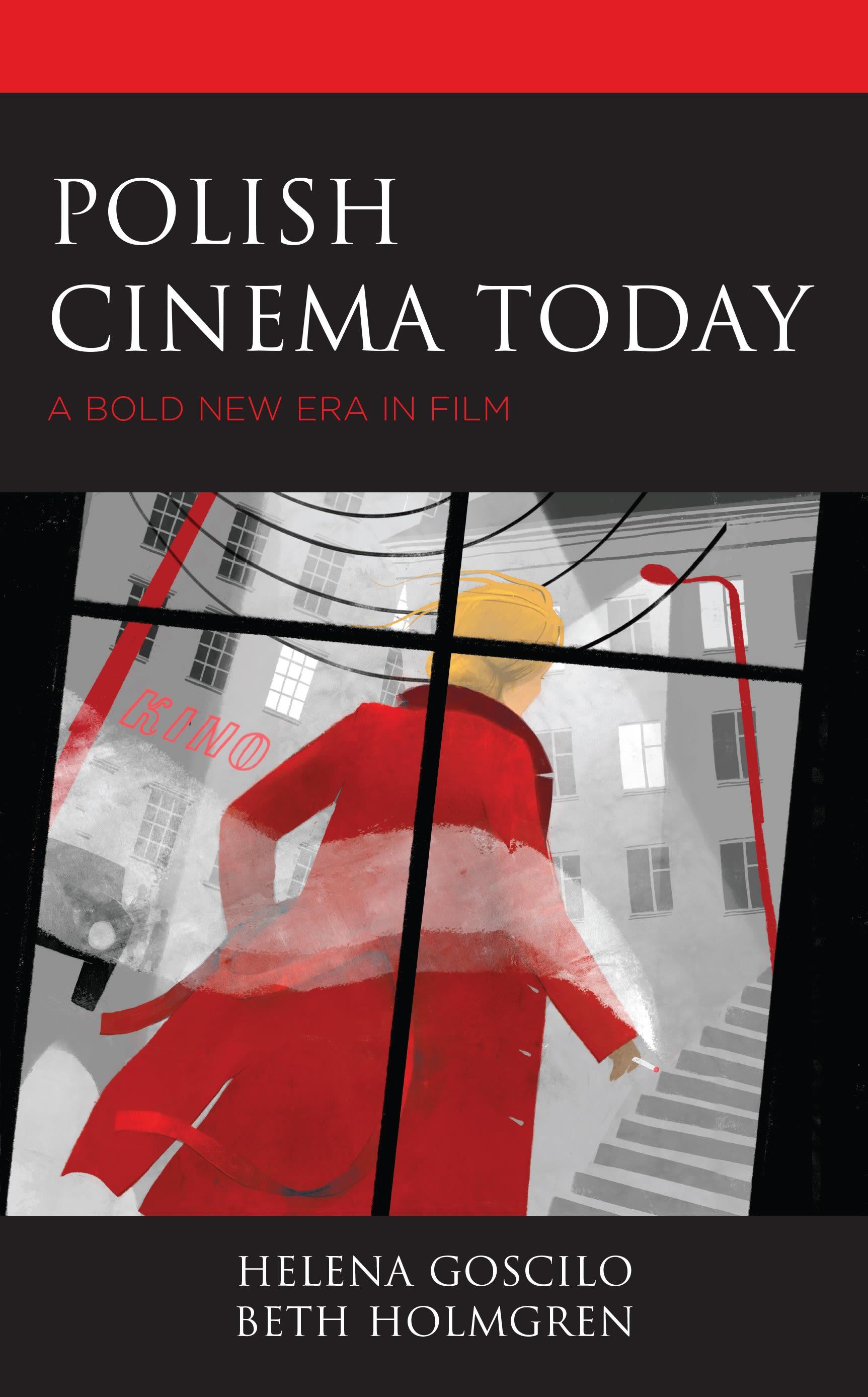
Structured according to key themes, Polish Cinema Today analyzes the remarkable innovations in Polish cinema emerging a decade after the 1989 dissolution of the Soviet bloc, once its film industry had evolved from a socialist state enterprise into a much more accessible system of film production, with growing expertise in distribution and marketing. By the early 2000s, an impressive, diverse cohort of filmmakers broke through the gridlock of a small set of esteemed, aging auteurs as well as the glut of imported Hollywood blockbusters, empowered by the digital revolution and domestic audience appetite for independent work. Polish directors today challenge sacrosanct bromides about national and gender identity, Poland’s historical martyrdom, the status of the influential Catholic Church, and the benevolent family, while investigating the phenomena of migration and sexuality in their full complexity. Each thematic chapter places these recent films within a historical/cultural context nationally and transnationally, and designs its analyses of specific works to engage general audiences of film scholars, students, and cinephiles.
Structured according to key themes, Polish Cinema Today analyzes the remarkable innovations in Polish cinema emerging a decade after the 1989 dissolution of the Soviet bloc, once its film industry had evolved from a socialist state enterprise into a much more accessible system of film production, with growing expertise in distribution and marketing. By the early 2000s, an impressive, diverse cohort of filmmakers broke through the gridlock of a small set of esteemed, aging auteurs as well as the glut of imported Hollywood blockbusters, empowered by the digital revolution and domestic audience appetite for independent work. Polish directors today challenge sacrosanct bromides about national and gender identity, Poland’s historical martyrdom, the status of the influential Catholic Church, and the benevolent family, while investigating the phenomena of migration and sexuality in their full complexity. Each thematic chapter places these recent films within a historical/cultural context nationally and transnationally, and designs its analyses of specific works to engage general audiences of film scholars, students, and cinephiles.
Betaal eenvoudig met kaart, Klarna, Apple Pay of Google Pay. Niet tevreden? Je hebt altijd 14 dagen bedenktijd. Lees meer in onze voorwaarden. Heb je vragen, mail ons dan via hello@memmo.org.
Memmo maakt studeren makkelijker – waar je ook bent ter wereld. Wij brengen je cursusboeken en slimme studietools samen op één plek: samenvattingen, quizzen, podcasts en flashcards. En Ted, je studievriend die antwoord geeft op alles wat je je afvraagt. Meer dan 50.000 studenten studeren hier al – gebouwd om je sneller te laten leren en minder stress te geven.