
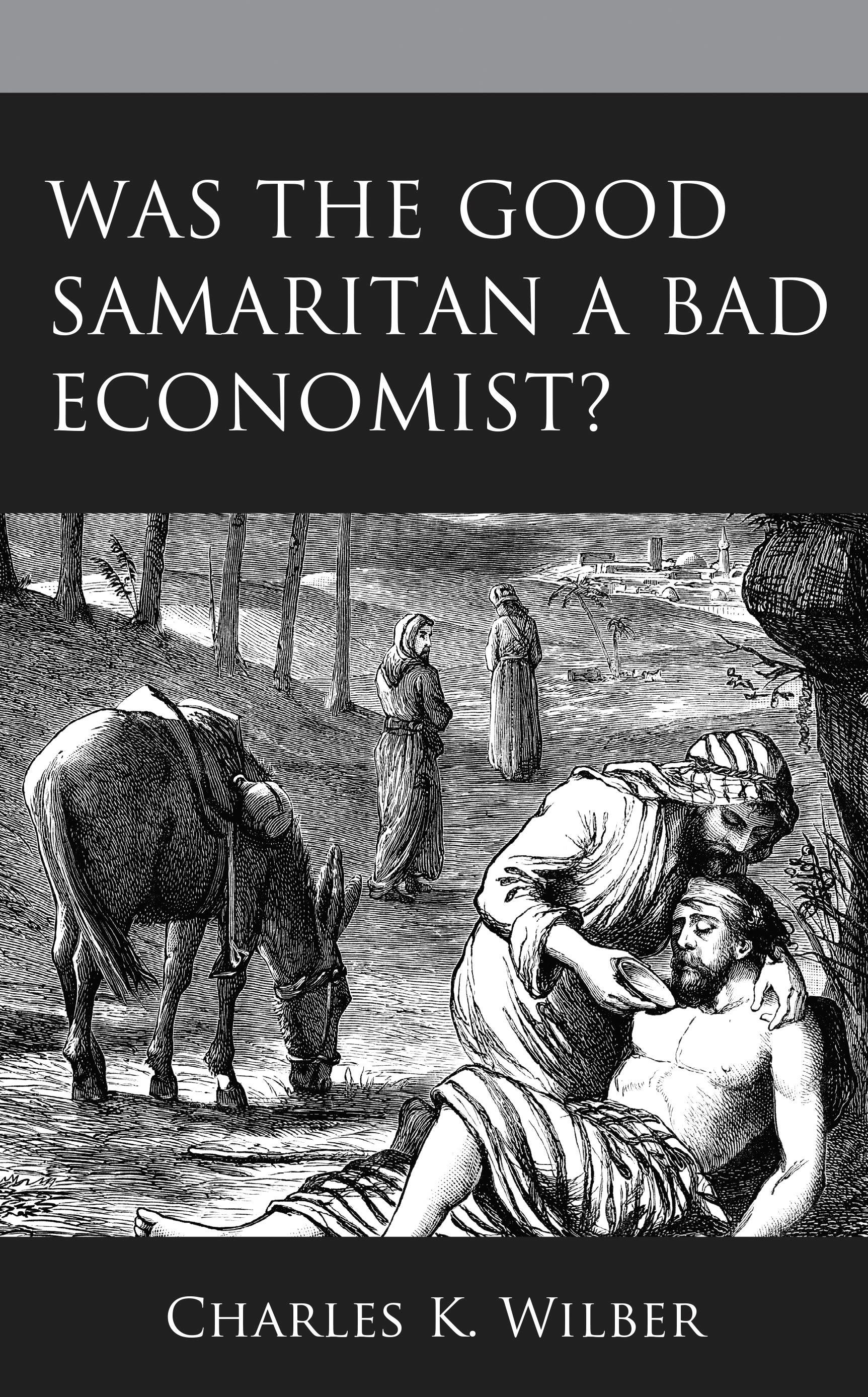
In Was the Good Samaritan a Bad Economist? Charles K. Wilber argues that the American economy has not only failed to overcome poverty, it has generated extreme inequality that in turn restricts social mobility and further marginalizes the poor. Wilber argues that economic theory is permeated with ethical values and any economics must be so; that human behavior is more complex than the economists’ simple self-interest model; that people are also driven by deeply embedded moral values; that markets require intervention to create equity; and that Catholic social thought provides the perspective and values to develop a more relevant social economics. The author takes that modified economics and uses it to analyze specific social problems: labor markets, poverty, inequality, financial crisis, and development. Wilber next focuses on the important role of families, labor unions, parishes, and small Christian communities, such as the Catholic Worker movement, as mediating institutions in the economy. He concludes with a final look at the questions, "Was the Good Samaritan a Bad Economist?".
Betaal eenvoudig met kaart, Klarna, Apple Pay of Google Pay. Niet tevreden? Je hebt altijd 14 dagen bedenktijd. Lees meer in onze voorwaarden. Heb je vragen, mail ons dan via hello@memmo.org.
Memmo maakt studeren makkelijker – waar je ook bent ter wereld. Wij brengen je cursusboeken en slimme studietools samen op één plek: samenvattingen, quizzen, podcasts en flashcards. En Ted, je studievriend die antwoord geeft op alles wat je je afvraagt. Meer dan 50.000 studenten studeren hier al – gebouwd om je sneller te laten leren en minder stress te geven.