
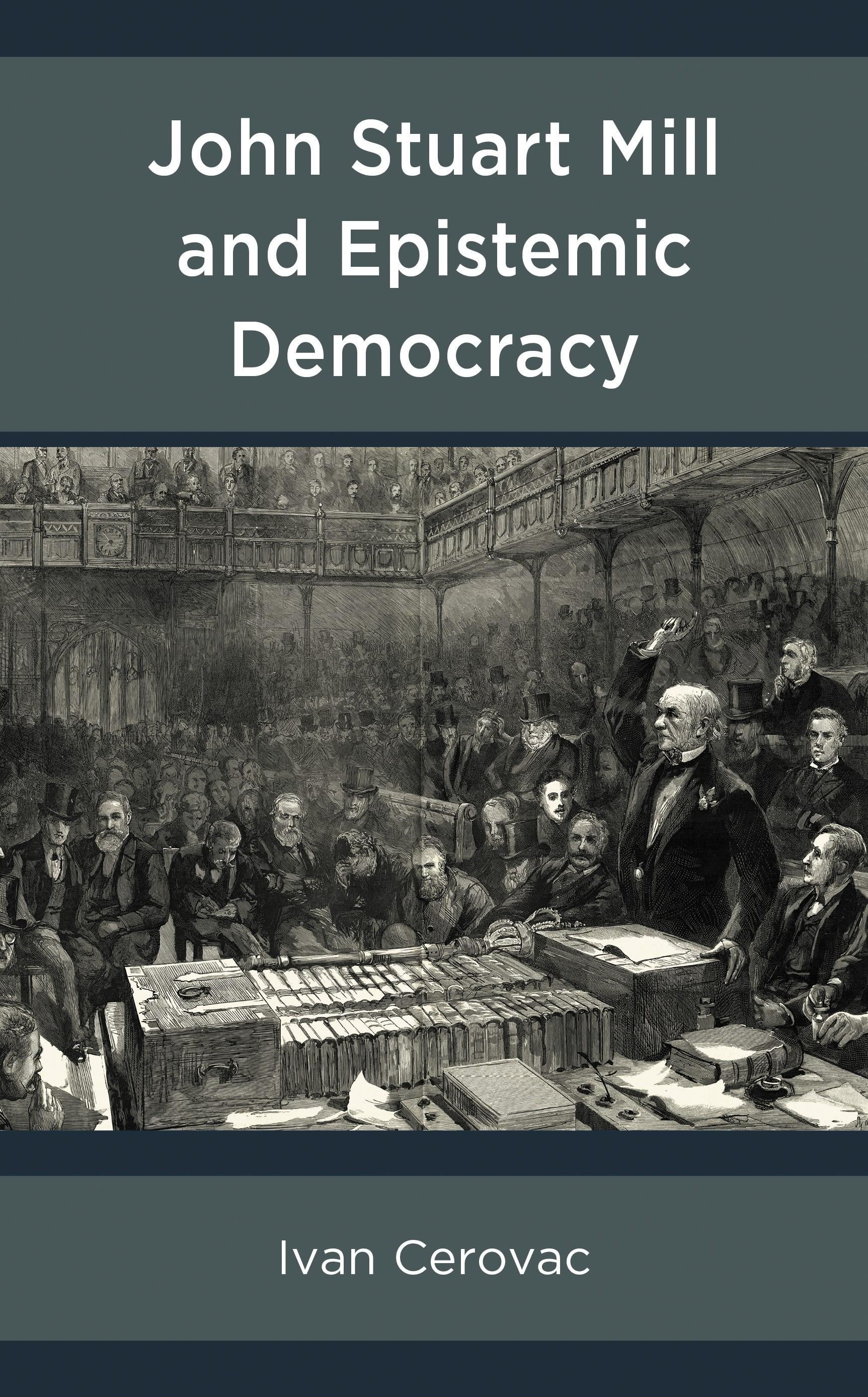
John Stuart Mill and Epistemic Democracy explores the epistemic, or cognitive, character of democratic institutional practices and the protection of basic liberties in Mill's political thought. Mapping Mill's theory of representative democracy and critically engaging Mill's more controversial issues, Ivan Cerovac identifies the epistemic criteria within these proposals and uses them as a basis for unifying Mill's political thought. The book addresses the epistemic role of wide democratic participation on the one hand and institutional mechanisms used to filter the public will—such as political representation, plural voting proposals, partisanship, division of epistemic and political labor—on the other, and it analyzes how Mill tries to resolve the conflict between political and epistemic values. Characterizing Mill as both a political instrumentalist and an epistemic democrat, Cerovac sets Mill's theory in a broader explanatory framework and compares it with contemporary accounts of epistemic justification. Emphasizing Mill's normative considerations regarding franchise and the exercise of political power over others, this book discusses how to implement the epistemic ideal in real-world politics. It will be a fascinating read for anyone interested in democratic decision-making.
Betaal eenvoudig met kaart, Klarna, Apple Pay of Google Pay. Niet tevreden? Je hebt altijd 14 dagen bedenktijd. Lees meer in onze voorwaarden. Heb je vragen, mail ons dan via hello@memmo.org.
Memmo maakt studeren makkelijker – waar je ook bent ter wereld. Wij brengen je cursusboeken en slimme studietools samen op één plek: samenvattingen, quizzen, podcasts en flashcards. En Ted, je studievriend die antwoord geeft op alles wat je je afvraagt. Meer dan 50.000 studenten studeren hier al – gebouwd om je sneller te laten leren en minder stress te geven.