
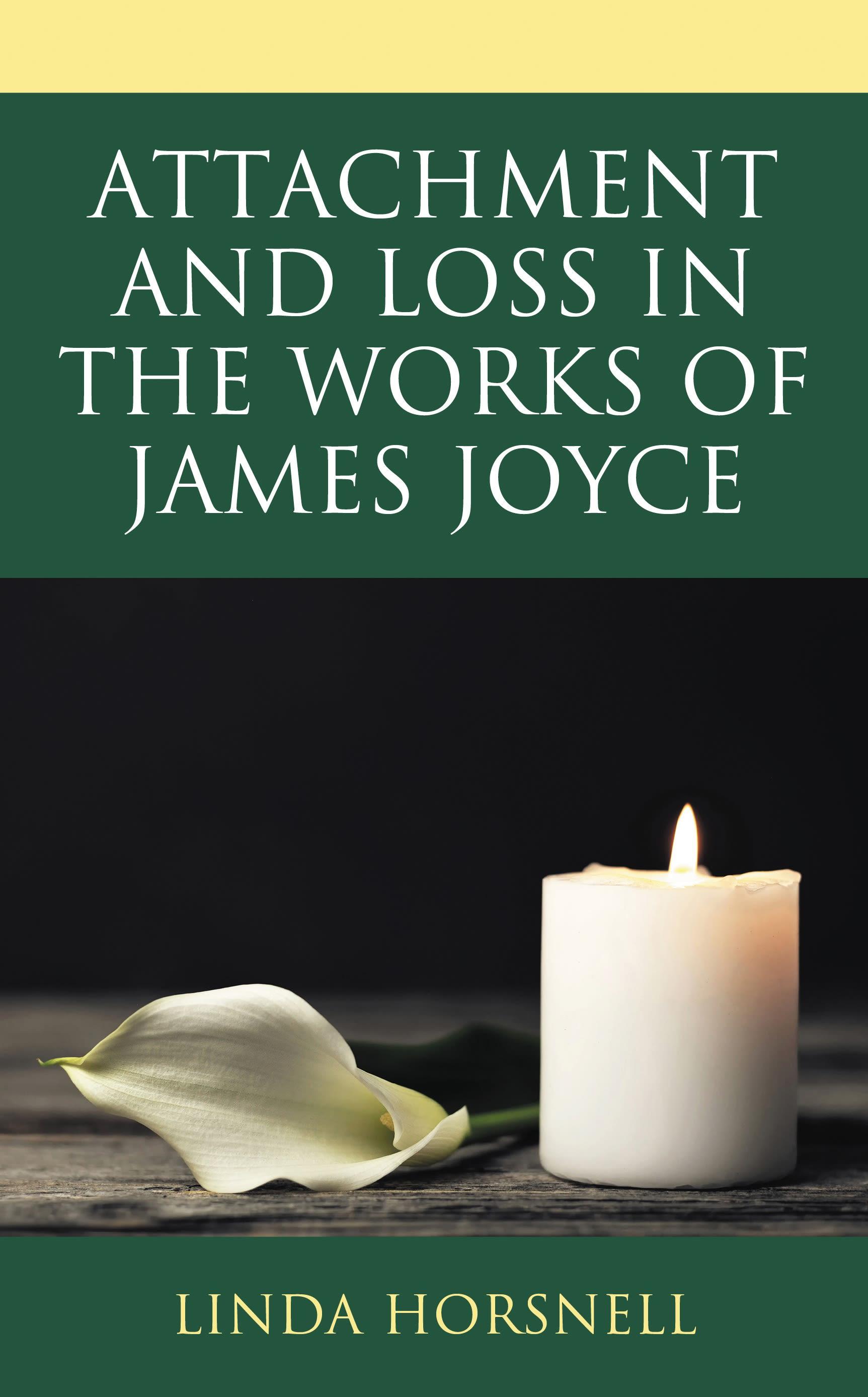
Using John Bowlby's Attachment Theory as a frame of reference, Attachment and Loss in the Works of James Joyce critically analyzes James Joyce's representation of grief. Based on cognitive, emotional and behavioral elements, Attachment Theory allows for new and innovative readings to emerge which differ from those offered by Freudian, Lacanian, and Jungian paradigms. Acknowledging the importance of the Theory of Mind and Reader Response, this book uses the concept of internal working models to elucidate how the childhood experiences with which Joyce has endowed his protagonists ultimately leads to how they respond to loss. The texts of Dubliners, Portrait of the Artist and Ulysses, show how central separation and loss were to Joyce’s work. It provides examples of such experiences in different age groups, under differing circumstances and at different stages in the grief process. Attachment Theory highlights the complexity of human relationships throughout the life cycle, not only how they can affect the grief process but how grief affects them.
Betaal eenvoudig met kaart, Klarna, Apple Pay of Google Pay. Niet tevreden? Je hebt altijd 14 dagen bedenktijd. Lees meer in onze voorwaarden. Heb je vragen, mail ons dan via hello@memmo.org.
Memmo maakt studeren makkelijker – waar je ook bent ter wereld. Wij brengen je cursusboeken en slimme studietools samen op één plek: samenvattingen, quizzen, podcasts en flashcards. En Ted, je studievriend die antwoord geeft op alles wat je je afvraagt. Meer dan 50.000 studenten studeren hier al – gebouwd om je sneller te laten leren en minder stress te geven.