
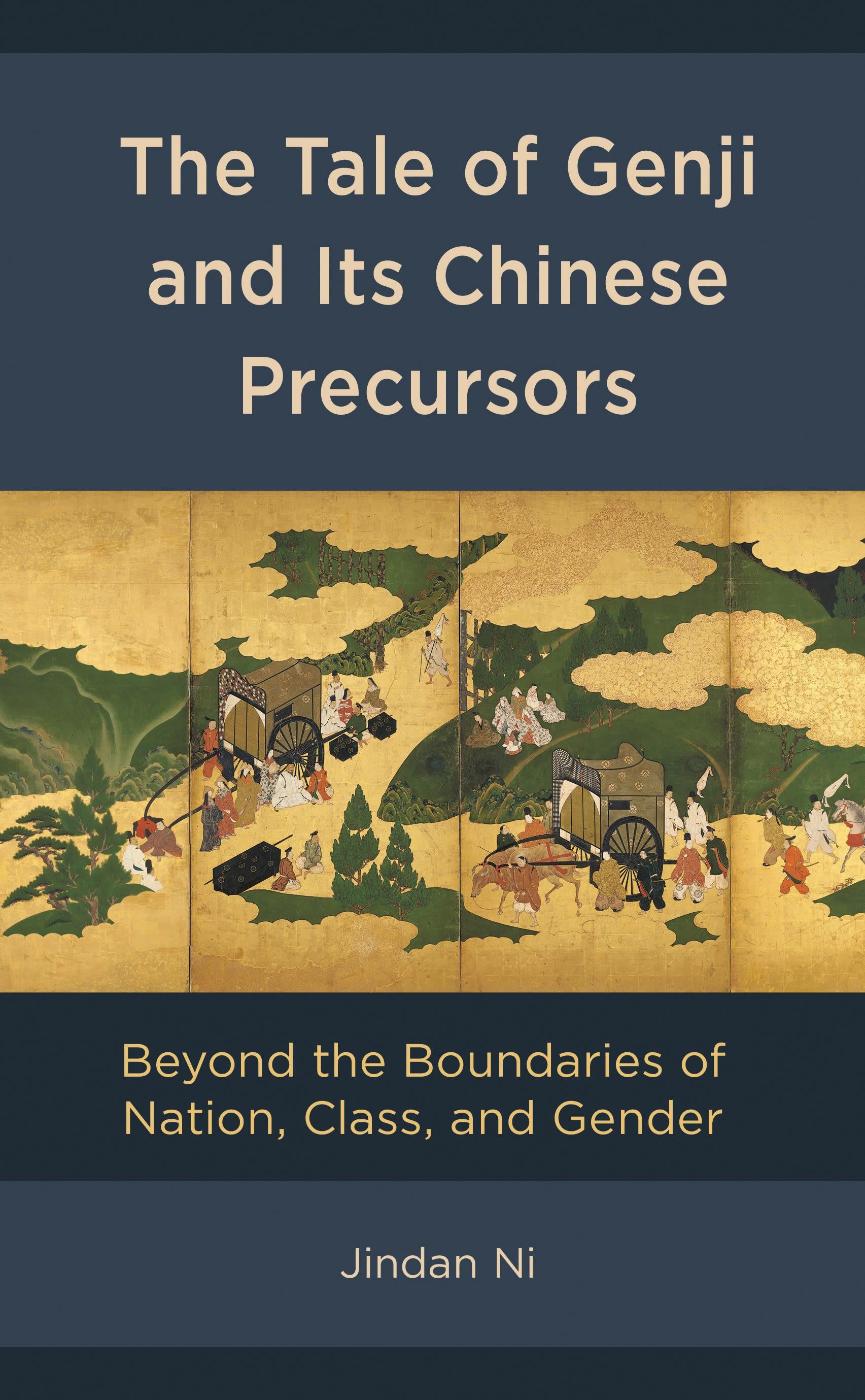
In The Tale of Genji and Its Chinese Precursors: Beyond the Boundaries of Nation, Class, and Gender, Jindan Ni departs from a “nativist” tradition which views The Tale of Genji as epitomizing an exclusively Japanese aesthetic distinct from Chinese influence and Buddhist values. Ni contests the traditional focus on Japanese essentialism by detailing the impact of Chinese literary forms and presenting the Japanese Heian Court as a site of dynamic and complex literary interchange. Combining close reading, the archival work of Japanese and Chinese scholars, and comparative literary theory, Ni argues that Murasaki Shikibu avoided the constraint of a single literary tradition by drawing on Chinese intertexts. Ni’s account reveals the heterogeneity that makes The Tale of Genji a masterpiece with enduring appeal.
Betaal eenvoudig met kaart, Klarna, Apple Pay of Google Pay. Niet tevreden? Je hebt altijd 14 dagen bedenktijd. Lees meer in onze voorwaarden. Heb je vragen, mail ons dan via hello@memmo.org.
Memmo maakt studeren makkelijker – waar je ook bent ter wereld. Wij brengen je cursusboeken en slimme studietools samen op één plek: samenvattingen, quizzen, podcasts en flashcards. En Ted, je studievriend die antwoord geeft op alles wat je je afvraagt. Meer dan 50.000 studenten studeren hier al – gebouwd om je sneller te laten leren en minder stress te geven.