
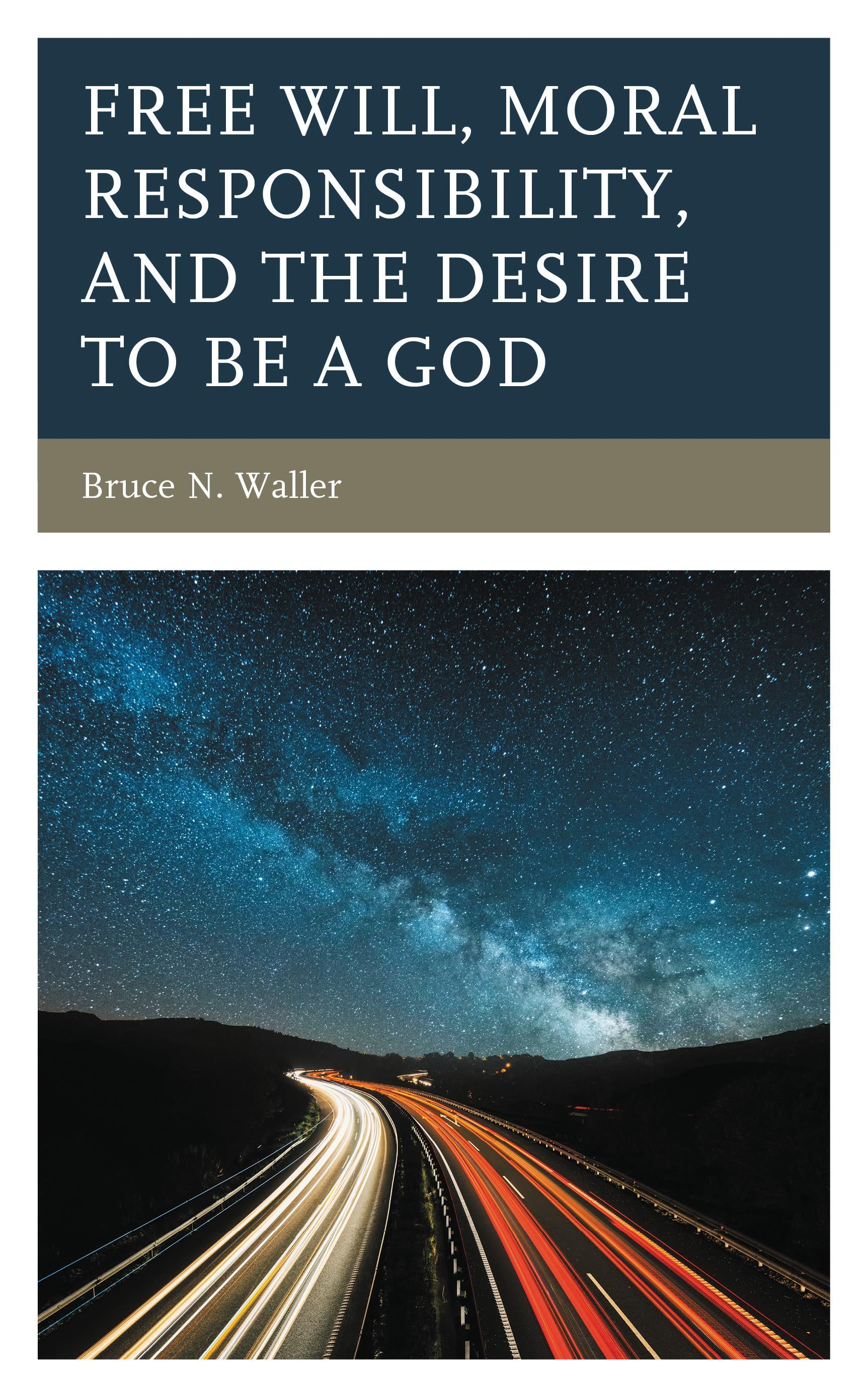
Free Will, Moral Responsibility, and the Desire to be a God explores the hidden corridors of the moral responsibility system to discover why that system is so widely accepted and passionately defended. The moral responsibility system has obvious charms: it provides justification for our powerful strike-back motives, transforms selfishness into the virtuous defense of our justly deserved special benefits, draws a radical distinction between humans and the other species we exploit, and protects our nonconscious belief in a just world. Those charms notwithstanding, the resilience and endurance of the moral responsibility system indicates a hidden force that not only binds together the pieces of the system but also motivates our stubborn devotion to that system. That hidden force is a nonconscious desire to be a god: a desire that afflicts both believers and atheists, and that is almost universally denied (Nietzsche being a special exception). That desire can be found throughout the history of philosophy, from Aristotle to the present. It is also manifested in myths and a variety of religious practices and teachings. The breadth, power and harm of nonconscious “apotheosis aspiration” is the focus of this study.
Betaal eenvoudig met kaart, Klarna, Apple Pay of Google Pay. Niet tevreden? Je hebt altijd 14 dagen bedenktijd. Lees meer in onze voorwaarden. Heb je vragen, mail ons dan via hello@memmo.org.
Memmo maakt studeren makkelijker – waar je ook bent ter wereld. Wij brengen je cursusboeken en slimme studietools samen op één plek: samenvattingen, quizzen, podcasts en flashcards. En Ted, je studievriend die antwoord geeft op alles wat je je afvraagt. Meer dan 50.000 studenten studeren hier al – gebouwd om je sneller te laten leren en minder stress te geven.