
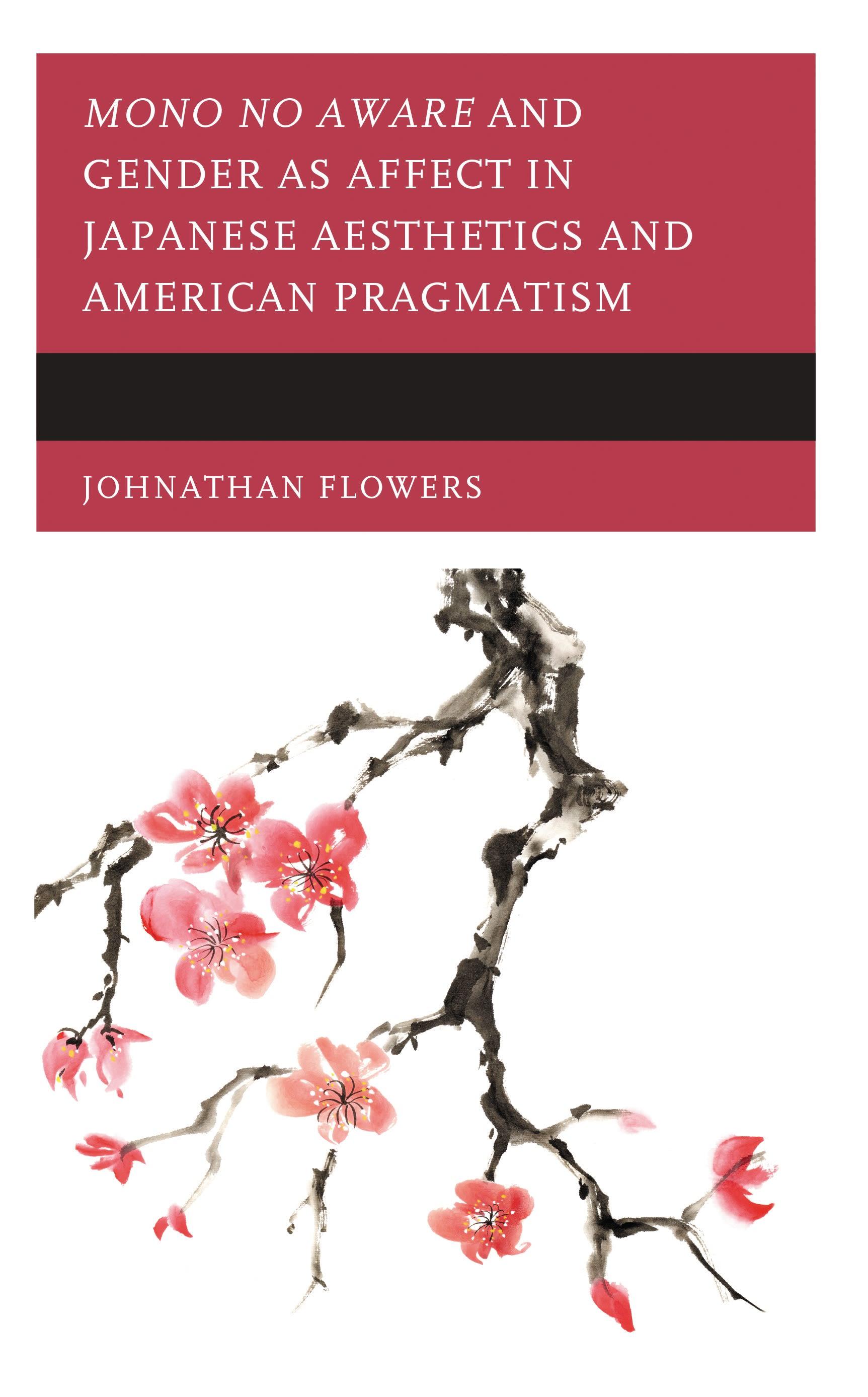
Mono no Aware and Gender as Affect in Japanese Aesthetics and American Pragmatism places the naturalistic pragmatism of John Dewey in conversation with Motoori Norinaga’s mono no aware, a Japanese aesthetic theory of experience, to examine gender as a felt experience of an aware, or an affective quality of persons. By treating gender as an affect, Johnathan Charles Flowers argues that the experience of gendering and being gendered is a result of the affective perception of the organization of the body in line with cultural aesthetics embodied in Deweyan habit or Japanese kata broadly understood as culturally mediated transactions with the world. On this view, how the felt sense of identity aligns with the affective organization of society determines the nature of the possible social transactions between individuals. As such, this book intervenes in questions of personhood broadly—and identity specifically—by treating personhood itself as an affective sense. In doing so, this book demonstrates how questions of personhood and identity are themselves affective judgments. By treating gender and other identities as aware, this book advocates an expanded recognition of the how to be in the world through cultivating new ways of perceiving the affective organization of persons.
Betaal eenvoudig met kaart, Klarna, Apple Pay of Google Pay. Niet tevreden? Je hebt altijd 14 dagen bedenktijd. Lees meer in onze voorwaarden. Heb je vragen, mail ons dan via hello@memmo.org.
Memmo maakt studeren makkelijker – waar je ook bent ter wereld. Wij brengen je cursusboeken en slimme studietools samen op één plek: samenvattingen, quizzen, podcasts en flashcards. En Ted, je studievriend die antwoord geeft op alles wat je je afvraagt. Meer dan 50.000 studenten studeren hier al – gebouwd om je sneller te laten leren en minder stress te geven.